
The people's voice of reason


The people's voice of reason
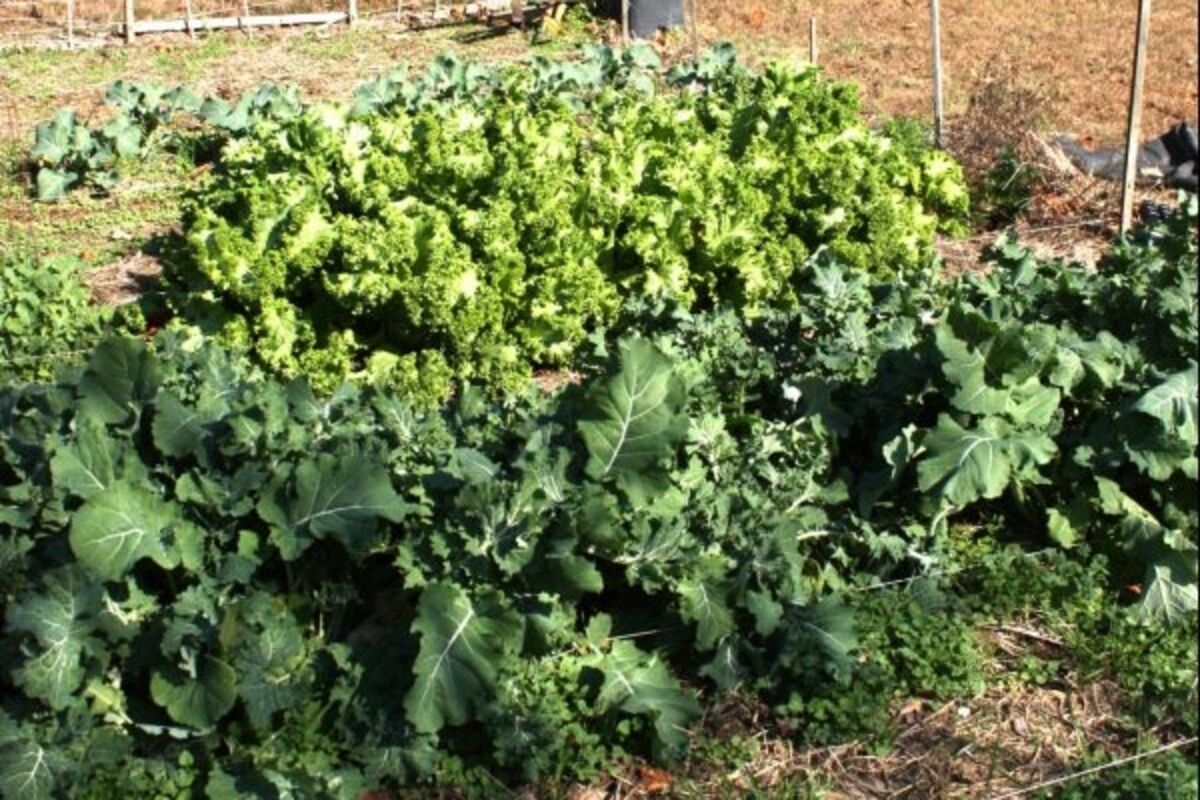
Basic fall garden
Gardening in Alabama in November: A Seasonal Guide to Success
As autumn deepens and the air turns crisp, Alabama gardeners find themselves in a transitional phase. November is not a time to retreat indoors-it's a month rich with opportunity. With its humid subtropical climate, Alabama offers a unique gardening rhythm that allows for continued planting, strategic maintenance, and preparation for the colder months ahead. Whether you're tending vegetables, ornamentals, or fruit trees, November is a pivotal time to nurture your garden's health and productivity.
Cool-Season Vegetable Planting
November is ideal for planting cool-season vegetables across Alabama's diverse regions-from the Appalachian foothills to the Gulf Coast. The soil retains warmth from fall, creating a hospitable environment for root development even as air temperatures drop.
Top vegetables to plant in November include:
• Lettuce: Thrives in cooler temperatures and can be harvested within weeks.
• Kale: Hardy and nutrient-rich, kale withstands frost and improves in flavor after a chill.
• Peas: Especially sugar snap and snow peas, which benefit from the mild climate.
• Kohlrabi and turnips: These root vegetables mature quickly and tolerate cold well.
Tip: Use row covers or cold frames to extend the growing season and protect young seedlings from unexpected frosts.
Trees, Shrubs, and Perennials
November is one of the best months to plant trees, shrubs, and vines in Alabama. Cooler temperatures reduce transplant shock, and fall rains help establish strong root systems before winter dormancy.
Recommended tasks:
• Plant deciduous trees and shrubs like dogwoods, maples, and azaleas.
• Mulch newly planted ornamentals to retain moisture and insulate roots.
• Prune dead or diseased branches to prevent winter damage and promote spring growth.
This is also a great time to divide and transplant perennials such as daylilies, hostas, and irises. Doing so now allows them to settle in before spring growth begins.
Lawn Care and Soil Testing
Alabama's lawns-especially fescue varieties-benefit from targeted care in November. The cooler weather reduces stress, and fall rains support nutrient absorption.
Key lawn tasks:
• Fertilize fescue lawns with slow-release nitrogen at a rate of 1 pound per 1,000 square feet.
• Monitor for fungal diseases, which can emerge with increased moisture.
• Conduct a soil test to determine pH and nutrient levels. This helps guide lime and fertilizer applications for the coming year.
Soil testing is especially important in Alabama, where clay-heavy soils can vary widely in acidity. Adjusting pH now ensures optimal conditions for spring planting.
Fruits and Nuts
While fruit trees may be dormant, November is a strategic time to prepare for next year's harvest.
Tasks to tackle:
• Mulch strawberries, blackberries, and grapes to protect roots from freezing temperatures.
• Select planting sites for new fruit trees, considering sun exposure and drainage.
• Prune dead wood from established trees to reduce disease risk.
If you're considering planting pecans, figs, or apples, November is a great time to prepare the soil and order bare-root stock for winter planting.
Bulbs, Roots, and Tubers
November is prime time for planting spring-flowering bulbs in Alabama. The cool soil encourages root development without triggering premature growth.
Bulbs to plant now:
• Daffodils
• Tulips
• Hyacinths
• Crocus
Tip: Plant bulbs at a depth of 2–3 times their height and choose well-drained soil to prevent rot. Adding bone meal or bulb fertilizer can boost spring blooms.
Indoor and Container Gardening
As outdoor temperatures drop, many Alabama gardeners shift focus to indoor and container gardening. Herbs like parsley, chives, and mint can thrive on sunny windowsills, while container-grown greens offer fresh harvests throughout winter.
Ideas for indoor gardening:
• Use grow lights for consistent light exposure.
• Choose compact varieties of lettuce and spinach for small spaces.
• Keep soil evenly moist and avoid drafts near windows.
Container gardening also allows flexibility-move pots indoors during cold snaps and back outside during warm spells.
Garden Maintenance and Planning
November is a time to reflect, clean, and prepare. Tidying up now reduces pest and disease pressure and sets the stage for a productive spring.
Maintenance checklist:
• Clean up fallen leaves and spent plants to prevent fungal growth.
• Sharpen and oil garden tools for winter storage.
• Drain and store hoses to prevent freezing.
• Update your garden journal with notes on successes, failures, and ideas for next year.
Planning ahead is key. Sketch out crop rotations, order seed catalogs, and consider expanding your garden beds or adding compost bins.
Regional Considerations
Alabama's geography-from the cooler north to the milder Gulf Coast-affects gardening strategies.
• North Alabama: Expect earlier frosts; prioritize frost protection and indoor starts.
• Central Alabama: Enjoy a longer planting window; cool-season crops thrive.
• Gulf Coast: Mild winters allow for extended vegetable planting and ornamental care.
Understanding your USDA hardiness zone (ranging from 7a to 9a in Alabama) helps tailor your gardening calendar.
Conclusion: November's Quiet Power
Gardening in Alabama in November is about strategic action and quiet preparation. While the landscape may seem subdued, the work done now-planting cool-season crops, mulching perennials, testing soil, and planning ahead-lays the foundation for a vibrant spring. With Alabama's generous climate and rich soil, November is not the end of the gardening year-it's the beginning of the next.











Reader Comments(0)