The people's voice of reason


The people's voice of reason
Sorted by date Results 1 - 25 of 196

What time of day is the sun most dangerous? UV exposure hour by hour Not all hours of sunlight carry equal risk. The angle of the sun relative to Earth's surface determines how much atmosphere UV rays must travel through before reaching the skin. Early morning and late afternoon sun travel a longer path through the atmosphere, with more atmospheric particles absorbing and scattering radiation. Midday sun travels nearly straight down through a much thinner atmospheric column, arriving with...

Aspirin vs. ibuprofen: Which should you take for a headache, fever, or muscle pain? When you're standing in the pharmacy aisle faced with rows of pain relievers, the choice between aspirin and ibuprofen can feel overwhelming. Both are trusted medications that have been helping people manage pain for decades, but they work differently in your body and are better suited for different situations. Understanding the key differences between these two common over-the-counter medications can help you...

ADHD’s name has changed before. What could be next? Today, we know ADHD, or attention-deficit hyperactivity disorder, as the official name for the condition that causes symptoms like difficulty focusing, impulsivity, and paying attention. But before there was ADHD, there was attention-deficit disorder, or ADD. This was used from 1980 up until 1987, when it was renamed ADHD. And now, a new term is popping up: EDHD, or energy deficit hyperactivity disorder. EDHD isn’t an official medical dia...

Can brain fog actually be a sleep problem? Few things are more frustrating than sitting down to a familiar task and realizing the mind is no longer keeping up with what is going on. People call it brain fog, and growing concern about trouble thinking clearly has drawn closer attention from researchers. Researchers led by Yale School of Medicine examined more than 4.5 million American Academy of Neurology survey responses collected over 10 years and found that reports of serious trouble with...

What time of day is the sun most dangerous? UV exposure hour by hour Not all hours of sunlight carry equal risk. The angle of the sun relative to Earth's surface determines how much atmosphere UV rays must travel through before reaching the skin. Early morning and late afternoon sun travel a longer path through the atmosphere, with more atmospheric particles absorbing and scattering radiation. Midday sun travels nearly straight down through a much thinner atmospheric column, arriving with...

From sick care to self care: Why prevention is becoming the new health care model As health care costs rise and consumers take greater ownership of their well-being, prevention is emerging as a defining force in modern health. Shifting Attitudes Toward Health Care Interest in preventive health care is steadily increasing. Many Americans today find themselves without insurance or access to quality care, often due to rising health care costs, many people cannot afford to get sick. At the same time...

Survey: How health tracking is affecting Americans' sleep and mental health From step counts and sleep scores to protein intake and microplastic exposure, Americans have more access to personal health data than ever before. But when does healthy self-awareness become unhealthy self-monitoring? To understand what that access is actually doing, Naturepedic partnered with North Star Inbound to survey 2,009 adults across the U.S. about the metrics they track, how often they track them, and what...

Think you need 10,000 steps a day? Science says otherwise Granted, the 10,000-step goal is often recited as if it is gospel, but whether you're clocking up the miles on your commute to work or walking around in circles in the kitchen last thing at night, the truth of the matter is, you might already be walking enough. For the record, hitting a daily step count is now one of the world's most popular wellness habits, and for good reason, too. As one of the simplest and most inexpensive ways to...

7 tips for a healthy back-to-school season As the school year begins, your family is likely getting supplies ready and adjusting to a new routine after summer break. Whether your child attends elementary, middle, or high school, it’s natural for them to feel both excited and nervous at the same time. And keeping them happy, healthy, and safe is likely your top priority. GoodRx, a platform for medication savings, put together a few simple pharmacist tips to help your family achieve these goals. F...
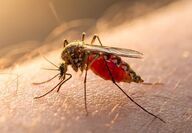
Why do mosquito bites itch? The science and how to stop it That familiar, maddening itch after a mosquito bite is one of summer's most annoying experiences. The science behind why mosquito bites itch involves a complex interaction between mosquito saliva and the human immune system. Understanding this process helps explain why some people react more severely than others and what actually works to stop the itching. West Nile virus cases increased by 28% in 2025, and 2,396 cases of dengue fever...

Once-a-week insulin is a game-changer: Here’s how to use it effectively Regular insulin injections can be an essential part of managing Type 2 diabetes. But many people find daily injections to be bothersome or inconvenient. That’s where once-a-week insulin can help. While weekly insulin is still a relatively new technology, the development of these medications is an expanding area of diabetes research. In March 2026, Awiqli (insulin icodec-abae) became the first insulin to be FDA-approved for...

The hidden health risks lurking inside overcrowded homes For multigenerational families and roommates navigating escalating housing costs, consolidating into a single shared home is increasingly a financial necessity. But pushing a property's capacity past its intended structural limits introduces severe, often overlooked physical hazards. Rather than just a loss of privacy, occupying a home beyond its design capacity triggers a chain reaction of medical vulnerabilities—such as a spike in airbor...
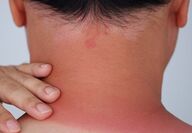
Sunburn relief: Dermatologist-approved methods that actually work That painful red glow after a day outdoors is more than just discomfort. It signals real cellular damage happening beneath the skin's surface. The good news is that dermatologist-approved treatments can significantly reduce pain, speed healing, and prevent long-term damage when applied correctly. Many people reach for whatever lotion is nearby, but not all products help, and some can actually worsen the burn. Understanding the...
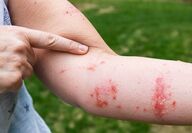
6 ways to get rid of poison ivy rash symptoms fast For many people, warm weather brings more time outside. But it can also bring itchy skin from bug bites, allergies, and poison ivy. Poison ivy rash can be very uncomfortable, especially if it covers a large area of your body. And it can take weeks to go away completely. Unfortunately, there’s no way to get rid of a poison ivy rash immediately — but there are things you can do to help relieve the itch. GoodRx, a platform for medication sav...

Soft tissue damage after an accident could be permanent and may be eligible for a personal injury claim Most people think of soft tissue injuries as minor inconveniences causing temporary aches, quickly healed by time and an ice pack. However, soft tissue damage after an accident can be permanent depending on the severity of the injury, its location, and the effectiveness of the medical care. Bayuk Pratt broke down the symptoms and long-term impacts of soft tissue damage and the legal options...

More than 74,000 older adults seek measles immunity tests amid US outbreaks Measles was surging in West Texas as Nancy Churnin eagerly awaited the birth of two grandchildren. She was sure she had been vaccinated decades ago, but she wanted to confirm she was still protected. She didn’t want to risk spreading the highly contagious disease to vulnerable newborns, so she got a simple blood test last year. “I wanted to double-check my immunity,” said Churnin, a children’s book author who lives i...

AI is now very good at diagnosing health problems, but doctors are still better at weighing treatment options A father is worried about his toddler, who has been running a fever for two days and pulling at one ear. A 65-year-old woman has been getting winded on her morning walks and feeling more fatigued than usual. Both reach for their phones and type their symptoms into an AI chatbot. “Your child likely has an ear infection,” the father learns. “Your symptoms could indicate a cardiac condi...

Postpartum nutrition: What your body needs for healing, hormones and milk production The early postpartum period—often called the fourth trimester—is a time of major transition. While you’re getting to know your baby and settling into a new rhythm, your body is also doing significant work behind-the-scenes. You’re healing from pregnancy and birth. Your hormones are shifting quickly. If you’re breastfeeding, your body is producing milk day and night. And if your energy, appetite and routine f...
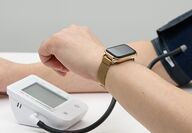
What to do after getting a hypertension alert from your smartwatch For years, smartwatches have helped us monitor our health. From tracking how many steps we take each day to measuring our heart rate, our watches have helped us stay healthy. More recently, many smartwatches can measure our blood pressure, letting the user take a reading as and when they need to. But now, thanks to FDA approval, users can receive a notification if their smartwatch detects signs of hypertension. This guide from...

Pharmaceutical marketplaces: How online platforms are changing drug purchasing Pharmacies have spent the better part of a decade absorbing pressure that other industries felt only briefly during the COVID-19 pandemic, and the people inside each pharmacy responsible for ordering medications and tracking inventory have felt it most. Their daily work of finding the right drug at the right cost has gotten harder as prices move week to week and reimbursement from pharmacy benefit managers keeps...

Are people with ADHD more likely to have car accidents? Driving is full of distractions, from cellphones to other drivers on the road. But for adults and teens dealing with symptoms of ADHD, like inattention and impulsivity, those disruptions can make driving especially risky. On average, adult drivers with ADHD in one study got into a crash every two years, and people with severe ADHD symptoms averaged one accident a year. A large study in JAMA Pediatrics found that teen and young adult...

How can you get help paying for your medications? Even with insurance, out-of-pocket costs for prescription medications can be surprisingly high. GoodRx research found that more than half of Americans have trouble paying for prescription medications, and nearly a third aren’t filling their prescriptions due to high costs. So how can you get help paying for your medications? Talking to your prescriber about more affordable options is a good first step. But there are many other ways to keep y...

5 clinician-backed techniques for managing stress and panic attacks Sometimes anxiety, depression, sleep problems, panic, and stress overtake people and cause them to struggle. Learning to cope is critical before these negative feelings become disruptive. Uncontrolled and unmanaged stress and anxiety also can contribute to health problems and upend the ability to consistently work, live life, and sustain meaningful relationships. But making it a priority to learn to cope safely can help....
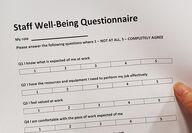
Mental health assessments: What employers should look for to secure the best outcomes An employee finally decides to ask for help. Maybe their work has slowed. Maybe they have been missing sleep. Maybe they have been holding it together for months and can feel that changing. For an HR or benefits leader, that moment matters. The first experience an employee has with a mental health benefit can determine whether they get routed to the right care, wait too long, disengage, or start over later....

6 summer supplements to heat-proof your health Ah, summertime: longer days, warmer nights, vacations and more time soaking up the sun. For many, it's an absolute dream, especially after months of gray days and freezing temps. But the reality is that the same things you love most about summer can have a not-so-great impact on your health if you don't plan for them. One of those things is the heat, which comes with increased sweat and the greater need for electrolytes to maintain balance. Also,...