
The people's voice of reason


The people's voice of reason
Sorted by date Results 26 - 50 of 196

How artificial intelligence is changing the mental health space What if your next therapy appointment involved opening an app instead of talking to another human? From chatbots that lend an ear at 2 a.m. to smart platforms that track emotional patterns over time, artificial intelligence is reshaping how people access and experience mental health care. AI technology aims to help create machines that can do tasks that require human intelligence and problem-solving. You’ve likely already seen h...
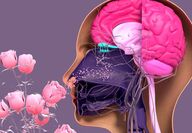
When the ability to smell goes away About 14 years ago, Chrissi Kelly lost her sense of smell. She had traveled to the Czech Republic to visit family and caught some virus. Months later, when she still couldn’t smell, she made the rounds to doctors, including her general practitioner and an ear, nose and throat specialist, trying to find answers. She was diagnosed with anosmia (complete smell loss), and, like many patients with her condition, was told she’d have to learn to live with it. But...

A guide to medication formularies: Understanding your prescription coverage When you’re comparing health plans, knowing which medications are covered, how they’re covered, and how much they’ll cost can save you a lot of frustration and money. That’s why a health plan’s formulary is important. It’s an essential component of an insurance plan. You should review it to confirm that the coverage fits both your prescription medication needs and your budget. Below, GoodRx, a platform for medication...

5 foods that can help you manage GLP-1 side effects Glucagonlike peptide-1 (GLP-1) agonist medications can help treat several medical conditions and improve heart and kidney health. There are several FDA-approved GLP-1 agonists, including: - Semaglutide (Ozempic, Wegovy, Rybelsus) - Liraglutide (Victoza, Saxenda) - Dulaglutide (Trulicity) - Tirzepatide (Mounjaro, Zepbound) - Orforglipron (Foundayo) - Exenatide (Byetta, Bydureon BCise) But, like any medication, GLP-1s may cause side effects. You...

Sunspots vs. freckles: How to tell them apart Those little brown marks on the skin confuse many people. Both involve excess pigment in the skin, but they arise from different causes and behave differently. Freckles often bring back memories of summer days as a kid, while sunspots can signal that the skin has been exposed to too much sun over the years. Knowing which is which helps people take better care of their skin and recognize when a spot warrants medical attention. Doctronic explains how t...

Summer is officially here, and with it comes longer days, outdoor gatherings, and the kind of warmth that draws people outside. But as temperatures climb, so do the risks to our health. Whether you're a seasoned adult managing chronic conditions or simply someone who loves a backyard barbecue, understanding how heat affects the body can be the difference between a great summer and a dangerous one. The human body is remarkably good at regulating its own temperature, but only up to a point. When...

Alpha-gal syndrome red meat allergy from ticks Alpha-gal syndrome represents one of the most unusual allergic conditions in modern medicine. A tick bite that fundamentally changes how your immune system responds to red meat, creating delayed allergic reactions that can range from mild hives to life-threatening anaphylaxis. This tick-borne condition has emerged as a growing health concern across the southeastern United States, where outdoor enthusiasts, hunters, and hikers face increased risk of...

How to tell if a wellness trend is actually backed by science The wellness industry now generates more than $6.8 trillion globally, according to the Global Wellness Institute, and much of its influence moves through social feeds before it ever reaches a doctor's office. A Pew Research Center survey conducted in October 2025 found that half of U.S. adults under 50 get health and wellness information from influencers or podcasters, while fewer than 1 in 5 of those creators are conventional...

GLP-1 and your plate: Powering up with nutrient-dense foods For many people taking GLP-1 receptor agonist medications to shed excess weight, managing appetite, and getting optimal nutrition can feel like a balancing act. GLP-1s work by signaling fullness to the brain, slowing digestion, promoting early satiety, and reducing overall caloric intake. This makes nutrient-rich food choices more important than ever, especially given the 587% spike in GLP-1 prescriptions in recent years among people...

AI and mental health: Tool, trend, or the future of therapy? Artificial intelligence (AI) is emerging as a potential tool to improve access and quality of mental healthcare. The demand for accessible and affordable mental healthcare is higher than ever. Researchers estimate that about 1 in 5 adults in the U.S. and Canada has a mental health problem, but less than half have access to appropriate treatment. AI mental health tools may help people get quick access to care, reduce costs, and...

GLP-1s are finally silencing food noise for some binge eaters, and fueling disordered eating in others Chris Owens says he knew what healthy eating looked like in theory, but it felt like food noise had “hijacked” his brain. “I wasn’t free to make those choices,” he explains. “I don’t know that the food noise was ever quiet enough to where I could actually experience real physical hunger. I just always wanted food.” Owens, now 52, began regularly bingeing in 2008; by 2012, he was bingeing ev...

New data suggests hormones play a bigger role in men's mental health than thought For years, the conversation around men’s declining mental health has focused on loneliness, social isolation, economic stress, and the stigma against seeking help. While those are all important factors, new data from Hone Health suggests another potential factor: hormones. An analysis of 3,239 men with low testosterone found that 83% of those who entered treatment with moderate depression symptoms experienced a c...

HUNTSVILLE, Ala. (JUNE 16, 2026) – Can newly identified antiviral compounds help stop some of the most dangerous mosquito-borne viruses that attack the brain? A research team led by scientists at The University of Alabama in Huntsville (UAH), a part of The University of Alabama System, has generated a new class of antiviral compounds that show strong therapeutic potential against Venezuelan equine encephalitis virus (VEEV), considered the most dangerous neurotropic alphavirus known to infect h...

Famous neon signs of blues clubs on Beale street in downtown Nashville Photo Spirit // Shutterstock States with the shortest lifespans According to a report from the Centers for Disease Control and Prevention released in January 2026, American life expectancy has reached an all-time high. The average lifespan across the entire population in 2024 was 79 years, an increase of 0.6 years from 2023 and surpassing the pre-COVID-19 pandemic level of 78.8 years in 2019. However, those numbers don't...

As we enter the summer months, the excitement of outdoor activities calls us to embrace the sun's warmth, whether at the beach, lake, mountains, or even our own backyard. While soaking up the sun can feel invigorating and is essential for Vitamin D production, it is crucial to remember the potential dangers of excessive sun exposure. Sun rays, particularly ultraviolet (UV) radiation, can lead to short-term effects like sunburns and sun poisoning, as well as long-term damage, including sunspots,...

The best skin care routine for acne-prone skin As anyone who has experienced acne will know, nailing skin care for acne-prone skin can be hard, since ingredients, and how they are used, can make a huge difference to how skin looks and feels. But it's not just the delicate skin on faces that require special care - more than half of people with acne are conscious of it on their back, with around 15% experiencing acne around the chest area too. Glowing, clear skin from top to toe needn't be out of...

Many babies sickened in ByHeart formula botulism outbreak needed more treatment after hospitalization Most of the babies hospitalized in a recent nationwide outbreak of infant botulism linked to ByHeart baby formula have needed additional physical therapy and other medical support after going home, according to new data shared April 24. “Although many infants are now progressing in their recovery, evaluating their outcomes is essential to understanding the progression and severity of illness o...

Why social anxiety is rising among remote-first workers Recent figures from the Bureau of Labor Statistics indicate that nearly a quarter (22.9%) of the workforce has traded the traditional office for a remote setup. While those already embedded in this lifestyle overwhelmingly favor it—with 98% in the 2023 Buffer report suggesting it to others—the data is beginning to tell a more complex story. Specifically, the remote-first shift is revealing a quiet but growing struggle with social anx...

Stress sweating vs. heat sweating Picture this: Eighty thousand fans in a stadium are on their feet and holding their breath, anticipating a penalty kick that could decide everything. In that suspended moment, players and supporters alike feel that familiar prickle of sweat that has nothing to do with the afternoon sun. That's anxiety sweating, and it's completely different from the sweat people break during a workout or a hot summer commute. Aside from being interesting science, understanding...

How ADHD affects health by middle age Living with ADHD as an adult can mean years of working overtime to keep up with everyone else. Because of challenges with executive function and focus, you might struggle with ADHD burnout, staying connected with friends, and parenting or caregiving responsibilities. By the time you land in middle age — between ages 40 and 65 — the stress can take a real toll on your mental well-being and physical health. That’s the takeaway from new research out of the U...

Barriers to mental health care look different across your workforce Employers may offer benefits. Leaders may say the right things. But when someone actually needs care, the real barriers to mental health tend to be practical: - It takes too long to find care - It costs too much - It’s not safe or private - It’s hard to know where to start And those barriers are not the same for everyone. As part of research for its 2026 Workplace Mental Health Annual Report, Spring Health surveyed 1,500+ ful...

A deadly bacteria is creeping up the Atlantic Coast. How worried should you be? Bailey Magers and Sunil Kumar cut strange figures on Pensacola Beach. Bags of disinfectant solution surrounded them on the white sand; their gloved hands juggled test tubes while layers of rubber and plastic shielded their skin from the elements. As the two organized their seawater samples on the popular Florida shoreline last August, an older woman wearing a swimsuit walked over to ask what they were doing. "We're...

How does a medical expense reimbursement plan work with fully insured health plans? Rising healthcare costs are a challenge for both employers and employees. In 2023 alone, total healthcare spending reached $4.9 trillion in the United States. While a fully insured health plan can offer comprehensive coverage, it doesn’t provide a means to navigate the increasing costs. Employers are also often at the mercy of insurers’ premium prices. Partnering a fully insured health plan with a medical exp...
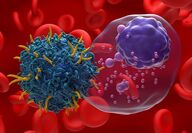
A revolutionary cancer treatment could transform autoimmune disease At age 49, Jan Janisch-Hanzlik’s multiple sclerosis was destroying her freedom to live the life she wanted. She gave up her active nursing job for a desk role. Frequent falls made her afraid to carry her grandchildren. She had to move to a bigger house to make room for the wheelchair she feared she might end up needing full-time. Even the best available medication wasn’t improving Janisch-Hanzlik’s symptoms, and she worri...

Signs of depression in men: Why it often goes unrecognized Depression does not look the same for everyone. For millions of men, the signs go unrecognized because they show up in unexpected ways. Instead of crying or expressing sadness, men might become angry, withdrawn, or reckless. These behaviors get labeled as personality flaws or stress reactions rather than symptoms of a serious mental health condition. Around 10% of U.S. adults experience depression or are being treated for it. Yet men rem...