
The people's voice of reason


The people's voice of reason
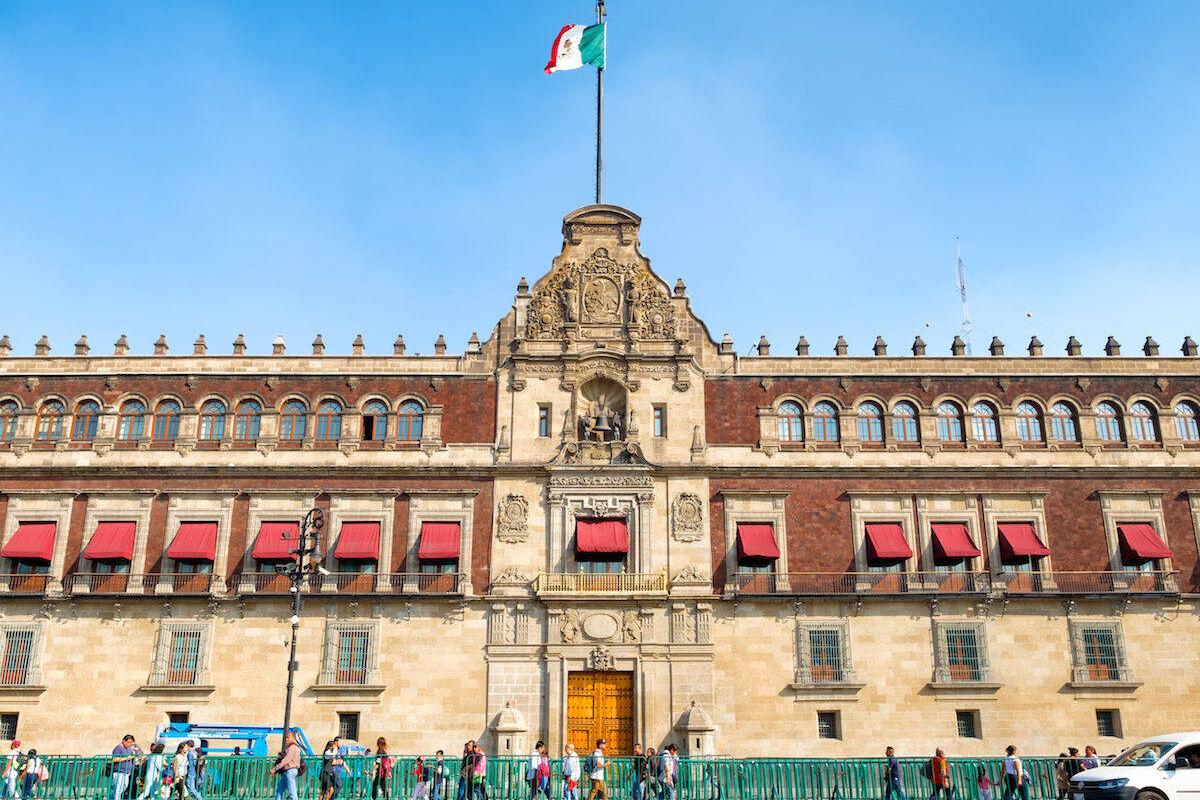
The Mexican Presidential Palace
November 15, 2025 - MEXICO CITY erupted in one of the most significant anti-government demonstrations in recent years, as thousands of protesters-many from Generation Z-clashed with riot police outside the National Palace. What began as a peaceful march against corruption and cartel violence quickly devolved into chaos, leaving over 100 police officers injured and dozens of civilians hospitalized.
A Youth-Led Movement Fueled by Outrage
The protest was organized primarily by Gen Z activists, a demographic increasingly vocal across the globe about issues of inequality, democratic erosion, and systemic corruption. In Mexico, their grievances are deeply rooted in the country's ongoing struggle with cartel violence and impunity for political crimes.
Marchers began their route at the Angel of Independence monument, winding through major avenues before converging on Zócalo Square, the symbolic heart of Mexico's capital and home to the National Palace. Demonstrators carried Mexican flags and pirate skull banners-now a global symbol of Gen Z resistance-and chanted slogans demanding justice and security.
"We need more security," said Andres Massa, a 29-year-old business consultant. "Doctors, teachers, and ordinary citizens are being murdered, and nothing happens".
The Catalyst: The Assassination of Carlos Manzo
The protest was galvanized by the recent assassination of Carlos Manzo, the mayor of Uruapan in Michoacán, who was shot seven times at a public Day of the Dead event earlier this month. Manzo had gained national attention for his outspoken stance against drug cartels and his criticism of President Claudia Sheinbaum's handling of organized crime.
"He was killed because he had the guts to confront them," said Rosa Maria Avila, a 65-year-old protester from Patzcuaro. "The state is dying".
Manzo's death struck a nerve across generational lines. While the protest was spearheaded by youth, older citizens and opposition party supporters joined in solidarity, many wearing the straw hats that symbolized Manzo's political movement.
Violence at the Palace Gates
As the crowd reached Zócalo Square, tensions escalated. Masked protesters tore down metal barricades surrounding the National Palace, prompting riot police to respond with tear gas, smoke bombs, and physical force. Protesters hurled stones, fireworks, and even chains at officers, dragging some from formation and beating them with makeshift weapons.
Mexico City's security secretary, Pablo Vázquez, reported that at least 120 people were injured, including 100 police officers-40 of whom required hospitalization. Twenty civilians were also treated by emergency services.
Footage from the scene showed chaotic confrontations, with police chasing demonstrators through the square and forcibly dispersing the crowd. Emergency medical personnel, including doctors who had joined the march, assisted the wounded on-site.
Political Fallout and Accusations
President Claudia Sheinbaum, who took office in October 2024 as Mexico's first female president, has faced mounting criticism over her administration's response to cartel violence. Despite maintaining high approval ratings, Sheinbaum has been accused of tolerating organized crime and failing to protect anti-cartel officials like Manzo.
In the days leading up to the protest, Sheinbaum alleged that right-wing parties were attempting to infiltrate the Gen Z movement and artificially inflate attendance through social media bots. Some Gen Z influencers distanced themselves from the protest, while prominent figures like former President Vicente Fox and billionaire Ricardo Salinas Pliego publicly endorsed it.
Sheinbaum also drew controversy earlier this year when she rejected U.S. military assistance offered by President Donald Trump to combat drug trafficking. "Our territory is inalienable," she said. "We can collaborate, but we will never accept the presence of the United States Army on our territory".
A Broader Global Trend
Mexico's Gen Z-led protest is part of a growing international movement. In 2025 alone, similar youth-driven uprisings have taken place in Nepal, Madagascar, and other nations, often resulting in regime changes or resignations. In Nepal, a ban on social media led to mass protests and the resignation of Prime Minister KP Sharma Oli. In Madagascar, prolonged infrastructure failures sparked unrest that forced President Andry Rajoelina to flee the country.
In Mexico, the movement reflects a generational frustration with entrenched corruption, violence, and political impunity. While the November 15 protest ended in violence, it also marked a turning point in civic engagement, drawing attention to the urgent need for reform and accountability.
What Comes Next?
As Mexico grapples with the aftermath of the riots, questions loom about the government's next steps. Will Sheinbaum address the protesters' demands for security and justice? Will the assassination of Carlos Manzo become a rallying cry for broader anti-cartel action?
For now, the streets of Mexico City remain tense, and the voices of its youth-amplified by banners, chants, and viral footage-continue to echo across the nation.







Reader Comments(0)