
The people's voice of reason


The people's voice of reason
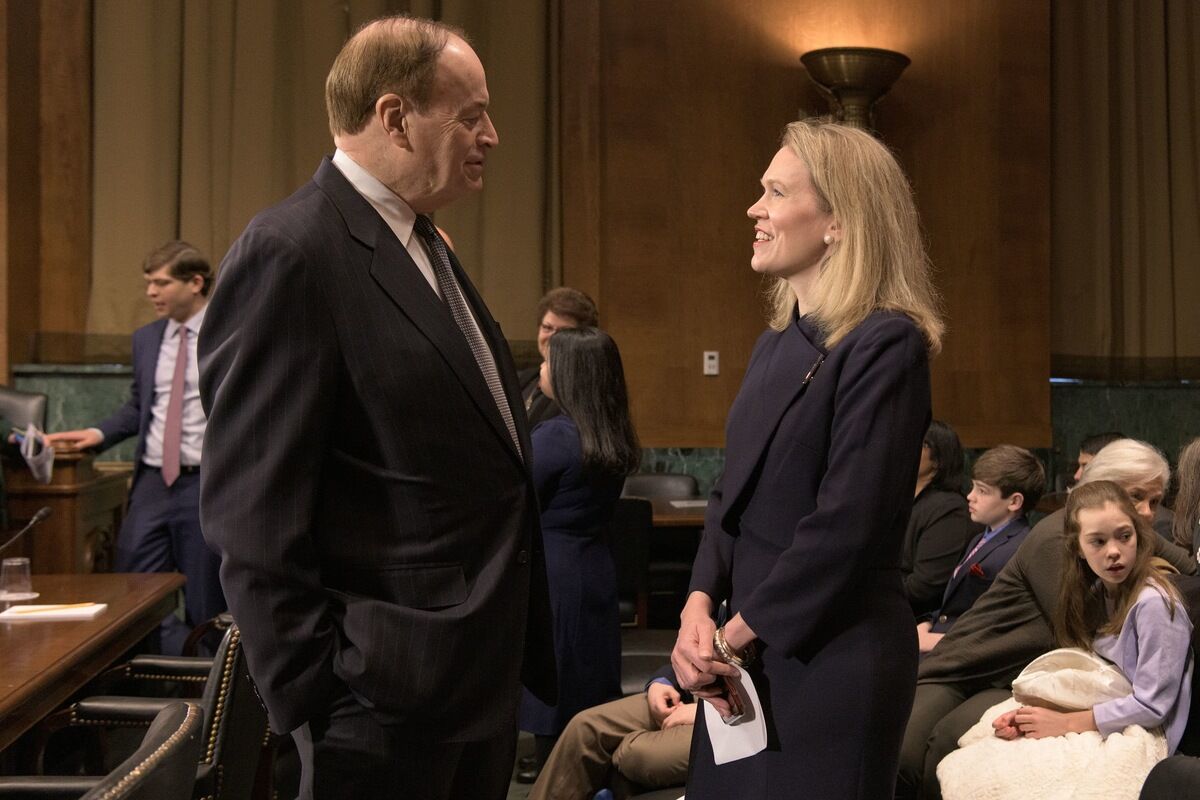
Senator Richard Shelby with Judge Anna Manasco during her confirmation hearings
MONTGOMERY - A federal court based in Birmingham has ordered Alabama to hold future state Senate elections using a new map drawn by a court-appointed special master, following a ruling that the previous districts violated the Voting Rights Act by diluting Black voting power in Montgomery.
In a landmark decision issued November 18, 2025, U.S. District Judge Anna Manasco ruled that Alabama must adopt a new state Senate map for the 2026 and 2030 elections. The ruling stems from a 2021 lawsuit alleging that the state's legislative boundaries "packed" Black voters into a single Montgomery district, limiting their influence in surrounding areas. The court found that the original map violated Section 2 of the Voting Rights Act, which prohibits racial discrimination in voting procedures.
Background of the Case
The lawsuit focused on Senate Districts 25 and 26, currently represented by Republican Sen. Will Barfoot and Democratic Sen. Kirk Hatcher, respectively. Plaintiffs argued that Black voters in Montgomery were unnecessarily concentrated in District 26, while white voters were "surgically extracted" into neighboring District 25, effectively muting Black electoral influence across the region.
Judge Manasco, a Trump appointee, agreed. In her August ruling, she ordered the creation of a second Montgomery-area district with a Black voting-age population of at least 50%, or close to it. The goal: to provide Black voters with a fair opportunity to elect candidates of their choice.
The New Map and Its Origins
The court selected one of three proposed maps submitted by Richard Allen, a court-appointed special master. The chosen plan "unpacks" District 26 by shifting some Black voters into District 25, creating what the judge called a "race-blind remedial map" that offers equal opportunity without guaranteeing outcomes.
In a surprising twist, the map was originally drawn by Daniel DiDonato, an 18-year-old freshman at the University of Alabama. DiDonato submitted six unsolicited maps using a free redistricting app, and one of his designs was ultimately adopted by the court. He said he did not use racial or partisan filters until after completing the maps, and described his involvement as "a dream come true".
⚖️ Reactions and Next Steps
Civil rights groups who filed the original lawsuit expressed concern that the new map may weaken Black voting power in District 26 while only modestly improving representation in District 25. In court filings, they noted that Black-preferred candidates win less than 50% of the time in District 26 under the new plan, compared to 89% in District 25.
Special master Allen acknowledged that the plan only "weakly remedies" the violation, but Judge Manasco concluded it was sufficient and minimally disruptive to existing district lines.
As of early December, no appeal had been filed, though state officials and plaintiffs may still challenge the ruling. If upheld, the new map will be used in the 2026 and 2030 state Senate elections, reshaping Montgomery's political landscape and potentially altering the balance of power in the legislature.
Local Impact
For Alabama voters, the ruling underscores the importance that the court places on race above communities of interest or the constitutional authority that the elected state Legislature is supposed to have over elections and districts. The move follows a similar setback for the state in congressional redistricting.
Brandon Moseley contributed to this report.





Reader Comments(0)