
The people's voice of reason


The people's voice of reason
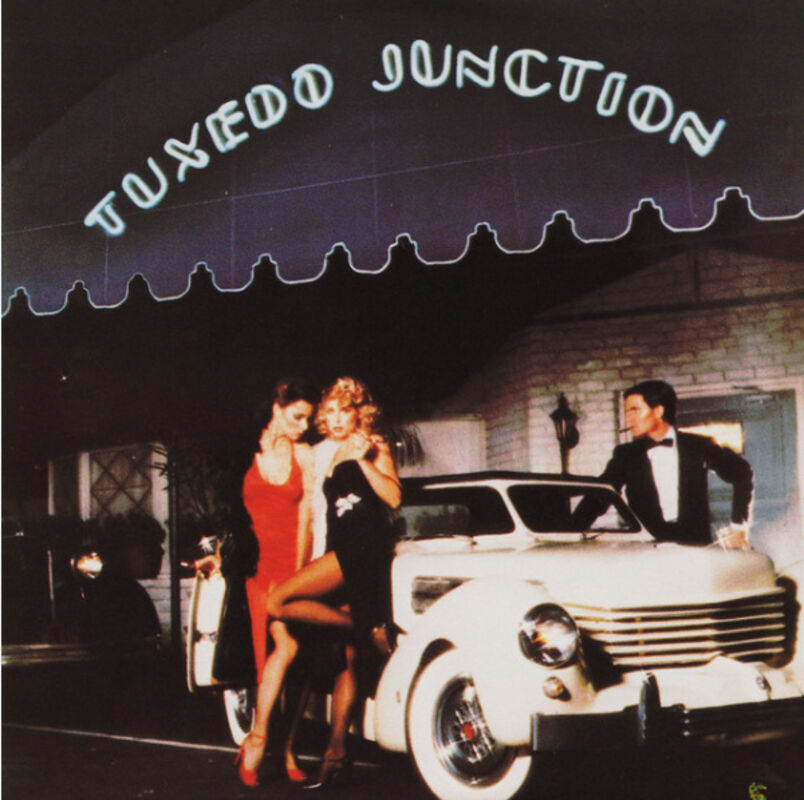
"Way down south in Birmingham, I mean south in Alabam', There's an old place where people go, To dance the night away." So go the lyrics to the 1940s Number One Hit, "Tuxedo Junction". A popular big band era song that was recorded by none other than the Glenn Miller Orchestra. And as the words to the song state, it is about none other than "Tuxedo Junction" in Sweet Home Alabama.
Originally composed by Erskine Hawkins, Bill Johnson, and Julian Dash, "Tuxedo Junction", is about a dance hall located at the crossing of the Wylam and Pratt City streetcar lines in Ensley during the 1930s and 1940s. A social hub for the African-American community at that time, the dress code for "Tuxedo Junction" required that the men wear tuxedos. According to Dr. Louis D. Rodabaugh, a professor of mathematics at The University of Alabama during the late 1930s who moonlighted as a jazz musician, the men would rent their tuxedos for the evening from the men's clothing store on the bottom floor and then dance the night away upstairs to the captivating music. Hence a follow up verse to the song which states that "It's a junction where the town folks meet, At each function in a tux they greet you".
A native of Birmingham, Alabama, Erskine Hawkins, was a trumpet player and big band leader who with his "'Bama State Collegians" big band became one of the house bands at the Savoy Ballroom in Harlem. Originally an instrumental piece, Erskine Hawkins' band would use "Tuxedo Junction" as their last song before the next big band would take the stage. For the sake of the record labels, the name of his big band was changed to "Erskine Hawkins and his Orchestra". When Erskine Hawskins was asked by the puzzled New Yorkers why he called his instrumental piece, "Tuxedo Junction", he stated that it was due to the junction being a whistle stop on the "chitlin' circuit". This inspired the Southern emphasis to the lyrics of the song written by the New York native, Buddy Fayne, as they state "They all drive or walk for miles, To get jive that southern style."
One of the hallmarks of Tuxedo Junction was that while it was a social hub for the African-American community in Ensley during a time when there was much division socially between African-Americans and Anglo-Saxon/Celtic Americans, the music was so good at Tuxedo Junction, that according to Dr. Louis D. Rodabaugh, even though they weren't allowed inside, the Anglo-Saxon/Celtic Americans would go to Tuxedo Junction, park their cars outside of the dance hall, and listen to Erskine Hawkins' lovely trumpet playing from outside. Swaying along to the songs as they stood by their cars and enjoyed the big band music coming from inside.
Now this memorable dance hall is the subject of the award-winning documentary, "Tuxedo Junction: The Almost Lost Story" which is being screened at the Virginia Samford Theatre on Sunday, January 18th, 2026 at two o'clock in the afternoon. The screening of the documentary will feature the producers of the film, Katie Rogers and Brandon McCay, in a question and answer session after the viewing. As well as a book signing by Burgin Mathews who has written a book about "Tuxedo Junction". Live jazz by Jose Carr and Bo Berry and friends will also be featured in the courtyard, afterwards. The running time for the documentary is 52 minutes.
The event is sponsored by the Birmingham Historical Society and includes free admission. However, for those who wish to preregister for the event, tickets are available ahead of time via Eventbrite at Birmingham Historical Society presents Tuxedo Junction documentary Tickets, Sun, Jan 18, 2026 at 2:00 PM | Eventbrite.
Luisa Reyes is a Tuscaloosa attorney, piano instructor, and vocalisg.





Reader Comments(0)