
The people's voice of reason


The people's voice of reason
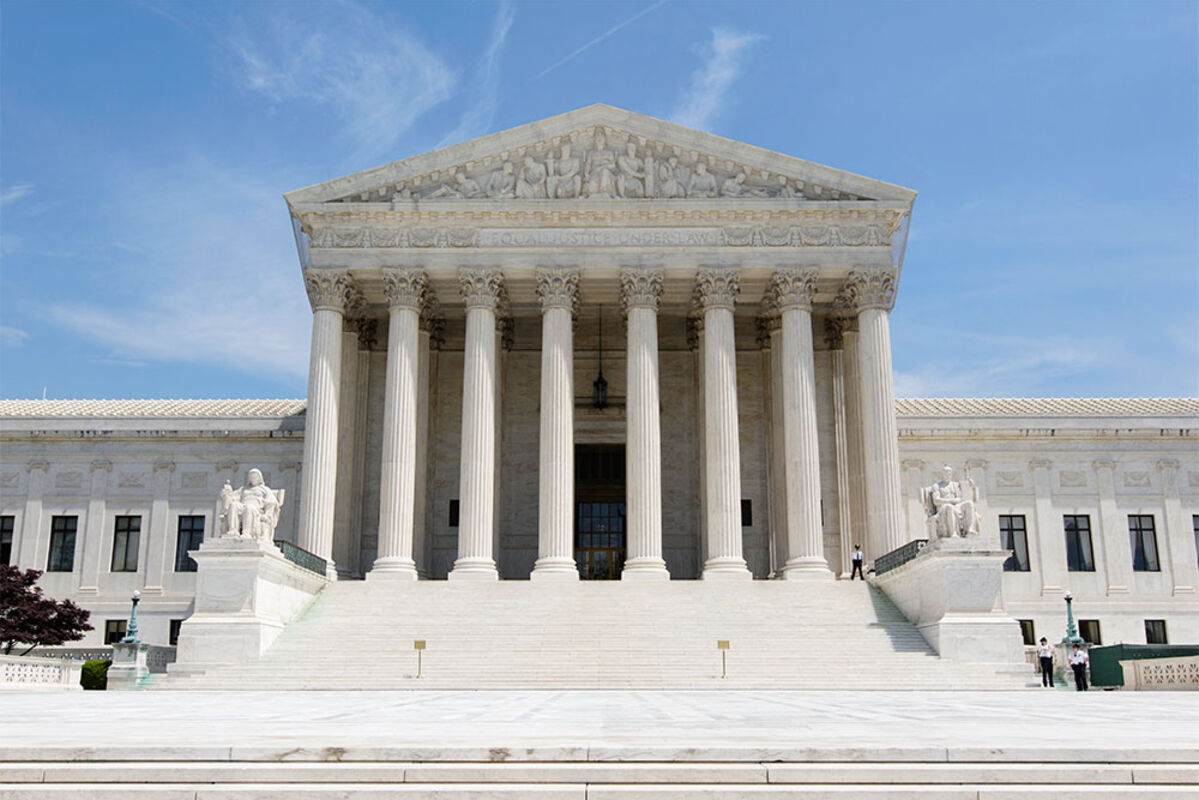
U.S. Supreme Court Building
January 9, 2026 - MONTGOMERY - Alabama Attorney General Steve Marshall is celebrating a recent U.S. Supreme Court order that vacated a lower-court ruling against religious protections for the Amish community in New York, calling the decision a win for parental rights and religious freedom.
The case centered on New York's 2019 repeal of religious exemptions to school vaccine mandates, a move that imposed steep financial penalties on Amish-only private schools that declined to comply. Alabama led a 21-state amicus brief supporting the Amish families, arguing that the state's actions violated the First Amendment rights of parents to raise their children according to their faith.
"This ruling vacates a bad decision and confirms we were right to take action," said Attorney General Marshall. "Alabama joined this legal battle to stop New York's hostility toward religion from becoming entrenched in federal law. While the Supreme Court did not conclusively resolve the issue of religious objections to vaccines, this victory signals to courts that they must respect the religious rights of parents. No family should be forced to choose between raising their children in their faith and accessing a basic education."
The Supreme Court's order does not settle the broader legal debate over vaccine mandates and religious exemptions, but it does erase a precedent that critics feared could undermine religious liberty nationwide.
The multistate brief, filed in September 2025, emphasized that the Free Exercise Clause of the First Amendment protects individuals from government coercion that violates their religious convictions. The coalition of states argued that New York's law was not "neutral and generally applicable" because it allowed certain exemptions but excluded religious ones - a legal standard that has drawn scrutiny in recent religious liberty cases.
Marshall's office also led a similar 20-state coalition brief in May 2024 before the Second Circuit Court of Appeals, reinforcing Alabama's role as a national advocate for religious freedom in education.
The case has drawn attention from legal scholars and faith-based organizations, many of whom view the Supreme Court's action as a signal that lower courts must more carefully weigh religious objections in public health policy.
For Alabama families, Marshall said the ruling reinforces a core principle: "Parents should never be forced to choose between their faith and their children's education."
.


Reader Comments(0)