
The people's voice of reason


The people's voice of reason
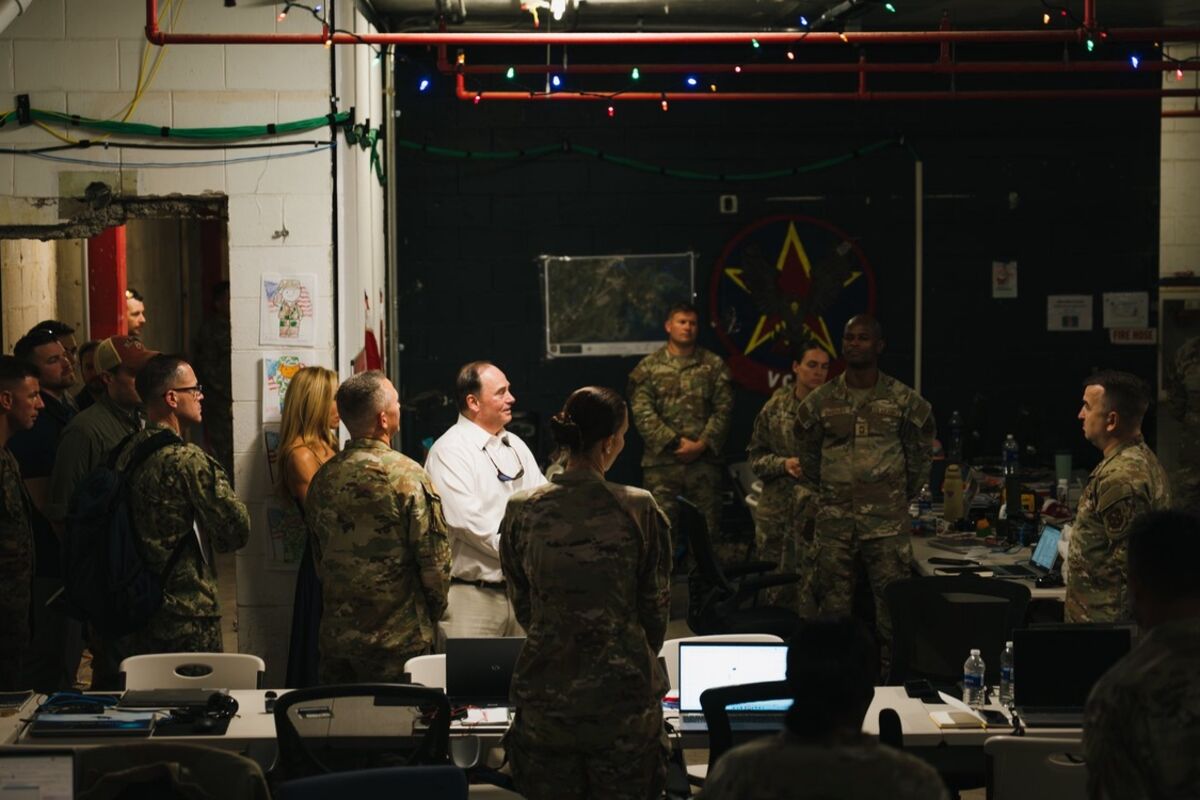
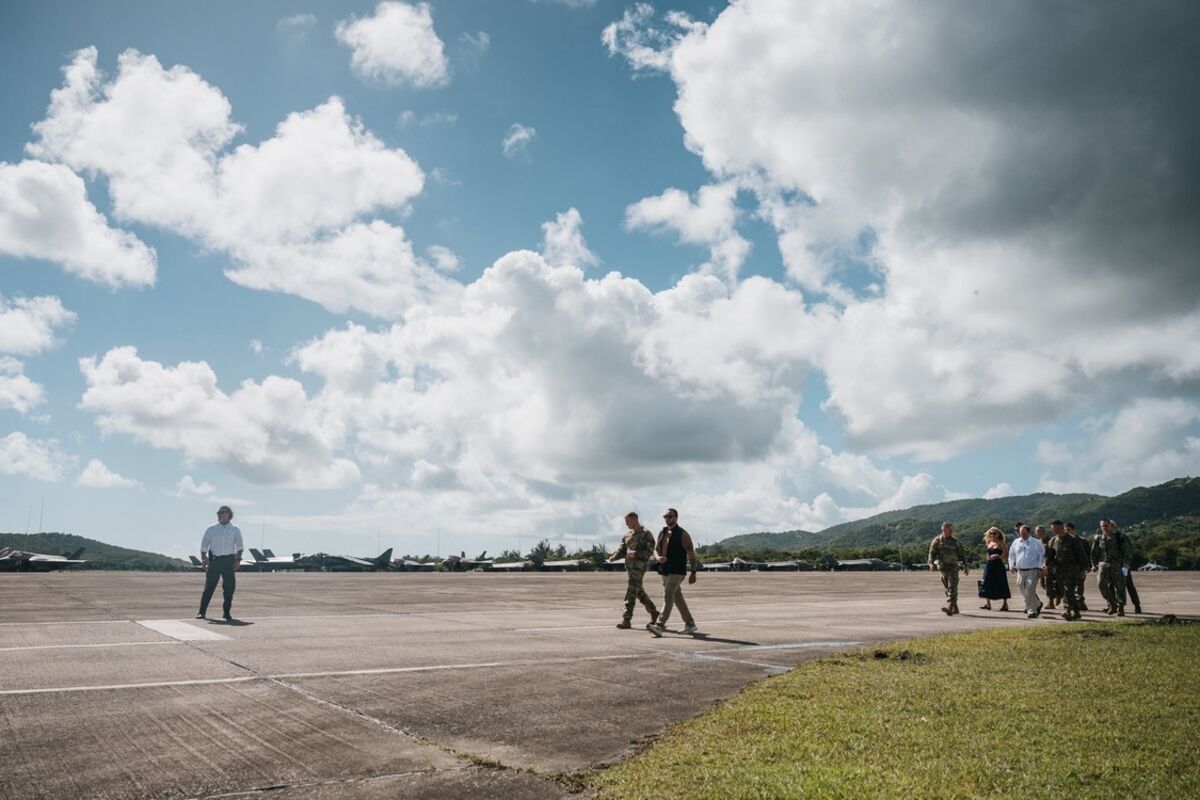
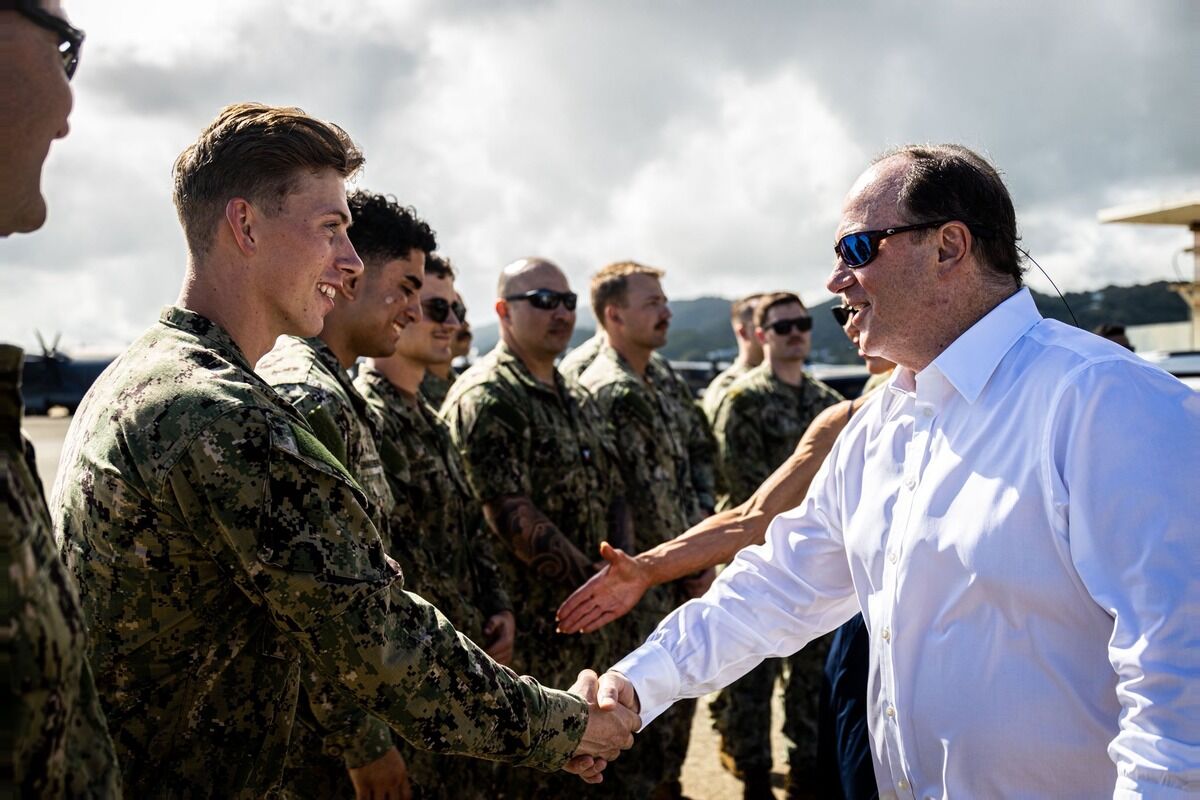
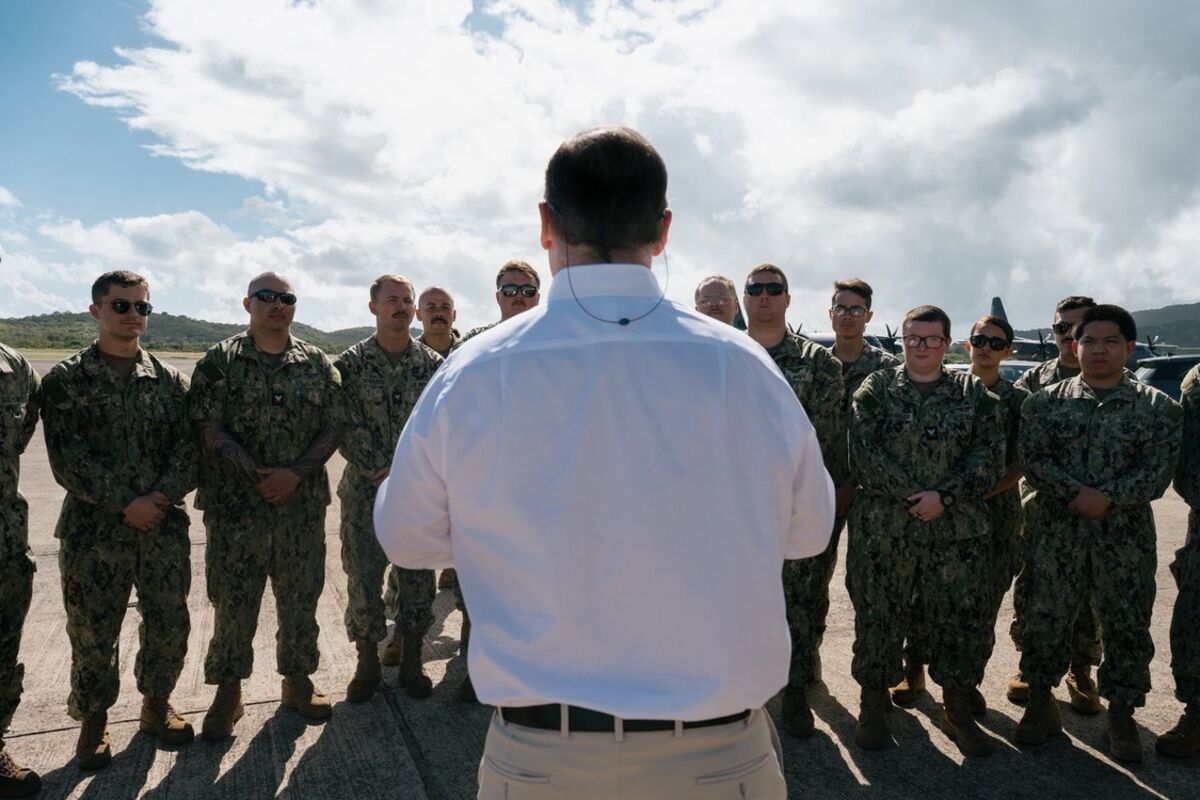
Secretary of the Navy John Phelan on Christmas Eve visiting forward-deployed service members who are spending their Christmas supporting Operation Southern Spear in Puerto Rico.
Secretary of the Navy John Phelan on Christmas Eve visiting forward-deployed service members who are spending their Christmas supporting Operation Southern Spear in Puerto Rico.
Secretary of the Navy John Phelan on Christmas Eve visiting forward-deployed service members who are spending their Christmas supporting Operation Southern Spear in Puerto Rico.
Secretary of the Navy John Phelan on Christmas Eve visiting forward-deployed service members who are spending their Christmas supporting Operation Southern Spear in Puerto Rico.
The United States is rapidly expanding its military presence in the Caribbean as tensions with Venezuela reach their highest point in decades. What began as a series of U.S. strikes on alleged drug‑smuggling boats has now evolved into the largest American military buildup in the region since the 1962 Cuban Missile Crisis, according to multiple reports. The escalation has triggered warnings from the United Nations, criticism from foreign governments, and growing fears that the standoff could spiral into a broader conflict.
A Sudden and Significant Military Surge
In recent weeks, the U.S. has deployed warships, special‑operations aircraft, and thousands of troops to the southern Caribbean. At least 10 CV‑22 Osprey aircraft and multiple C‑17 cargo planes carrying personnel and equipment arrived in Puerto Rico and other regional hubs, according to U.S. officials cited by the Wall Street Journal. The Pentagon has also surged 11,000 troops into the theater, on top of the 2,700 normally stationed there, according to analysis from the Center for Strategic and International Studies.
President Donald Trump has described the deployment as part of a massive "armada" intended to enforce a blockade on Venezuelan oil shipments and target what he calls "narco‑terrorist" networks operating from Venezuelan territory. The White House has already ordered strikes on dozens of boats in the Caribbean and eastern Pacific, killing more than 100 people since September, according to U.S. authorities.
Washington's Strategy: Pressure Maduro on All Fronts
The Trump administration argues that Venezuela's government, led by Nicolás Maduro, is deeply intertwined with major drug cartels - including the Cartel de los Soles - which the U.S. has designated a foreign terrorist organization. Trump has vowed to use "the full power of the United States" to eradicate these groups wherever they operate.
In addition to military pressure, the U.S. has seized multiple Venezuelan‑linked oil tankers and imposed a "total and complete blockade" on sanctioned vessels entering or leaving the country's ports. Oil is Venezuela's economic lifeline, and the blockade is designed to further isolate Maduro's government.
The administration has also hinted at the possibility of land strikes inside Venezuela. Trump recently told reporters that "the land is going to be next," signaling that the campaign could expand beyond maritime operations.
Venezuela's Response: Accusations of Aggression and Sovereignty Violations
Caracas has condemned the U.S. actions as a "serious threat to international peace and security", accusing Washington of violating international law and attempting to destabilize the country through military intimidation and economic warfare. Venezuelan officials have begun escorting oil tankers with naval vessels and have warned that any attack on Venezuelan territory would be met with force.
Maduro's government has also appealed to the United Nations, arguing that the U.S. blockade amounts to an act of war and that the strikes on alleged drug‑smuggling boats constitute unlawful extrajudicial killings.
International Reaction: Alarm and Calls for Restraint
The United Nations Security Council has expressed deep concern about the escalating situation. UN Assistant Secretary‑General Khaled Khiari warned that the growing U.S. military presence and ongoing strikes risk triggering a wider conflict and may violate international human rights law.
Russia has also issued warnings, cautioning that the U.S. buildup could lead to "unforeseen developments" and destabilize the region further.
A Region on Edge
The rapid escalation has left neighboring countries uneasy. Colombia, a U.S. ally, has criticized the strikes, prompting a sharp rebuke from Trump, who accused Colombian President Gustavo Petro of tolerating cocaine production. Meanwhile, Caribbean nations worry that the militarization of regional waters could disrupt trade, tourism, and civilian maritime traffic.
South Florida - home to one of the largest Venezuelan diasporas in the United States - is watching the situation closely, with many fearing that the standoff could lead to a full‑scale conflict or humanitarian crisis.
What Comes Next?
Analysts say the U.S. buildup gives Washington a wide range of options, from continued maritime interdictions to targeted strikes on Venezuelan military installations. However, experts also warn that the current force posture is not yet sufficient for a full invasion, which would require at least 50,000 troops, according to CSIS estimates.
For now, the U.S. appears focused on tightening the economic noose around Venezuela's oil sector while maintaining the threat of military escalation. But with both sides hardening their positions - and with the U.S. deploying one of the largest naval forces the region has seen in generations - the risk of miscalculation is rising.







Reader Comments(0)