
The people's voice of reason


The people's voice of reason
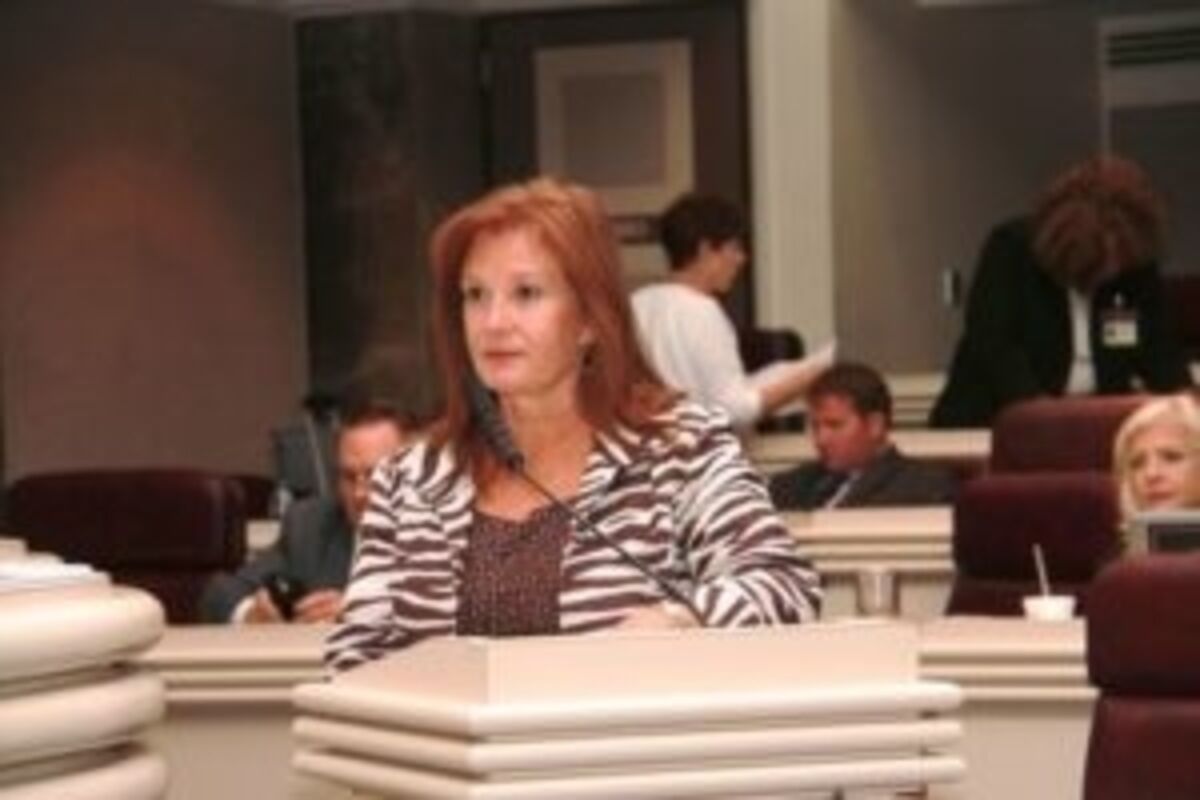
Rep. Terri Collins chairs the House Education Policy Committee
January 21, 2026 - MONTGOMERY - The Alabama House Education Policy Committee convened Wednesday afternoon, January 21, 2026, for a wide‑ranging meeting that placed early childhood development, teacher retention, university governance, and school personnel transparency at the center of legislative debate. The committee reviewed four bills-HB78, HB122, HB164, and HB225-each targeting a different layer of Alabama's education system, from preschool classrooms to university boardrooms.
The meeting, streamed live by The Alabama Channel, drew attention from educators, parents, and policy watchers across the state. While the committee did not take up lengthy public testimony, members engaged in steady discussion as they worked through the implications of each proposal.
HB78: Establishing Screen‑Time Limits in Early Childhood Settings
Rep. Jenna Ross's HB78 was the first bill on the agenda, addressing a growing concern among parents and early childhood experts: excessive screen time for young children. The bill would create formal guidelines limiting screen exposure in licensed child‑care facilities, certain preschools, and public kindergarten classrooms. It also establishes an annual training requirement for teachers and staff to ensure consistent implementation.
Under the proposal, the Department of Early Childhood Education, the Department of Human Resources, and the State Board of Education would share responsibility for enforcing the new standards. Supporters argue that Alabama needs statewide consistency to protect children's developmental health, especially as digital devices become more prevalent in classrooms.
Committee members noted that the bill aligns with national pediatric recommendations, though some raised questions about how enforcement would work in smaller or resource‑limited facilities. Still, the tone of discussion suggested broad interest in moving the bill forward.
HB122: Expanding Contract Flexibility for TEAMS Program Teachers
Rep. Terri Collins presented HB122, a targeted adjustment to the Teacher Excellence and Accountability for Mathematics and Science (TEAMS) Salary Schedule Program. Currently, teachers with more than 20 years of advanced‑contract service must be offered a five‑year contract. HB122 would give districts the option-rather than the obligation-to offer contracts of up to five years.
The TEAMS program was designed to attract and retain high‑quality math and science teachers by offering higher pay in exchange for additional accountability and contract commitments. However, some districts have expressed concern that mandatory five‑year contracts limit their flexibility in staffing and budgeting.
Committee members discussed the balance between teacher stability and administrative flexibility. Some lawmakers emphasized that veteran TEAMS teachers deserve long‑term security, while others argued that districts need more tools to manage personnel strategically. The bill's narrow scope and administrative focus suggest it may advance with bipartisan support.
HB164: Updating Governance Standards for the University of Montevallo
Rep. Corey Ellis's HB164 shifts the committee's attention to higher education governance. The bill proposes several updates to the University of Montevallo's board of trustees, including revised terms of office, updated quorum requirements, and modernized qualifications for the university president.
These changes reflect ongoing efforts across Alabama's higher education institutions to streamline governance structures and ensure boards are equipped to meet contemporary challenges. Committee members acknowledged that the University of Montevallo-one of the state's historic liberal arts institutions-must maintain strong leadership and clear governance standards as it navigates enrollment pressures, workforce demands, and evolving academic expectations.
While the bill is largely technical, it underscores the Legislature's role in shaping the long‑term health of Alabama's public universities.
HB225: Improving Transparency in School Personnel Vacancies
The final bill, HB225 by Rep. Ivan Smith, addresses a practical but important issue: how school districts notify the public about personnel vacancies. The bill revises notice requirements for certain board of education positions, aiming to improve transparency and ensure that qualified applicants have fair access to openings.
Committee members discussed the importance of clear, timely communication-especially in rural districts where hiring challenges are more acute. Supporters argue that better notice procedures can strengthen applicant pools and reduce turnover. The bill appears positioned to gain traction as part of broader efforts to improve recruitment and retention across Alabama schools.
A Meeting Focused on Practical, System‑Level Improvements
Though the committee's agenda did not include high‑profile debates or controversial proposals, the meeting highlighted the Legislature's ongoing work to refine Alabama's education system at every level. From protecting young children's developmental health to ensuring universities have strong governance structures, lawmakers emphasized practical improvements that could have long‑term impact.
The Alabama Channel, which streamed the meeting, continues to provide public access to legislative proceedings as part of its nonpartisan voter‑education mission.
As the session progresses, each of the four bills will move forward for further debate, amendments, or votes. For parents, educators, and community leaders across Alabama, the committee's work signals a continued focus on strengthening the state's educational foundation-one policy decision at a time.
If you want, I can also prepare a shorter version for outreach, a printable one‑page summary, or a Spanish‑language adaptation for community distribution.




Reader Comments(0)