
The people's voice of reason


The people's voice of reason
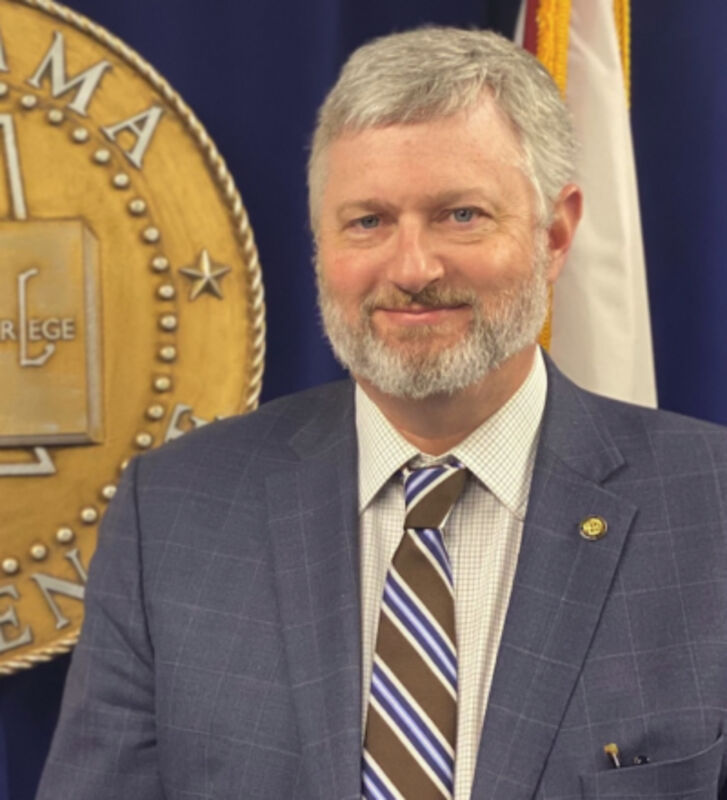
Senator Will Barfoot chairs the Senate Judiciary Committee
January 21, 2026 - MONTGOMERY - The Alabama Senate Judiciary Committee convened Wednesday morning, January 21, to review and advance a slate of bills addressing criminal justice, civil rights, juvenile proceedings, and guardianship reforms. The meeting, held at 8:30 a.m. in the State House, marked a significant step in shaping the legal landscape for Alabama families, victims, and vulnerable populations.
Chaired by Sen. Will Barfoot (R-Pike Road), the committee heard testimony and debated six bills that span from voting rights restoration to expanded penalties for violent crimes. Lawmakers emphasized the importance of balancing public safety with due process and rehabilitation.
SB17: Strengthening Penalties for Sexual Crimes
Sponsored by Sen. April Weaver (R-Brierfield), SB17 proposes enhanced penalties for first-degree rape, first-degree sodomy, and sexual torture. The bill seeks to close sentencing gaps and ensure that perpetrators of the most violent sexual offenses face longer prison terms.
Supporters argued that the measure would better protect victims and reflect the severity of these crimes. "We must send a clear message that Alabama will not tolerate sexual violence," Weaver said.
SB24: Restoring Voting Rights for Formerly Incarcerated Individuals
Sen. Linda Coleman-Madison (D-Birmingham) introduced SB24, which requires the Pardons and Paroles Board to post applications for voting rights restoration and notify individuals and the Secretary of State when rights are reinstated.
The bill aims to streamline the process and improve transparency for Alabamians seeking to reenter civic life after incarceration. Coleman-Madison emphasized the importance of second chances: "Restoring voting rights is about dignity, accountability, and full participation in our democracy."
SB83: Guardianship and Conservatorship Reform
Sen. Arthur Orr (R-Decatur) presented SB83, a comprehensive overhaul of Alabama's guardianship and conservatorship statutes. The bill strengthens notice requirements, revises procedures for transferring cases to circuit court, and mandates training for guardians ad litem representing minors.
It also introduces new protections for allegedly incapacitated adults, including the appointment of court representatives and authorization of emergency guardianships in urgent situations. Advocates say the bill will safeguard vulnerable Alabamians from exploitation and neglect.
SB142: Expanding the Crime of Reckless Endangerment
Sen. Will Barfoot (R-Pike Road) sponsored SB142, which broadens the definition of reckless endangerment and establishes new criminal penalties. The bill targets behaviors that pose serious risks to public safety, such as dangerous driving or mishandling of firearms.
Barfoot stated, "This legislation gives law enforcement and prosecutors the tools they need to address reckless conduct before it escalates into tragedy."
SB140: Improving Juvenile Justice Communication
Sen. Sam Givhan (R-Huntsville) introduced SB140, requiring courts to notify local school officials when a student is charged or adjudicated delinquent for certain criminal offenses. The bill mandates communication with public school superintendents or private K–12 principals to ensure appropriate support and supervision.
Lawmakers stressed the need for coordination between the justice system and education providers. "Schools must be aware of serious incidents to protect students and staff," Givhan said.
SB94: Increasing Penalties for Disabled Parking Violations
Sen. Tim Melson (R-Florence) brought forward SB94, which raises fines for unauthorized use of designated disabled parking spaces. The bill responds to growing concerns from disability advocates about enforcement and accessibility.
Melson noted, "These spaces are not optional - they're essential. We need to respect the rights of disabled Alabamians."
Next Steps
All six bills received committee attention and are expected to move forward for further debate on the Senate floor. The Judiciary Committee's January 21 meeting reflects a broader legislative push to modernize Alabama's legal code, enhance public safety, and protect vulnerable populations.
Alabamians can follow the progress of these bills and future committee meetings via The Alabama Channel, a nonpartisan voter education project of the League of Women Voters of Alabama Education Fund.





Reader Comments(0)