
The people's voice of reason


The people's voice of reason
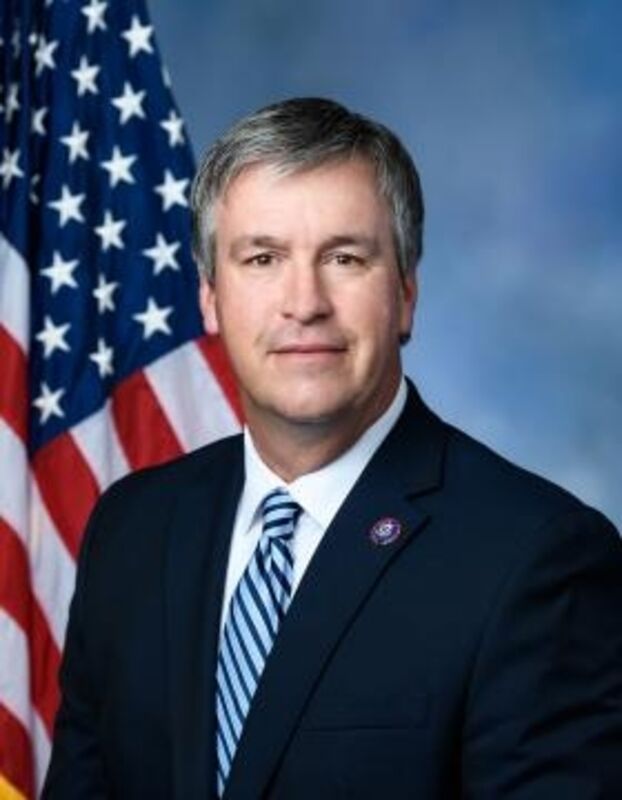
Congressman Barry Moore
U.S. Rep. Barry Moore delivered one of his most expansive interviews of the 2026 Senate race during an appearance on The Brandon and Christopher Show, speaking candidly about the balance of power in Washington, foreign policy under President Trump, national security, and Alabama's infrastructure needs. The conversation, hosted by Christopher Peeks and Brandon Moseley, offered voters a detailed look at how Moore views the Senate seat he is seeking - and the agenda he intends to advance if elected.
Moore framed the Senate race as a pivotal moment for Alabama, repeatedly contrasting the powers of a senator with those of a House member. He also tied many of his arguments to President Trump's second‑term priorities, making clear that he sees the Senate as the chamber where Trump's agenda will either advance or stall.
Senate vs. House: "The Senate can stop everything"
Moore opened the interview by explaining the structural differences between the two chambers of Congress. While House members represent districts and pass legislation by simple majority, Moore emphasized that the Senate's rules - especially the 60‑vote filibuster threshold - give senators far more leverage.
"A senator can stop everything," Moore said, noting that the Senate's ability to block or delay legislation makes it the key battleground for Trump's America First agenda.
Moore argued that eliminating or reforming the filibuster may be necessary to prevent Democratic leaders like Sen. Chuck Schumer from "shutting down" Republican priorities. He pointed to several bills he supported in the House - including legislation on veterans' issues, immigration enforcement, and restrictions on transgender surgeries for minors - that passed the House but stalled in the Senate.
Advancing Trump's America First Agenda
Throughout the interview, Moore aligned himself closely with President Trump's policy goals. He highlighted Trump's negotiating style, his willingness to use tariffs as leverage, and his focus on reshoring American production.
Moore said the Senate must be prepared to move quickly on Trump's priorities, especially on border security, trade, and national defense.
He also warned that without a supportive Senate, Trump's agenda could be slowed by procedural hurdles or opposition from establishment Republicans.
Greenland: "A strategic asset we should pursue"
One of the most striking moments of the interview came when Moore discussed Trump's renewed interest in acquiring Greenland - an idea that drew international attention during Trump's first term and has resurfaced as a strategic counter to China and Russia.
Moore expressed strong support for the concept.
"Greenland is a strategic asset," he said, noting its location, mineral resources, and value for missile defense and Arctic operations.
He compared the idea to the U.S. purchase of the Virgin Islands from Denmark, arguing that diplomatic and economic pressure could make a deal possible. Moore said the U.S. must think long‑term about global competition, especially as China expands its influence in the Arctic.
Ukraine: Oversight, negotiations, and Trump's leverage
Moore also addressed the ongoing war in Ukraine, raising concerns about the lack of oversight on the roughly $176 billion in U.S. aid sent to the country.
He questioned the motives of some politicians and argued that Trump's negotiating skills could bring the conflict closer to resolution.
Moore said Trump had previously prevented two unnamed countries from going to war by threatening tariffs, and he suggested similar pressure could push Russia and Ukraine toward a settlement.
While acknowledging the devastation of the conflict, Moore said he hopes Trump can "negotiate a peace deal" that ends the stalemate.
National Debt and Economic Strategy
Turning to domestic issues, Moore said Congress must take a more disciplined approach to federal spending. He pointed to the appropriations process - passing all 12 bills individually - as a way to rein in waste and reduce fraud.
Moore also argued that tariffs, increased domestic production, and better resource management could help lower inflation and strengthen the U.S. economy.
He praised Trump's economic team, including Scott Bessent, and said he is optimistic about the country's financial direction under Trump's leadership.
Iran Protests and U.S. Response
The interview also touched on the ongoing protests in Iran. Moore said Trump's warnings to the Iranian regime during his first term should serve as a deterrent against violent crackdowns.
He expressed hope that the protests could lead to regime change and even referenced the possibility of restoring the Shah's son to power - a position that reflects the views of some Iranian dissident groups.
Moore said military intervention may not be necessary but argued that Trump's pressure could influence the regime's behavior.
Alabama Issues: Space Command, I‑65, and 2026 Races
Moore closed the interview by focusing on Alabama-specific issues.
He praised the bipartisan effort that ultimately secured the relocation of U.S. Space Command to Huntsville, crediting both the Trump and Biden administrations for following through.
On infrastructure, Moore said expanding I‑65 to six lanes remains a top priority, though he acknowledged the tension between fiscal conservatism and major capital projects.
The hosts also asked Moore about upcoming Alabama political races, including the Republican primary for Attorney General and potential challenges to incumbent legislators. Moore said he expects a competitive cycle but emphasized unity behind conservative principles.
A Preview of Moore's Senate Message
The interview offered a clear preview of Moore's Senate campaign themes: strong alignment with President Trump, a focus on national security, skepticism of unchecked foreign aid, and a commitment to Alabama's infrastructure and economic growth.
For voters, the conversation provided one of the most detailed looks yet at how Moore views the Senate's role - and why he believes Alabama needs a senator fully committed to advancing Trump's agenda.







Reader Comments(0)