
The people's voice of reason


The people's voice of reason
Governor Kay Ivey
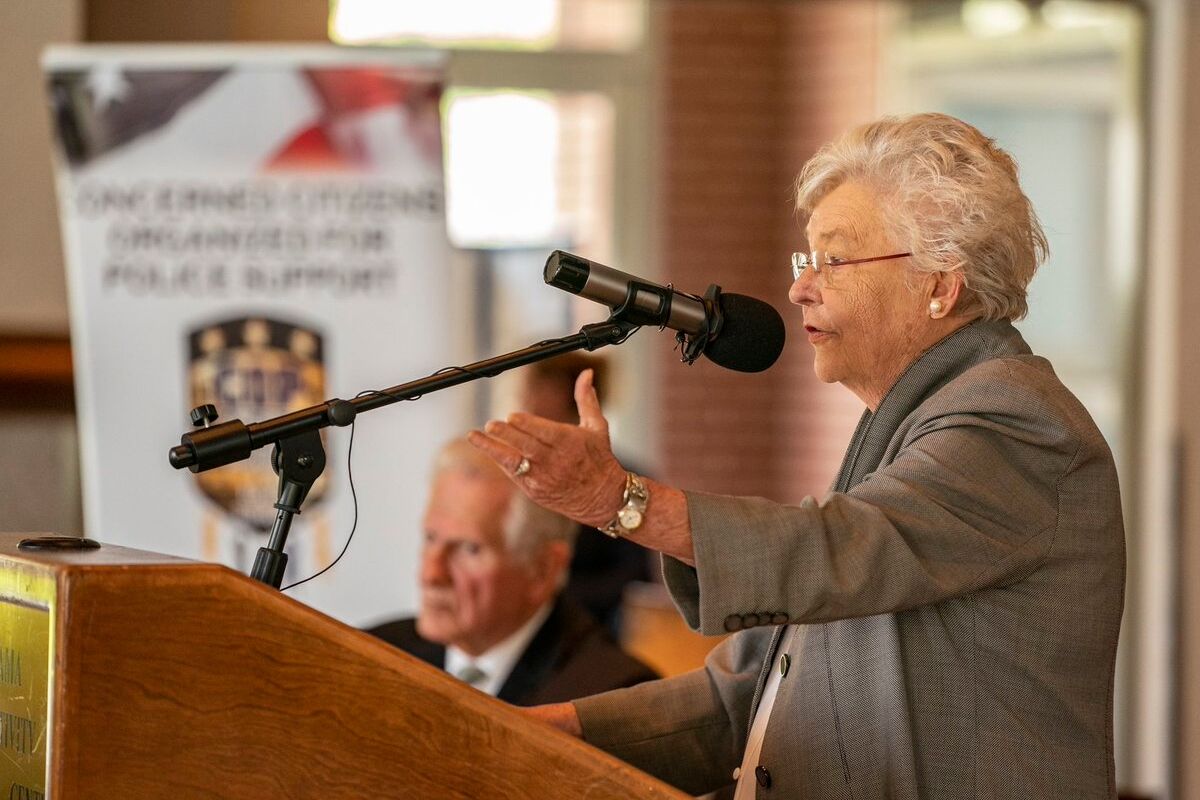
February 11, 2026 - MONTGOMERY, Ala. - Governor Kay Ivey on Tuesday threw her support behind a trio of Public Service Commission–related bills moving through the Alabama Legislature, including the most controversial of the package: a proposal that would end the public's ability to elect PSC commissioners and instead shift those positions to gubernatorial appointments.
The House Committee on Transportation, Utilities and Infrastructure is considering House Bill 403, House Bill 399, and House Bill 392, a coordinated package aimed at reshaping how Alabama regulates utilities and oversees energy policy. While the bills differ in scope, together they represent the most significant structural changes to the PSC in decades.
Ahead of the committee meeting, Ivey issued a statement endorsing all three measures and framing them as part of a broader effort to keep Alabama's cost of living low while strengthening the state's economic competitiveness.
"For Alabama to remain the best state to live, work and raise a family, we have to grow the state, while keeping our cost of living low. That certainly includes our utilities, and we are seeing discussions in states around the country about best ways to lower those bills for families. Through a package of bills, we are taking steps to protect energy costs for Alabamians, while keeping our state competitive for further economic development. In addition to maintaining Alabama's low cost-of-living and growing business and industry, I have also been proud to make strong appointments to the Public Service Commission specifically. My appointments of PSC President Cynthia Almond and PSC Commissioner Chris Beeker show what a future Administration could do to serve the people of Alabama well through this regulatory commission. I thank the Legislature for working on this very relevant issue." – Governor Kay Ivey
A Major Shift in How the PSC Is Chosen
The most debated bill in the package is the one that would strip voters of the right to elect Public Service Commissioners, transferring that authority to the governor. Supporters argue that an appointed commission would operate with greater professionalism, stability, and long‑term planning-similar to other regulatory bodies that are not chosen through partisan elections.
Critics counter that the PSC's decisions directly affect every household's utility bills, making public accountability essential. They warn that removing elections would concentrate too much power in the executive branch and reduce transparency in decisions involving billions of dollars in energy costs.
Ivey's statement makes clear that she views her own PSC appointments-Cynthia Almond as president and Chris Beeker as commissioner-as evidence that gubernatorial selection can produce strong leadership. Her comments also signal confidence that future administrations would continue that pattern.
Broader Energy and Economic Implications
The full package of bills touches on several areas:
- Utility oversight and rate‑setting authority
- PSC structure and governance
- Long‑term energy planning and economic development considerations
Supporters in the Legislature say the reforms are designed to modernize Alabama's regulatory framework at a time when states across the country are rethinking how to manage energy costs, grid reliability, and industrial growth.
Ivey's emphasis on competitiveness reflects ongoing efforts to attract new manufacturing and technology investments-sectors that often cite energy stability and affordability as key factors in site selection.
What Comes Next
The House committee advanced the bills on Tuesday, despite dozens of people present in opposition to Rep. Brown's bill taking away the people's right to elect their PSC Commissioners. The was the first major step in what is expected to be a closely watched legislative debate. If the measures advance, they will move to the full House and then to the Senate, where both supporters and opponents are preparing for a high‑stakes discussion about the future of utility regulation in Alabama.
For now, the governor's endorsement gives the package significant momentum. It also places her squarely behind a structural shift that would reshape one of the state's most influential regulatory bodies-and redefine how Alabamians interact.





Reader Comments(0)