
The people's voice of reason


The people's voice of reason
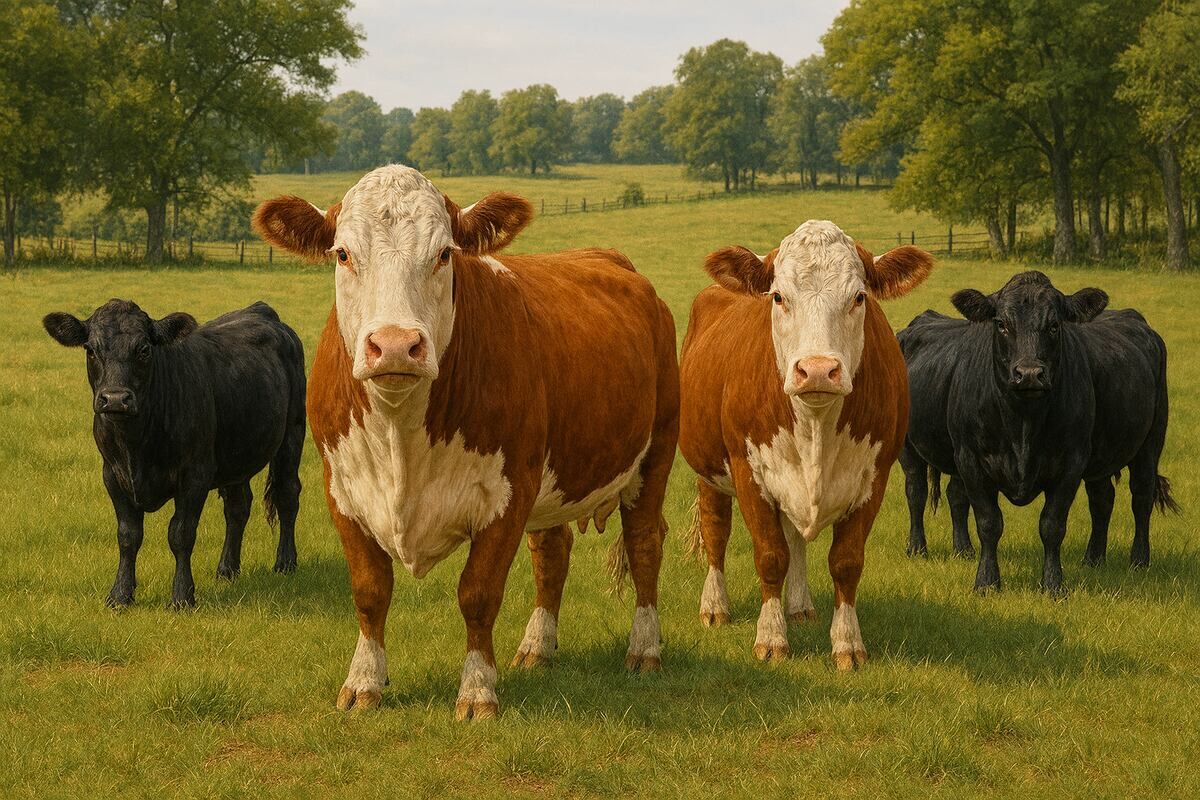
Alabama ranks 17th nationally in cow numbers
A new beef import agreement between the United States and Argentina has sparked sharp criticism from American cattle ranchers, who argue the deal could undercut domestic producers and weaken rural economies already facing tight margins. The agreement, signed by President Donald Trump as part of a broader trade framework with Argentina, expands market access for Argentine beef into the U.S. for the first time in years.
A Long‑Standing Restriction Lifted
Argentina has historically been limited in its ability to export beef to the United States due to concerns over animal‑health standards, including past outbreaks of foot‑and‑mouth disease. The new agreement certifies Argentina's updated inspection and safety protocols, allowing the country to ship fresh and frozen beef into the U.S. market under expanded quotas.
Supporters of the agreement say it strengthens diplomatic ties, diversifies supply chains, and offers American consumers more choices at competitive prices.
Ranchers see it differently.
Ranchers Warn of Market Disruption
Cattle producers across the Midwest, Great Plains, and the Southeast - including Alabama's own cow‑calf operations - argue that the agreement introduces unfair competition into an already volatile market. Many ranchers say they operate on thin profit margins and fear that cheaper South American beef could depress cattle prices at U.S. sale barns.
Industry groups have raised three major concerns:
1. Price Pressure on Domestic Producers
Argentine beef is often produced at lower cost due to cheaper land, feed, and labor. Ranchers warn that increased imports could push down live‑cattle prices, especially during periods of oversupply.
2. Food‑Safety and Traceability Standards
While the U.S. Department of Agriculture has certified Argentina's updated protocols, some ranchers remain skeptical. They argue that inconsistent enforcement abroad could put American consumers at risk and create an uneven regulatory playing field.
3. Rural Economic Impact
Cattle production is a backbone industry in many rural states. Ranchers fear that lower prices could ripple through local economies, affecting feed suppliers, equipment dealers, veterinarians, and small‑town businesses.
Industry Groups Voice Opposition
Several ranching organizations have issued statements criticizing the agreement. Their arguments center on protecting domestic agriculture and ensuring that U.S. producers are not disadvantaged by foreign competition.
Some groups have called for:
- Congressional review of the agreement
- Mandatory country‑of‑origin labeling (COOL) on imported beef
- Stronger safeguards to prevent market manipulation
Others have urged the administration to prioritize policies that strengthen domestic cattle markets rather than expand foreign imports.
Supporters Say Consumers Benefit
Economists who favor the agreement argue that increased imports can help stabilize beef prices for consumers, especially during periods of high domestic demand or drought‑driven supply shortages. They also note that Argentina is known for high‑quality grass‑fed beef, which appeals to certain niche markets.
Supporters also emphasize that the agreement does not eliminate U.S. safety standards - all imported beef must still meet USDA inspection requirements.
What Comes Next
The agreement is expected to phase in gradually, with import volumes monitored by federal agencies. Ranchers, meanwhile, are preparing to lobby Congress and state officials to push back against what they view as a harmful policy shift.
The debate highlights a long‑running tension in American agriculture: balancing free‑trade goals with the economic realities of rural producers. As the agreement moves forward, the question remains whether expanded imports will strengthen the broader market or strain the livelihoods of the nation's cattle ranchers.





Reader Comments(0)