
The people's voice of reason


The people's voice of reason
Cryptocurrencies versus money in the bank
In communities across Alabama, families rely on community banks to help them buy their first home, start a business, or weather a tough season. Those deposits don't disappear into a national system. They're reinvested right back into the places we live. Community banking works because it's built on trust, relationships, and a shared commitment to local progress.
When I served as a community bank president, I spent my time listening to customers, visiting local businesses, and helping tell the story of how community banking supports economic growth. Whether it's a family-owned restaurant looking to expand, a farmer preparing for the next planting season, or a nonprofit seeking financing for a new facility, the common thread is simple: local deposits make local lending possible.
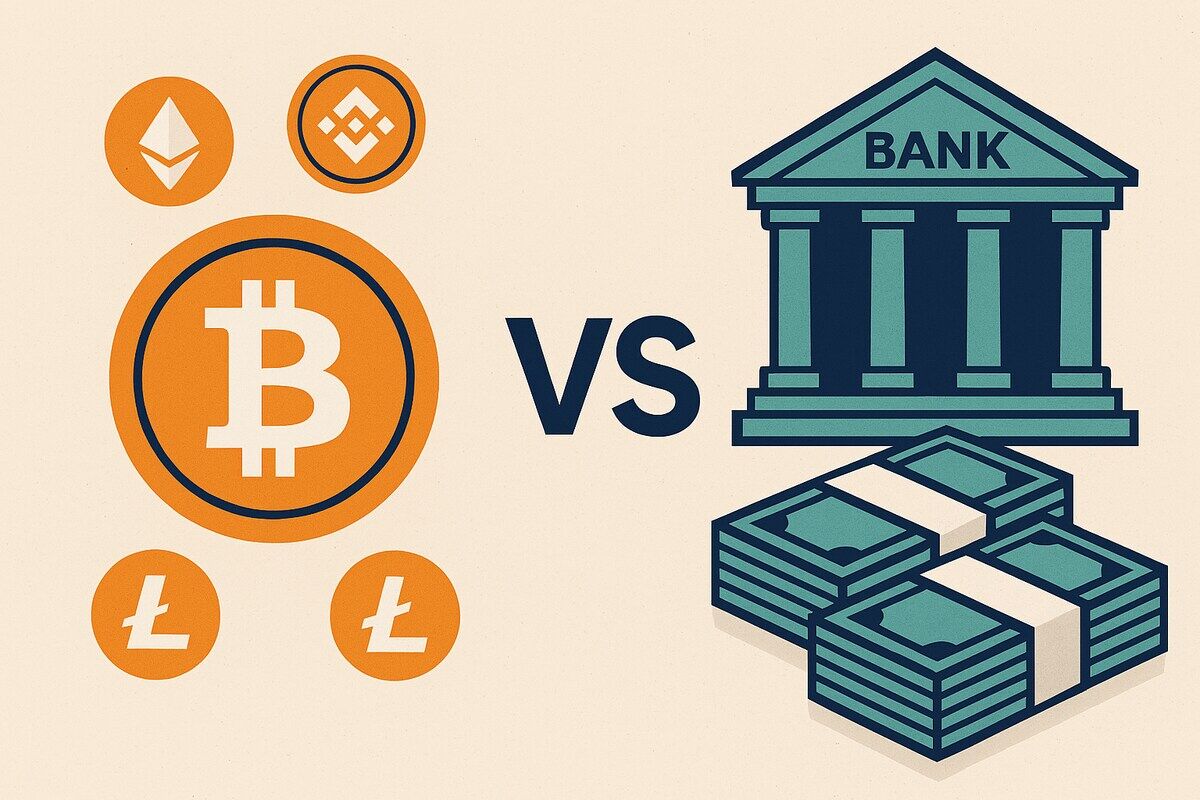
That's why I'm increasingly concerned about an unintended loophole in the GENIUS Act that could quietly drain deposits from community banks like ours. The loophole allows crypto companies to offer high rewards to consumers for holding stablecoins on their platforms. While that may sound appealing at first glance, the long-term consequences for local economies, especially rural ones, could be severe.
Community banks don't speculate with deposits. We lend them back to our communities. When customers move their money to crypto platforms chasing higher rewards, those dollars no longer support home loans, small business credit, agricultural financing, or community development projects in Alabama. Over time, fewer deposits mean fewer loans. And fewer loans mean fewer opportunities for growth in towns that already face economic challenges. One analysis showed that if this loophole is not closed, small business and agricultural lending could decrease by $110 billion and $62 billion, respectively.
What's especially troubling is that many consumers may not fully understand the risks involved. Deposits held at community banks are protected by FDIC insurance. That protection has given generations of Americans peace of mind, even during financial downturns. Crypto holdings do not carry that same guarantee. If a crypto platform fails, consumers could lose access to their funds entirely.
As a former community bank president, and State Banking Chairman, I often helped explain banking products to customers in plain language. People appreciate transparency. They want to know their money is safe and that their bank will be there tomorrow, next year, and decades from now. Crypto platforms are not held to the same regulatory standards as banks, and that difference matters.
Community banks operate under strict rules because we are entrusted with our neighbors' savings. We live where we lend. Our employees coach Little League teams, attend the same church services, and shop at the same stores as our customers. When a business hits a rough patch, we don't see an account number. We see people we know and communities we care about.
Innovation should be encouraged, but not at the expense of the institutions that form the crucial pillars in our economy. The GENIUS Act should not allow incentives that pull resources away from community banks while exposing consumers to greater risk without their full understanding.
Alabama's families, farmers, and small businesses depend on a healthy community banking system. If we want our towns to grow and our local economies to remain strong, we must ensure that public policy protects consumers, promotes transparency, and keeps capital working right here at home.
As the Senate debates crypto legislation this month, I encourage Senator Katie Britt and her colleagues on the Senate Banking Committee find a way to close this loophole once and for all. Too much is at stake for communities across Alabama and nationwide.
John Harrison served as Alabama's Banking Superintendent under Governor's Bob Riley and Robert Bentley.
Opinions expressed are those of the author and do not necessarily reflect the views of the Alabama Gazette staff or publishers.




Reader Comments(0)