
The people's voice of reason


The people's voice of reason
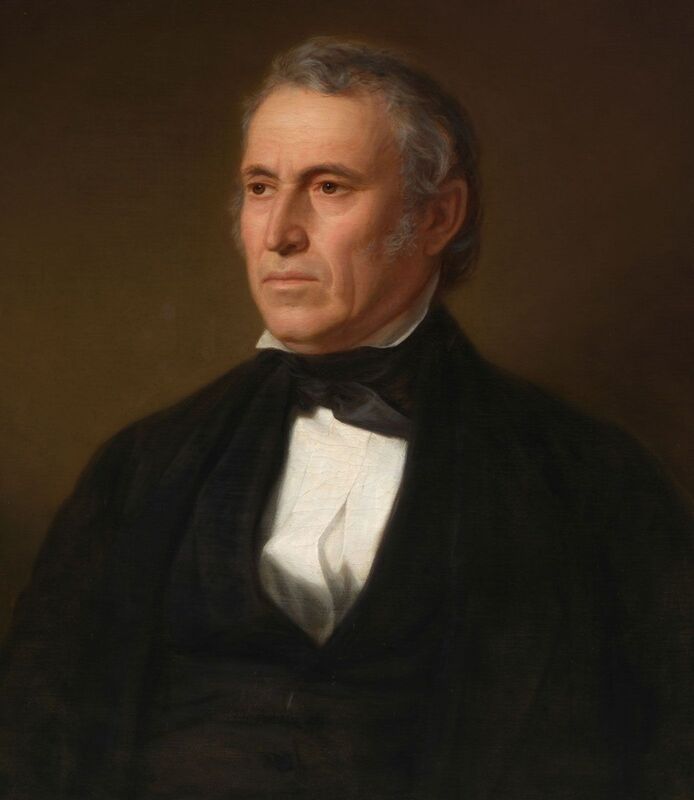
Zachary Taylor's win at Buena Vista made him a U.S. President
On February 22–23, 1847, in the rugged mountain passes of northern Mexico, a vastly outnumbered American force won a desperate and unlikely victory at the Battle of Buena Vista. It was one of the most dramatic engagements of the Mexican–American War, a clash defined by terrain, tenacity, and the political stakes surrounding the conflict. The battle elevated the national profile of General Zachary Taylor, reshaped the war's momentum, and left a legacy that echoed through American politics for decades.
The road to Buena Vista began months earlier. By late 1846, Taylor had captured Monterrey but was ordered to halt his advance while General Winfield Scott prepared a separate campaign against Veracruz. Many of Taylor's best troops were reassigned to Scott, leaving Taylor with a smaller, mixed force of regulars and volunteers-many from states like Mississippi, Kentucky, Indiana, and Illinois. Despite the reduction, Taylor remained determined to hold northern Mexico and protect the supply lines that sustained the American presence.
Opposing him was General Antonio López de Santa Anna, the dominant figure of Mexican politics and a veteran of earlier conflicts, including the Texas Revolution. Having returned from exile, Santa Anna rallied a large Mexican army-estimates range from 14,000 to 20,000 men-and marched north with the goal of crushing Taylor before Scott's coastal invasion could begin. Taylor, with barely 4,500 troops, understood that he could not meet Santa Anna in open terrain. Instead, he chose to make his stand at a narrow mountain pass near the hacienda of Buena Vista, south of Saltillo.
The battlefield favored defense. Steep ridges, deep ravines, and narrow approaches limited Santa Anna's ability to deploy his superior numbers. Taylor's men, including the Mississippi Rifles under Colonel Jefferson Davis, fortified key positions along the ridges. The stage was set for a confrontation that would test the resolve of both armies.
The battle began on February 22, George Washington's birthday-a fact Taylor noted with symbolic pride. Santa Anna sent a demand for surrender, which Taylor rejected. Skirmishing erupted along the ridges as Mexican forces probed the American lines. The real assault came the next day.
On February 23, Santa Anna launched a massive, coordinated attack aimed at overwhelming the American left flank. Mexican infantry and cavalry surged across the rugged terrain, exploiting gaps and forcing several American units into retreat. At one point, the situation grew so dire that Taylor himself rode to the front, famously declaring, "A little more grape, Captain Bragg," urging artillery officer Braxton Bragg to intensify his fire. Whether the quote is exact or embellished, it became one of the most iconic lines of the war.
The turning point came when the Mississippi Rifles, armed with innovative rifled muskets, executed a disciplined counterattack that halted a major Mexican advance. Their firepower and maneuvering stabilized the collapsing flank and bought time for reinforcements. Meanwhile, American artillery-light, mobile, and expertly handled-proved decisive. The narrow passes allowed the guns to sweep entire approaches, inflicting heavy casualties and preventing Mexican forces from massing effectively.
Santa Anna's troops fought with determination, repeatedly pressing the attack despite the difficult terrain and punishing fire. But by late afternoon, the Mexican commander recognized that his exhausted army could not break the American line. With supply shortages mounting and fearing that Taylor might receive reinforcements, Santa Anna ordered a withdrawal. By nightfall, the battlefield belonged to the Americans.
The victory at Buena Vista carried enormous consequences. Militarily, it secured the northern theater and prevented Santa Anna from reclaiming territory that had already fallen under American control. Politically, it transformed Zachary Taylor into a national hero. His calm leadership, plainspoken demeanor, and reputation for sharing hardships with his men endeared him to the public. Within two years, he would ride the fame of Buena Vista all the way to the White House.
The battle also highlighted the growing importance of volunteer regiments in American military culture. Units from Mississippi, Indiana, Illinois, and Kentucky played crucial roles, and their actions were celebrated in hometown newspapers across the country. For many communities-including those in Alabama-the Mexican–American War became a proving ground for young men who would later serve in the Civil War.
For Mexico, Buena Vista was a bitter setback. Santa Anna had come close to breaking the American line, and his army fought with courage under difficult conditions. But logistical challenges, internal political divisions, and the sheer difficulty of sustaining a large force in the northern deserts undermined his campaign. The defeat weakened his political standing and contributed to the eventual collapse of Mexican resistance as Scott advanced toward Mexico City later that year.
Today, the Battle of Buena Vista stands as one of the most studied engagements of the Mexican–American War. It was a battle of contrasts: a small, mixed American force against a larger, more experienced Mexican army; rugged terrain shaping the tactics; and political ambitions intertwined with battlefield decisions. Above all, it was a test of endurance and leadership.
In the end, Buena Vista became a defining moment in the war-a victory won not by overwhelming numbers but by terrain, artillery, and the stubborn resolve of soldiers who held their ground against long odds. The echoes of that February battle in 1847 would carry far beyond the mountain passes of northern Mexico, shaping national politics, military careers, and the unfolding story of a nation expanding toward the Pacific.








Reader Comments(0)