
The people's voice of reason


The people's voice of reason
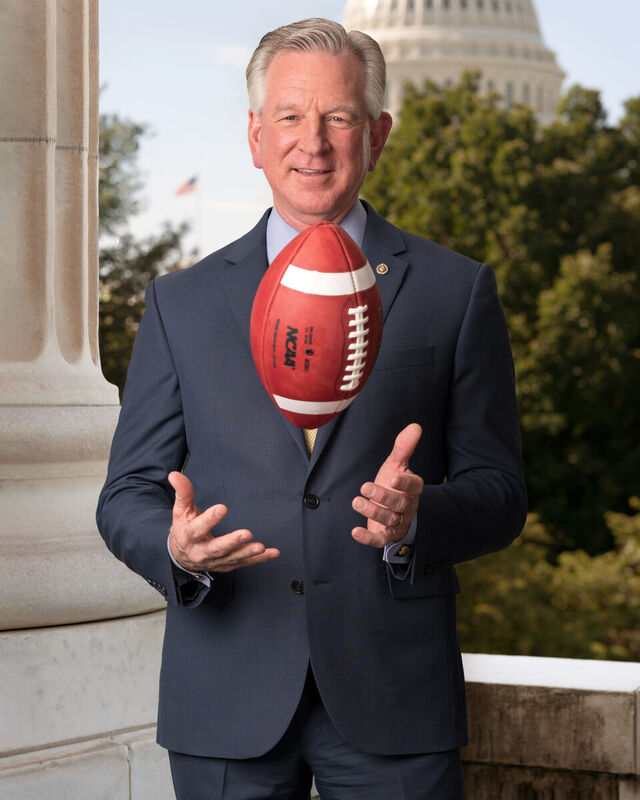
Senator Tommy Tuberville
February 12, 2026 - WASHINGTON, D.C. - U.S. Senator Tommy Tuberville (R‑Ala.) has joined Senator John Cornyn (R‑Texas) in introducing the Defeat Sharia Law in America Act, a new bill aimed at preventing the implementation of Sharia Law in the United States. The legislation seeks to clarify that any attempt to impose Sharia‑based discrimination in the provision of goods, services, or accommodations violates the Civil Rights Act.
The bill, introduced on February 12, 2026, builds on previous efforts by both senators to block foreign legal systems from influencing American civil and constitutional protections.
Tuberville's Statement: "Sharia Law Is a Death Cult"
Senator Tuberville issued a forceful statement in support of the bill, saying:
"Sharia Law is not a religion; it is a death cult and has no place in this country. People are afraid to call out Sharia Law for what it is: an ideology that calls for the killing of freedom‑loving Americans. We have to take action against this poisonous ideology and protect Americans from the growing threat of Radical Islam."
Tuberville's remarks reflect a broader national security framing, casting Sharia Law as a threat to American values and constitutional order.
Cornyn's Statement: "An Existential Threat"
Senator Cornyn echoed Tuberville's concerns, stating:
"Sharia Law is the antithesis of the rights, beliefs, and values that make Texas and America great, and we must root out and eradicate this existential threat to our way of life."
Cornyn emphasized that the bill is designed to stop "anti‑American jihadists" and prevent the spread of "hateful ideology" in communities across the country.
What the Bill Would Do
The Defeat Sharia Law in America Act would:
- Clarify that discrimination based on Sharia Law in public accommodations violates the Civil Rights Act
- Prevent private implementation of Sharia Law by adding a rule of construction to existing federal law
- Reinforce that foreign legal systems cannot override U.S. constitutional protections
The bill is part of a broader legislative effort that includes the No Sharia Act, which prohibits courts from enforcing judgments or contracts based on foreign laws that conflict with the Constitution.
Background and Context
The legislation follows Cornyn's 2025 call for a Department of Justice investigation into a proposed Muslim‑oriented housing development in North Texas. Cornyn alleged that the project, EPIC Ranches City (now renamed The Meadow), could discriminate against Christians and Jews. The DOJ later closed the investigation after the developer affirmed compliance with the Fair Housing Act.
Tuberville and Cornyn's bill appears to be a response to growing concerns among conservative lawmakers about the influence of foreign ideologies and legal systems in American civic life.
Criticism from Civil Rights Groups
The bill has drawn sharp criticism from Muslim advocacy organizations, including the Council on American‑Islamic Relations (CAIR). CAIR's Alabama chapter issued a statement calling the legislation an "unconstitutional attack on religious freedom."
"Sharia law, like Jewish Halacha, provides Muslims with guidance for their daily life and religious practice," CAIR stated. "Senator Tuberville's doomed effort to 'ban' American Muslims from adhering to the articles of their faith is a publicity stunt that demonstrates his contempt for religious freedom."
CAIR emphasized that Sharia Law in the U.S. is not a political or legal system but a set of personal religious practices, including prayer, fasting, and charity.
Legal and Constitutional Questions
Legal scholars have raised questions about the bill's scope and enforceability. While the Civil Rights Act already prohibits discrimination in public accommodations, critics argue that the bill could be used to target religious communities or faith‑based practices under the guise of national security.
Supporters of the bill argue that it is narrowly tailored to prevent the imposition of foreign legal standards - not to interfere with private religious observance.
CAIR has been widely criticized for its alleged ties to Hamas and other terror groups.
Political Implications
The bill's introduction comes as Cornyn faces re‑election pressures. Cornyn is running in a competitive Texas GOP primary, while Tuberville is running for governor of Alabama.
The legislation may serve as a rallying point for conservative voters concerned about immigration, religious extremism, and the preservation of American legal norms.
What Comes Next
The Defeat Sharia Law in America Act will now move to committee for review. Its prospects in the Senate remain uncertain, but the bill has already sparked national debate over religious freedom, civil rights, and the boundaries of constitutional protection.
For Alabama readers, Tuberville's involvement reflects his continued focus on national security and cultural issues - themes that have defined his tenure in the Senate and may shape his future political ambitions.







Reader Comments(0)