
The people's voice of reason


The people's voice of reason
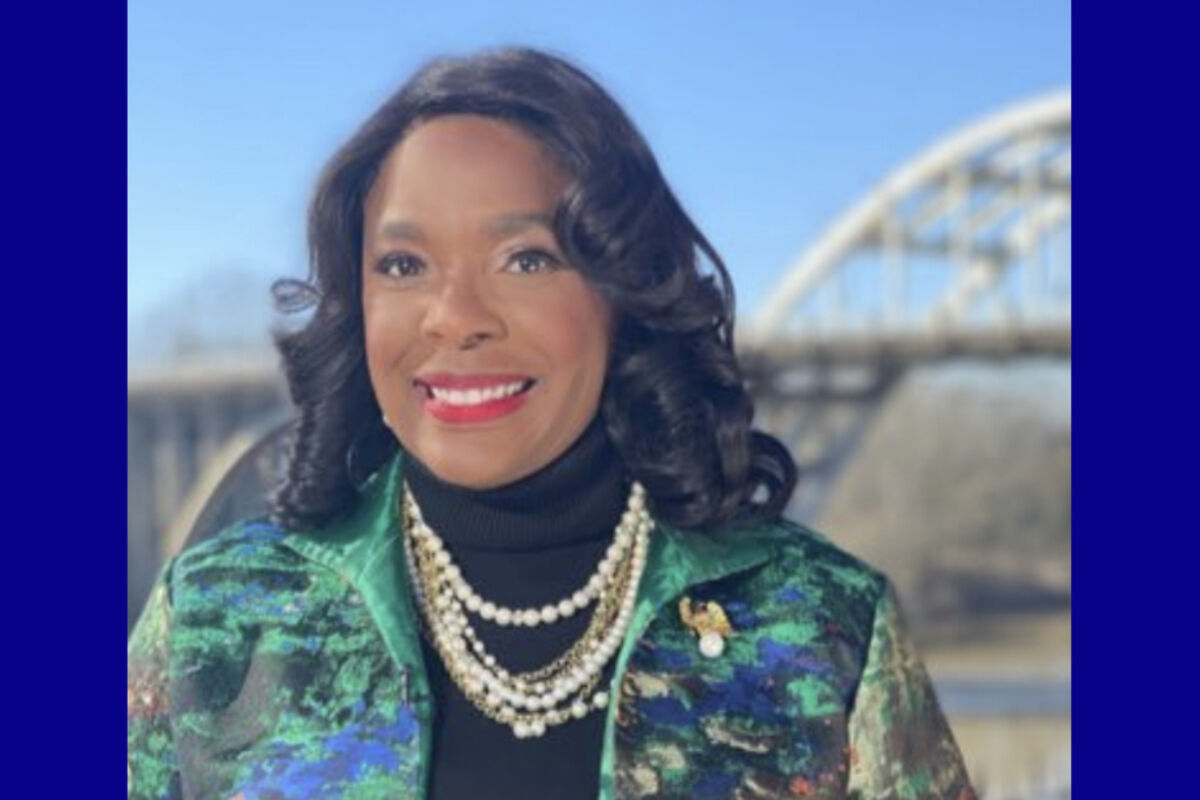
Congresswoman Terri Sewell
February 28, 2026 - WASHINGTON, D.C. - U.S. Rep. Terri Sewell (AL‑07) is urging heightened congressional oversight and a formal vote on war powers following the Trump Administration's military strikes on Iran, warning that unilateral executive action risks drawing the United States into another prolonged conflict in the Middle East without sufficient consultation with Congress or the American public.
In a statement released Friday, Sewell acknowledged Iran's long record of human rights abuses and support for terrorism but stressed that these realities do not diminish the constitutional responsibilities placed on the president when ordering military force. Her comments come amid rising tensions in the region and growing debate in Washington over the scope of presidential authority in matters of war.
"Iran has oppressed their people and supported terrorism in the region for decades," Sewell said. "This fact does not change the President's obligations under the Constitution to work with Congress on military actions that put our troops in harm's way and could drag our country into another prolonged war in the Middle East."
Constitutional Concerns at the Center of Sewell's Response
Sewell's statement reflects a broader concern among many lawmakers that the executive branch has increasingly relied on decades‑old authorizations for the use of military force (AUMFs) to justify new operations without direct congressional approval. The strikes on Iran have reignited longstanding debates about whether the president must seek explicit authorization before initiating hostilities, particularly when the action risks escalation.
Sewell emphasized that Congress has a constitutional role in decisions of war and peace, noting that the framers intended for the legislative branch to serve as a check on unilateral military action. She argued that bypassing Congress undermines democratic accountability and increases the likelihood of open‑ended conflict.
"I will continue to work with my colleagues in Congress to compel a vote on a war powers resolution," she said, signaling her support for legislative efforts to reassert congressional authority. Such resolutions typically aim to limit the president's ability to engage in sustained military operations without congressional approval, requiring the administration to either obtain authorization or withdraw forces within a specified timeframe.
Calls for Immediate Briefing and Strategic Clarity
Beyond constitutional concerns, Sewell is pressing the administration to provide lawmakers with a detailed briefing on the strikes, including the intelligence that informed the decision, the rationale for abandoning diplomatic channels, and the broader strategy for preventing a wider regional conflict.
"I am also calling on the Administration to immediately provide a briefing on this ongoing military action, including their justification for abandoning diplomatic talks, as well as their strategy for avoiding an extended regional conflict that is not supported by the American people," she said.
Her request underscores a key point of contention: whether the administration has articulated a clear endgame. Critics of the strikes argue that without a defined strategy, the United States risks becoming entangled in a cycle of retaliation with Iran and its proxy forces. Supporters of the administration counter that decisive action is necessary to deter Iranian aggression and protect U.S. personnel.
A Divided Congress Responds
Sewell's statement places her among a group of lawmakers-primarily Democrats but including some Republicans-who have expressed concern about the potential for escalation. Many have warned that Iran's network of regional proxies, including groups in Iraq, Syria, Lebanon, and Yemen, could retaliate in ways that endanger U.S. troops and allies.
Others in Congress, particularly within the Republican caucus, have praised the strikes as a necessary show of strength. They argue that Iran's actions, including its support for militant groups and its nuclear ambitions, require firm and immediate responses. This divide reflects broader partisan differences over foreign policy, executive power, and the appropriate balance between diplomacy and military force.
Alabama's Delegation Split on the Issue
Within Alabama's congressional delegation, Sewell's position contrasts with statements from several Republican members who have expressed strong support for the administration's actions. While they have emphasized Iran's long history of hostility toward the United States, Sewell has focused on constitutional process and the need for transparency.
Her stance aligns with her broader record on foreign policy, which has consistently emphasized congressional oversight, diplomacy, and the protection of U.S. service members.
Concern for U.S. Troops and Families
Sewell concluded her statement by expressing concern for American service members deployed in the region and the families who bear the burden of uncertainty during periods of heightened conflict.
"I am praying for all the service members in the region and their families," she said.
Her remarks reflect a sentiment shared across party lines: regardless of political disagreements, the safety of U.S. personnel remains paramount.
What Comes Next
The administration's next steps-and Congress's response-will determine whether the strikes mark a brief tactical action or the beginning of a broader confrontation. Lawmakers are expected to push for classified briefings, public hearings, and potential votes on war powers in the coming days.
For Sewell, the path forward is clear: Congress must reassert its constitutional authority, demand transparency, and ensure that any military engagement is grounded in strategy, legality, and the will of the American people.







Reader Comments(0)