
The people's voice of reason


The people's voice of reason
The United States has launched a large‑scale military operation against Iran, marking one of the most significant escalations in the Middle East in years and triggering immediate concerns about regional stability, global energy markets, and the future of U.S.–Iran relations. The strikes, which began before dawn, targeted Iranian military infrastructure, missile sites, and command facilities across several provinces, according to U.S. defense officials.
President Donald J. Trump told Natalie Allison and Tara Copp with the Washington Post that his main concern is "freedom" for the Iranian people.
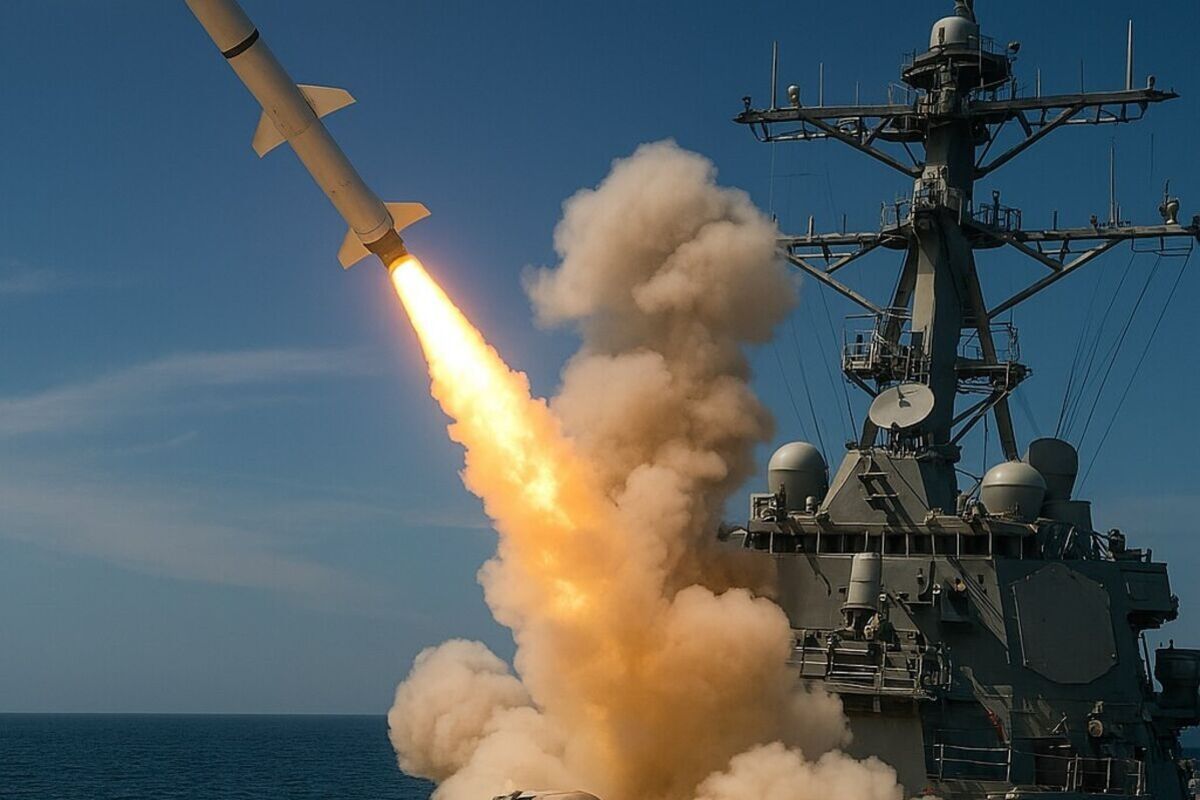
The U.S. launched the attack at 2:00 a.m. Central time with ship-launched Tomahawk cruise missiles and air-launched munitions from U.S. Air Force and Navy jets.
The Pentagon described the operation as a response to what it called "imminent threats" posed by Iran's expanding missile program and its support for militant groups across the region. Iranian officials, however, condemned the attack as an act of aggression and vowed retaliation, setting the stage for a potentially prolonged conflict.
Scope and Targets of the Operation
U.S. forces carried out the strikes using long‑range bombers, naval assets positioned in the Persian Gulf, and precision‑guided missiles launched from bases in the region. Early assessments indicated that the initial wave of attacks focused on:
- Ballistic missile launch sites believed to be capable of striking U.S. forces and allies.
- Revolutionary Guard Corps facilities, including command centers and weapons depots.
- Air defense systems positioned around key Iranian cities.
- Infrastructure tied to Iran's drone program, which U.S. officials say has supplied armed groups in Iraq, Syria, Lebanon, and Yemen.
Iran has retaliated with missile strikes against U.S. bases. The U.S. Naval base at Bahrain has been attacked as well as attacks on U.S. bases in Syria.
Residents in Tehran, Isfahan, and Shiraz reported hearing explosions overnight, and Iranian state media confirmed that several military installations had been hit. Internet outages and disruptions were reported in multiple regions, complicating early assessments of damage and casualties.
U.S. Justification and Strategic Goals
American officials framed the operation as a defensive measure aimed at degrading Iran's ability to threaten U.S. personnel and regional partners. In recent months, U.S. bases in Iraq and Syria have faced repeated drone and rocket attacks attributed to Iranian‑backed militias. Washington has also expressed growing alarm over Iran's missile development and its continued enrichment of uranium beyond limits set in previous nuclear agreements.
Defense analysts noted that the scale of the operation suggests a broader strategic objective: reducing Iran's military capabilities while signaling that the U.S. is prepared to use force to counter what it views as destabilizing actions. Whether the operation remains limited or expands into a wider conflict will depend heavily on Iran's response.
Iran's Reaction and Early Retaliation
Iranian leaders condemned the strikes as a violation of international law and accused the United States of seeking to undermine Iran's sovereignty. The Iranian military reported that it had activated air defense systems nationwide and claimed to have intercepted several incoming missiles, though these claims could not be independently verified.
Iranian state television broadcast images of crowds gathering in major cities, with officials urging national unity and promising a "decisive response."
International Response and Diplomatic Fallout
The sudden escalation drew swift reactions from global leaders. European governments called for an emergency meeting of the United Nations Security Council, warning that the conflict could spiral into a broader regional war. Russia and China criticized the U.S. action, arguing that military force would only deepen instability.
Middle Eastern governments were divided. Some Gulf states expressed support for efforts to counter Iran's missile program, while others urged restraint, fearing that the conflict could spill across borders and disrupt vital shipping lanes in the Strait of Hormuz.
Global oil prices surged immediately after news of the attack, reflecting concerns about potential disruptions to one of the world's most important energy corridors.
Potential Consequences for the Region
Analysts warn that the U.S. attack could reshape the strategic landscape of the Middle East in several ways:
- Expanded proxy conflict: Iran may intensify support for allied militias in Iraq, Syria, Lebanon, and Yemen, increasing the risk of attacks on U.S. and allied forces.
- Threats to global shipping: The Strait of Hormuz, through which a significant share of the world's oil supply passes, could become a flashpoint.
- Domestic pressures inside Iran: The attack comes at a time of economic strain and political tension within Iran, potentially affecting internal stability.
- Diplomatic collapse: Any remaining prospects for reviving nuclear negotiations appear increasingly unlikely.
Diplomats, meanwhile, are working to prevent the conflict from widening.
Outspoken critic of the administration's policies, Congressman Thomas Massie (R-Kentucky) has called for Congress to go into session to invoke the War Powers Act.






Reader Comments(0)