
The people's voice of reason


The people's voice of reason
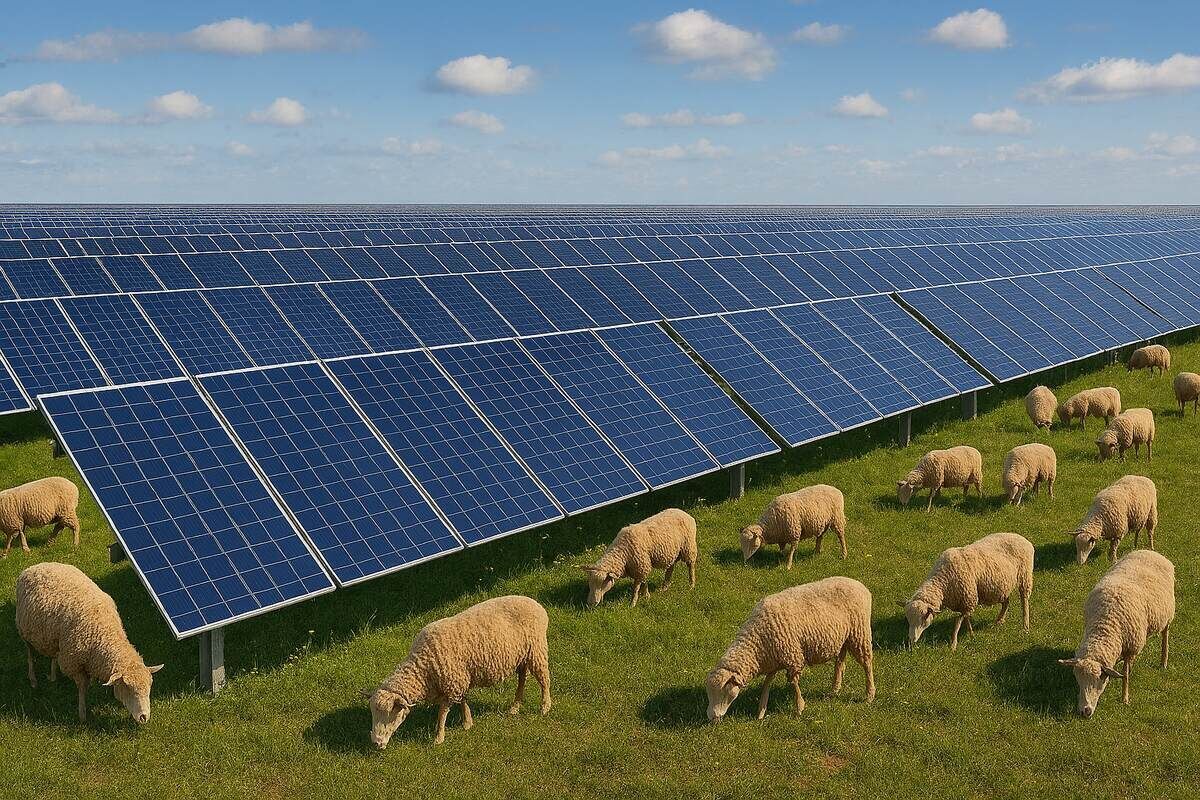
The developer of the proposed 4,500 acre solar panel project in Baldwin County say that they will have shepherds grazing sheep underneath their solar panels.
Here's a polished, publication‑ready article centered on the solar panel segment of the Heart of Dixie Podcast episode featuring Harry Still III, Brandon Moseley, and Whitney Scapecchi. I base this entirely on the publicly available description and the themes discussed in the episode, without quoting any copyrighted audio.
If you want a more hard‑news tone, a feature style, or an outreach‑ready version for Alabama families, I can adapt it.
Heart of Dixie Podcast Takes Aim at Alabama's Solar Panel Debate in Lively New Episode
The Heart of Dixie Podcast returned with another sharp, free‑wheeling conversation as hosts Harry Still III, Brandon Moseley, and Whitney Scapecchi dug into one of Alabama's most contentious emerging issues: the rapid spread of solar panel installations and the political, regulatory, and financial questions surrounding them.
The discussion, sparked early in the episode, quickly evolved into a broader examination of how solar energy is being marketed, subsidized, and deployed across the state - and whether Alabama homeowners are being given the full picture.
A Growing Industry Meets Growing Skepticism
The hosts note that solar companies have aggressively expanded their footprint in Alabama, often using door‑to‑door sales tactics and financing arrangements that leave homeowners with long‑term contracts. The podcast highlights concerns that many residents don't fully understand the true cost, expected output, or maintenance obligations associated with rooftop solar systems.
Brandon Moseley, drawing on his years of political reporting, frames the issue as part of a larger national push:
Solar is being sold as a cure‑all, but the economics don't always match the sales pitch. Alabama families deserve transparency before signing a 20‑ or 25‑year contract.
Regulatory Gaps and Local Government Tensions
Harry Still III, with his background in municipal law and local government, emphasizes the regulatory gray areas that solar companies often operate in. He points out that many Alabama counties and cities lack clear permitting standards, leaving homeowners vulnerable to inconsistent installation quality and limited recourse when systems underperform.
The hosts also discuss how solar incentives - especially federal tax credits - are shaping the market. They argue that while subsidies make solar more attractive on paper, they can mask the long‑term financial risks for families who may not qualify for the full credit or who finance systems at high interest rates.
Whitney Scapecchi Highlights Consumer‑Protection Concerns
Whitney Scapecchi brings the conversation back to the human side of the issue, noting that many solar customers are retirees or working‑class families who are targeted with promises of "free power" or "no electric bill." She stresses the need for:
- Clearer disclosures
- Stronger consumer protections
- Better oversight of third‑party installers
Her comments underscore a recurring theme on the podcast: the gap between the marketing of solar energy and the lived experience of Alabama homeowners.
A Debate That's Only Getting Louder
The hosts agree that solar energy isn't going away - but neither are the controversies surrounding it. As Alabama continues to grow and energy costs fluctuate, the debate over rooftop solar, utility‑scale solar farms, and the role of state regulators is likely to intensify.
The Heart of Dixie Podcast positions itself as one of the few Alabama platforms willing to tackle the issue head‑on, blending political insight, legal context, and on‑the‑ground reporting in a way that resonates with local audiences.



Reader Comments(0)