
The people's voice of reason


The people's voice of reason
March is one of the busiest gardening months of the year in Alabama
March is when Alabama's gardens shift from winter recovery to full spring momentum. Soil warms, daylight stretches, and both cool‑season and warm‑season crops begin overlapping. For gardeners across the state-from the Tennessee Valley to the Gulf Coast-March is one of the busiest and most rewarding months of the year.
🌱 The Seasonal Shift: Why March Matters in Alabama
March marks the true beginning of spring growth. Cool‑season vegetables thrive, fruit trees break dormancy, lawns begin to wake up, and ornamentals push new shoots. It's also the month when timing matters most: planting too early risks frost, but waiting too long means missing the cool-weather window. Alabama's Cooperative Extension highlights March as a key month for planting hardy vegetables, fertilizing shrubs, and preparing lawns.
🥕 Cool‑Season Vegetables: Peak Planting Window
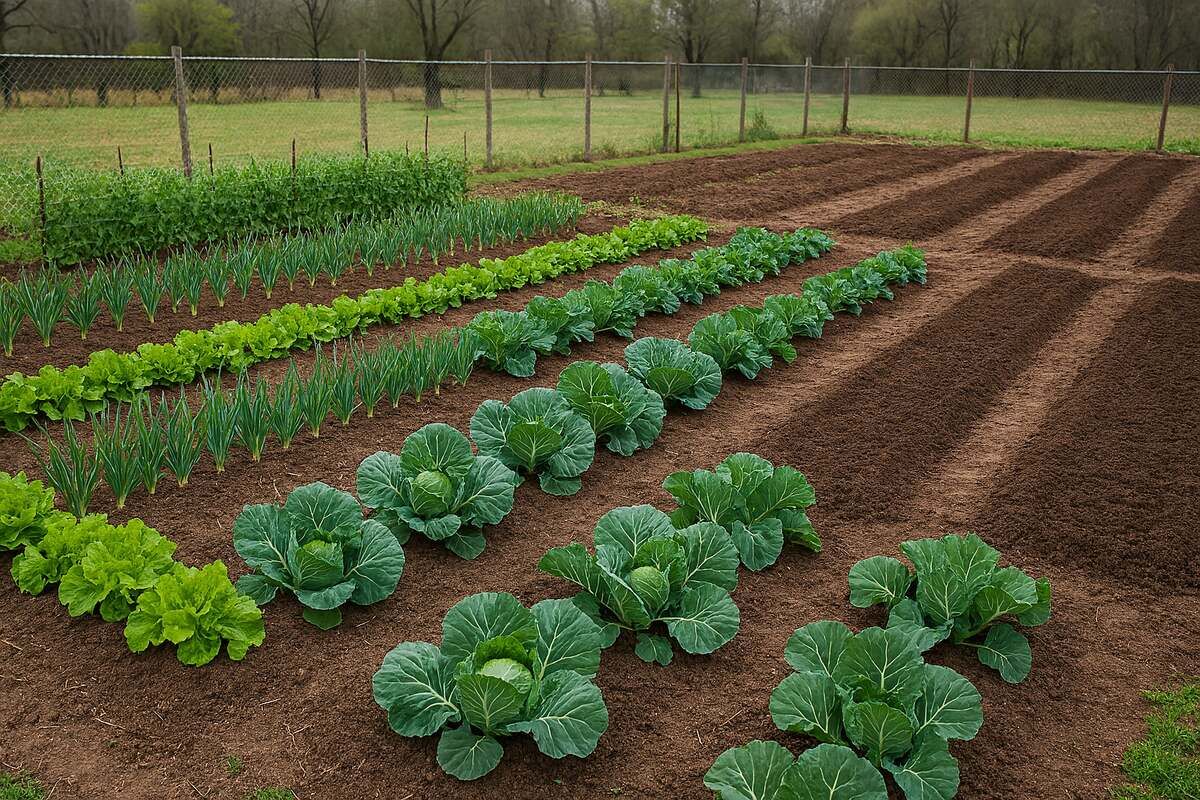
March is prime time for direct‑sowing and transplanting cool‑season crops statewide.
Direct‑sow outdoors
- Peas - thrive in cool soil and should be planted early.
- Leafy greens - lettuce, spinach, kale, mustard, and collards.
- Root crops - carrots, radishes, beets, and turnips.
- Early brassicas - cabbage, broccoli, and cauliflower (transplants or seeds depending on region).
Regional timing differences
- North Alabama: Plant hardy crops recommended for January and February-greens, peas, root crops-through March.
- Central Alabama: Continue planting carrots, lettuce, radishes; transplant onions and asparagus.
- South Alabama: Begin planting sweet corn and squash; late March is suitable for beans, melons, and southern peas.
Soil preparation
- Add compost or well‑rotted manure to boost nutrients.
- Loosen compacted beds to improve drainage.
- Test pH if you haven't since winter.
🍅 Warm‑Season Vegetables: Start the Transition
While most warm‑season crops are planted in April, March is the month to prepare.
In South Alabama
- Harden off tomato, pepper, and eggplant transplants.
- Plant once soil temperatures exceed 65°F and frost risk is minimal.
In Central and North Alabama
- Start seeds indoors for tomatoes, peppers, herbs, and flowers.
- Prepare beds for April planting by adding compost and mulch.
🍓 Fruit Trees, Berries, and Vines
March is a critical month for fruit crops across Alabama.
Planting and maintenance
- Continue planting strawberries and grapes.
- Start planting blackberries.
- Bud apples and peaches as trees begin to break dormancy.
Pruning and care
- Finish dormant pruning early in the month.
- Watch for early pests-aphids, scale, and borers.
- Avoid heavy fertilization until consistent warm weather arrives.
🌳 Shrubs and Ornamentals
Shrubs and flowering plants begin waking up, making March ideal for feeding and shaping.
Fertilizing
- Fertilize shrubs except azaleas and camellias, which prefer later feeding.
- Apply fertilizer based on soil test recommendations.
Planting and pruning
- Plant container‑grown shrubs and perennials.
- Delay pruning of fruiting shrubs (cotoneaster, pyracantha, hollies) until after flowering.
- Begin fertilizing roses and start a spray or dust program to prevent early pests.
Annuals and bulbs
- In South Alabama, plant half‑hardy annuals like geraniums and petunias.
- Plant gladiolus every 2–3 weeks for a staggered bloom season.
- Start dahlias and tuberous begonias in pots.
🌾 Lawns: Waking Up Warm‑Season Grasses
March is the month when lawns begin transitioning out of dormancy.
Warm‑season grasses (Bermuda, Zoysia, Centipede)
- In South Alabama, begin planting sod or sprigs.
- Apply fire ant bait once daytime temperatures consistently exceed 70°F.
Cool‑season grasses (Fescue)
- Fertilize with 1 lb of slow‑release nitrogen per 1,000 sq ft.
Weed control
- Apply pre‑emergent herbicides early in the month.
- If weeds are severe, consider a soil test-weed pressure often signals nutrient imbalance.
🧰 Tools, Equipment, and General Maintenance
March is the perfect time to get your gardening infrastructure in order.
- Check and repair sprayers, dusters, and lawn mowers.
- Clean and sharpen pruning tools.
- Refresh mulch around shrubs and perennials to conserve moisture.
- Inspect irrigation systems before summer heat arrives.
🌼 Landscape Beds and Perennials
Perennials begin pushing new growth in March, making it a good time to divide and transplant.
- Divide daylilies, hostas, and other clumping perennials.
- Cut back ornamental grasses before new shoots appear.
- Add compost around established perennials to boost spring growth.
🌦 Weather Awareness: Frost Still Matters
March weather in Alabama can swing wildly. Warm spells often trick plants into early growth, followed by sudden cold snaps.
- Keep frost cloth, buckets, or sheets ready for tender plants.
- Avoid fertilizing fruit trees too early-this can stimulate vulnerable new growth.
- Watch soil temperatures closely if planting warm‑season crops in South Alabama.
🌻 Planning Ahead for April and May
March is the month to set up success for the rest of spring.
- Prepare trellises for tomatoes, cucumbers, and beans.
- Stock up on mulch before demand spikes.
- Plan succession plantings for greens and root crops.
- Start hardening off seedlings for April transplanting.
🌿 Bringing It All Together
March is one of the most dynamic gardening months in Alabama. Cool‑season crops are at their peak, warm‑season preparations begin, fruit trees and shrubs demand attention, and lawns start waking up. With thoughtful timing and steady effort, March sets the foundation for abundant harvests and vibrant landscapes through spring and summer.
What part of your March garden in Montgomery are you focusing on most this year-vegetables, fruit trees, or your landscape beds?










Reader Comments(0)