
The people's voice of reason


The people's voice of reason
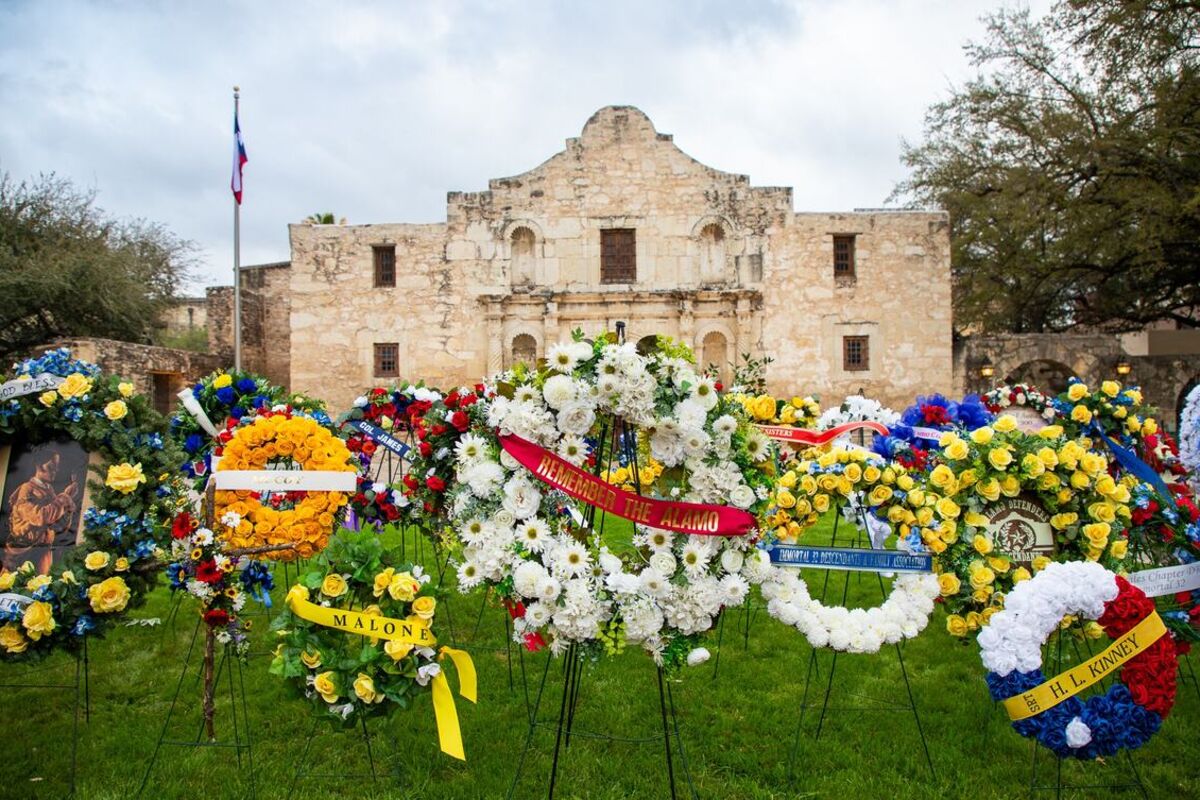
Remembrance of the fallen at the Alamo
The fall of the Alamo on March 6, 1836, stands as one of the most enduring and emotionally charged moments in American history-a story of defiance, sacrifice, and the forging of a new identity on the Texas frontier. What happened inside that battered mission compound over 13 days became far larger than a single battle. It became a rallying cry, a political symbol, and a cultural touchstone that still resonates across the South and the nation.
The Road to the Siege
The Texas Revolution had erupted only months earlier, in October 1835, when Texian settlers-many of them recent arrivals from the American South-rose against the centralizing policies of Mexican President General Antonio López de Santa Anna. Early Texian victories pushed Mexican forces out of much of the region, including San Antonio de Béxar, where the old Spanish mission known as the Alamo stood.
But the triumph was fragile. Santa Anna marched north with a large, disciplined army-estimates range from 1,800 to more than 2,000 soldiers-to crush the rebellion and reassert Mexican authority. The Texian forces, by contrast, were scattered, poorly supplied, and often divided in leadership.
At the Alamo, about 100 defenders initially held the mission. Reinforcements trickled in, including famed frontiersmen James Bowie and former Tennessee congressman David "Davy" Crockett. By the time Santa Anna's vanguard arrived on February 23, 1836, the garrison numbered roughly 185–260 men. They were outnumbered at least eight to one.
Thirteen Days Under Fire
Santa Anna demanded unconditional surrender. The Texians answered with a cannon shot. Enraged, he ordered a siege with no quarter given. For nearly two weeks, Mexican artillery pounded the mission walls while Texian defenders worked tirelessly to repair damage, ration ammunition, and prepare for the inevitable assault.
Inside the Alamo, co-commanders William Barret Travis and James Bowie struggled with illness, dwindling supplies, and the psychological weight of encirclement. Travis's famous "Victory or Death" letter appealed for reinforcements, but only small groups managed to slip through Mexican lines.
The defenders knew the odds. Yet they stayed.
The Final Assault: March 6, 1836
Before dawn, Santa Anna launched a full-scale attack. Columns of Mexican infantry advanced under the cover of darkness, climbing ladders and swarming the walls. Texian cannon and rifle fire repelled the first two waves, but the third broke through.
Once inside, Mexican troops overwhelmed the defenders in brutal close-quarters combat. Many Texians fell back into the chapel and barracks, making their last stand room by room. Those who attempted to flee were cut down by cavalry outside the walls.
By sunrise, the battle was over. Nearly all 187 defenders were dead, including Travis, Bowie, and Crockett. Mexican casualties were significant-official reports list around 60 killed and 250 wounded, though Texian estimates ran much higher.
A handful of noncombatants, including women, children, and enslaved people, were spared and sent to spread word of the defeat.
Shockwaves Across Texas
Santa Anna believed the massacre would terrify the rebellion into submission. Instead, it ignited a firestorm. News of the Alamo's fall triggered both panic and resolve. Settlers fled eastward in what became known as the Runaway Scrape, but hundreds of new volunteers also rushed to join General Sam Houston's army.
The cry "Remember the Alamo!" became a unifying call for vengeance and independence.
Just six weeks later, on April 21, 1836, Houston's forces surprised Santa Anna at the Battle of San Jacinto. In a swift, decisive victory, the Texians captured the Mexican president and forced him to sign the Treaties of Velasco, securing Texas independence. The Alamo's defenders, once a doomed garrison, became martyrs whose sacrifice helped birth a republic.
The Alamo's Place in American Memory
Over the decades, the Alamo evolved from a military site into a symbol. In the 19th century, Texans increasingly celebrated the battle as a foundational moment of courage and resistance. The Texas Legislature eventually purchased the site and designated the chapel as an official state shrine.
The story of the Alamo has been retold in countless books, films, and songs, often romanticized but always powerful. It speaks to themes that resonate deeply across the South and especially in places like Alabama, where frontier heritage, military service, and the idea of standing firm against overwhelming odds hold cultural significance.
For many, the Alamo represents the belief that ordinary people-farmers, volunteers, immigrants, and adventurers-can shape history through grit and conviction. It also invites reflection on the complex realities of the Texas Revolution, including the diverse backgrounds of its defenders and the political tensions that fueled the conflict.
Why the Alamo Still Matters
The fall of the Alamo endures because it captures a universal story: a small group of people choosing principle over survival. Their stand did not win the battle, but it changed the course of the war. It transformed a regional uprising into a movement with a rallying cry that still echoes nearly two centuries later.
For communities across the South, including Alabama, the Alamo offers a lens to explore themes of sacrifice, identity, and the cost of freedom-topics that continue to shape civic life and historical storytelling today.







Reader Comments(0)