
The people's voice of reason


The people's voice of reason
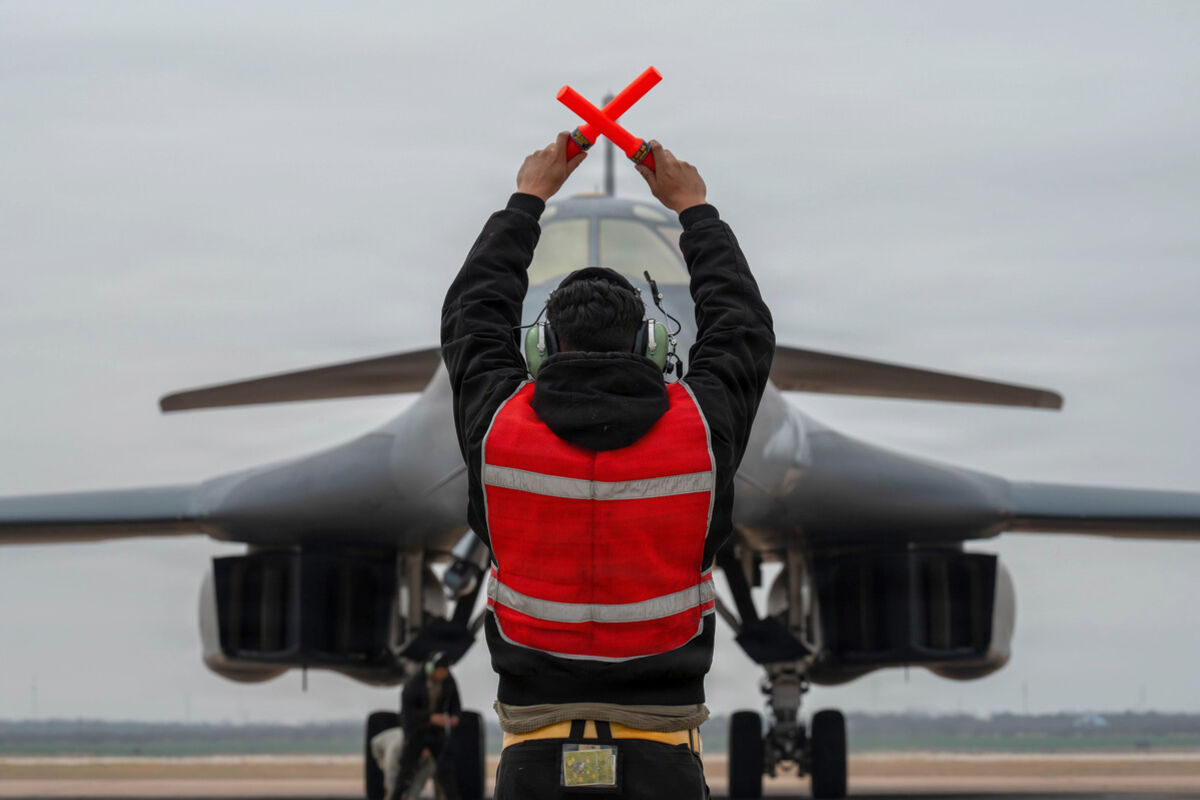
A B1 bomber having just returned from a mission as part of Epic Fury
March 10, 2026 - TAMPA, Ala - A new analysis circulating online claims that a coordinated U.S. bomber campaign-featuring B‑2 stealth bombers, B‑1 Lancers, and B‑52 Stratofortresses-has allegedly collapsed major sections of Iran's underground military tunnel network, long considered one of Tehran's most important strategic assets. A recent video, published by PPR Global, frames the strikes as part of a broader operation referred to as Epic Fury, describing it as one of the most consequential blows ever dealt to Iran's ballistic‑missile infrastructure.
The Target: Iran's Deep Underground Tunnel Systems
For more than a decade, Iran has invested heavily in vast subterranean complexes-often called "Missile Cities"-designed to store, transport, and launch ballistic missiles shielded beneath mountains. These networks include the Imam Ali Base near Khorramabad and extensive tunnel systems near Tabriz. According to the video's analysis, these facilities span dozens of kilometers and reach depths of hundreds of meters, making them difficult to detect and even harder to destroy.
The PPR Global report asserts that these tunnels became a liability once U.S. forces deployed specialized bunker‑buster munitions capable of penetrating deep into reinforced rock.
The Strike Package: B‑2s, B‑1s, B‑52s, and the GBU‑57 MOP
The military's use of the GBU‑57 Massive Ordnance Penetrator (MOP)-a 30,000‑pound precision weapon designed to burrow through up to 60 meters of rock before detonating. According to the analysis, these munitions were delivered primarily by B‑2 stealth bombers, whose low‑observable design allowed them to approach Iranian airspace undetected.
The report claims:
- B‑2 bombers initiated the assault by targeting key support columns and tunnel entrances.
- B‑1 Lancers followed with additional deep‑penetration strikes to widen collapses.
- B‑52 Stratofortresses, operating from forward positions in the United Kingdom, provided sustained bombardment to ensure the tunnels could not be reopened.
The video further alleges that U.S. cyber operations blinded Iranian air‑defense systems, enabling the bombers to operate with minimal resistance.
Claimed Impact: Entrances Sealed, Ventilation Destroyed, Forces Trapped
One of the most dramatic assertions in the analysis is that the strikes sealed off major tunnel entrances and destroyed ventilation shafts, leaving "hundreds of thousands" of Iranian personnel trapped underground without air or communication. The video claims that as much as 86% of Iran's ballistic‑missile capacity was neutralized as a result of the operation.
These claims have not been independently verified, and the video itself notes that it is based on a geopolitical analysis article from milscopex.com.
Strategic Implications
If accurate, the destruction of Iran's underground missile infrastructure would represent a major shift in the regional balance of power. Iran's tunnel networks have long been central to its deterrence strategy, allowing it to disperse missiles across hardened, concealed locations.
The analysis suggests several implications:
- Reduced missile survivability: Without deep tunnels, Iran's missile forces would be more vulnerable to preemptive strikes.
- Psychological pressure: The forward deployment of B‑52s to the U.K. is framed as a deliberate show of sustained force.
- Operational paralysis: The alleged trapping of large numbers of Iranian troops-if true-would create a humanitarian and military crisis simultaneously.
Again, these are claims made by the video's producers and their cited sources, not confirmed by independent reporting.






Reader Comments(0)