
The people's voice of reason


The people's voice of reason
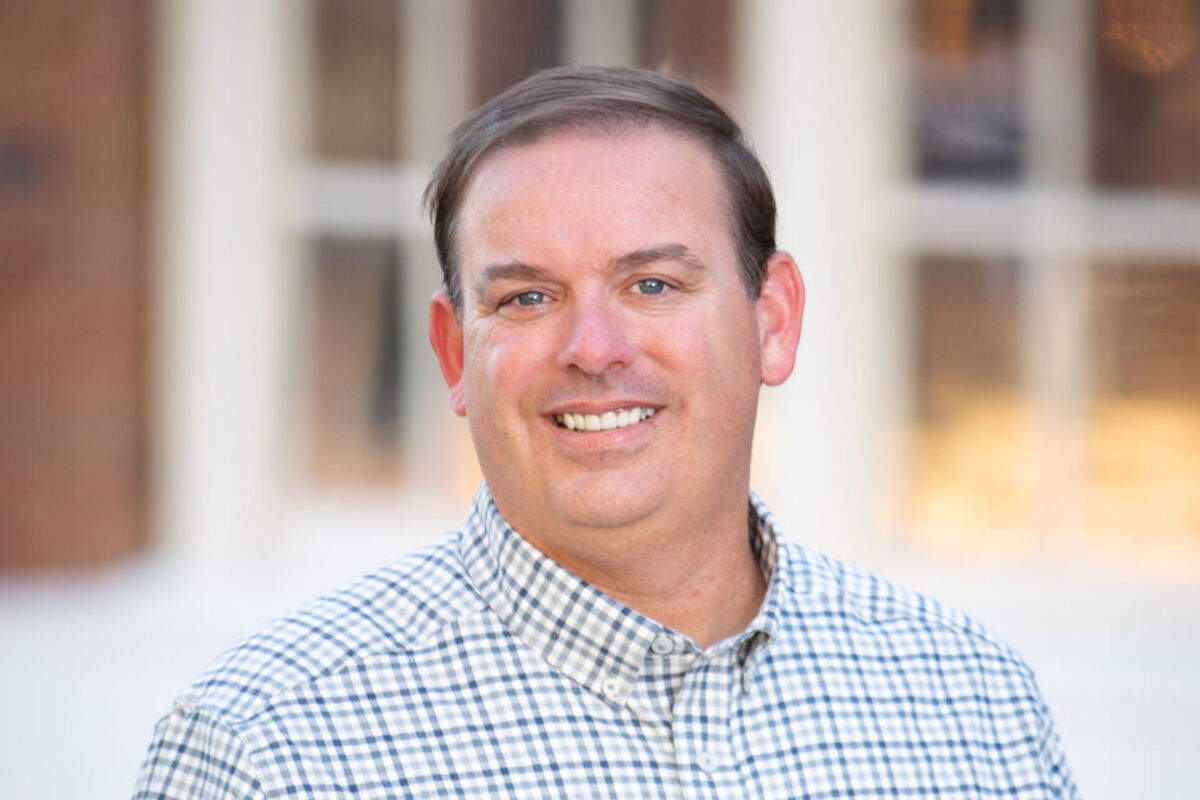
State Senator Matt Woods
March 19, 2026 – MONTGOMERY, Ala. - The Alabama Senate passed House Bill 7 (HB7), a major public‑safety and school‑discipline measure designed to address the problem of people making terroristic threats – particularly to schools, churches, and hospitals.
HB7 is sponsored by state Representative James Lomax (R-Huntsville) and is carried in the Senate by Senator Matt Woods (R-Jasper).
HB7 updates several sections of the Alabama Code to more clearly define what constitutes a credible threat, revising the elements of first‑ and second‑degree terrorist threats. The bill increases penalties for both offenses, reflecting lawmakers' concerns about rising threats made toward schools, public buildings, and community institutions.
Woods explained that making a terrorist threat in the, "First degree would be a B- felony where the threat would be at a church, hospital, or school." "2 to 20 years (in prison) for a Class B felony. Class C would be 1 to 10 years,"
Senator Rodger Smitherman (D-Birminngham) asked Woods what motivated him to get behind this legislation.
"I have got a daughter in public schools and I have eight nieces and nephews in public school," said Woods. "We had six lockdowns in the first four week of school (in Jasper). I was hearing from teachers, students, and administrators who were asking if it was safe to go to school."
Woods said that he also heard from clinicians who were treating children who were as young as six and seven who were so scared by the threats of violence against them and their classmates that they were, "So upset they were going to school to be prescribed anti-anxiety medication."
"Schools should be focused on learning and not fear of going everyday," due to terroristic threats said Woods. "We have a hard time recruiting teachers as it is now without them fearing for their safety."
Woods explained that every time someone phones in or texts a terroristic threat that they are going to shoot up or bomb a school that forces police and sheriff's offices to send in the bomb squad or tactical squads to make sure that the threat is not a clear and present danger to the students and teachers.
"There is a cost associated with that. and it is the taxpayers who are having to shoulder this," Woods said. "Not every child who does this will carry it out, but they may be crying out for help."
In addition to the enhanced penalties for a criminal conviction for this crime HB7 requires that school administrators report threats immediately and enforce discipline. For children who make these sort of threats Woods explained that the bill includes mental health counseling and other measures before a child can be admitted back into the regular classroom with his or her peers.
"We are going to put some guard rails in place so that that child who is calling out for help gets the help that they need," Woods explained. "Is the child just going into the classroom? This puts a filter in place,"
Woods said that the amendment to the bill was made in consultation with the school superintendents, the AEA, and advocates for students with special needs to make the bill more sensitive to the behaviorally impaired.
Sen. Smitherman thanked Woods for being willing to make those changes to the legislation.
Under the bill: A credible threat is more precisely defined, including what constitutes a reasonable fear of harm. Penalties for first‑ and second‑degree terrorist threats are strengthened. A new section (§13A‑10‑243) is added to require mandatory restitution for anyone convicted of making a terroristic threat. Restitution may cover costs incurred by property owners, law enforcement, emergency responders, and schools, with a cap of $10,000.
HB7 is expected to have a major Impact on Alabama public K‑12 and charter schools. The bill requires: Immediate notification of law enforcement by school principals when a student's conduct could warrant a charge of first‑ or second‑degree terrorist threat. Automatic suspension of at least one year for any student charged with either offense. Strict readmittance conditions, including parental involvement and compliance with district discipline plans. HB7 also directs school districts to adopt a uniform statewide safe‑school and drug‑free policy, further standardizing discipline procedures across Alabama.
HB7 – as amended by the Senate – passed the Alabama Senate by a vote of 29 to 3. Senators Linda Coleman-Madison (D-Birmingham), Merika Coleman (D-Pleasant Grove), and Kirk Hatcher (D-Montgomery) were the only Senators in opposition.
Because the Senate amended the bill. It now has to go back to the House for a vote on whether or not to accept the Senate changes.
HB7 is part of a broader legislative trend in Alabama focused on school safety, accountability, and criminal penalties for threats made toward public institutions.
To comment or to ask a question email: brandonmreporter@gmail.com




Reader Comments(0)