
The people's voice of reason


The people's voice of reason
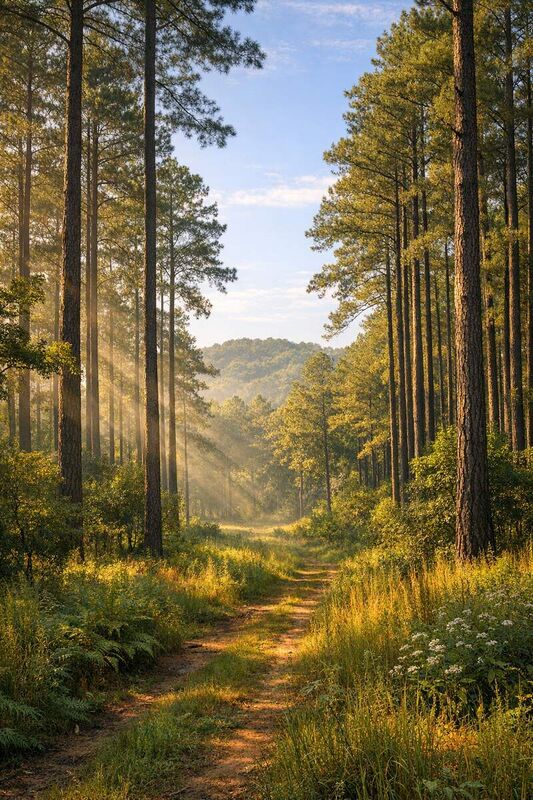
71% of Alabama is forested. The closing of the Coosa Pines Mill is going to severely impact forestland owners.
March 26, 2026 - CHILDERSBURGH, Ala. - When Domtar announced it would indefinitely idle its Coosa Pines fluff pulp mill in Talladega County in May 2026, the news landed like a thunderclap across central Alabama. The 75‑year‑old facility-one of the region's most recognizable industrial anchors-will halt operations due to challenging market conditions, high operating costs, and aging infrastructure. The decision affects 285 employees directly, but the impact stretches far beyond the mill gates. For Alabama's farmers, timber growers, and rural landowners, the closure represents a seismic shift in a sector that has shaped the state's economy and landscape for generations.
A Mill That Helped Build Modern Alabama
Coosa Pines has long been more than a workplace. Since the 1950s, the mill has served as a stabilizing force in Talladega County, providing steady jobs, supporting local businesses, and anchoring a supply chain that reaches deep into Alabama's forests. Its specialty-fluff pulp used in absorbent products like diapers and hygiene goods-made it a globally relevant facility even as other paper mills shuttered or consolidated.
But the economics of pulp production have tightened. Global competition, rising energy costs, and the expense of maintaining aging infrastructure created a financial headwind Domtar could no longer ignore. Company officials described the decision as necessary but difficult, acknowledging the mill's legacy and the people who kept it running for decades.
The Human Cost: 285 Jobs and a Community in Transition
For the nearly 300 employees who will be displaced, the closure is a deeply personal blow. Many have spent their entire careers at Coosa Pines, following parents and grandparents who worked the same shifts and walked the same floors. The mill's shutdown means Talladega County will lose one of its highest‑paying industrial employers, and the ripple effects will touch restaurants, contractors, equipment suppliers, and service providers who depend on mill traffic.
Local leaders are already bracing for the economic aftershocks. While state and county officials will likely pursue redevelopment or recruitment opportunities for the site, replacing a facility of this scale-and the specialized jobs it provided-will not happen quickly.
A Major Shock to Alabama's Timber Economy
Beyond the immediate job losses, the closure sends tremors through Alabama's vast forest economy. The state is one of the nation's top timber producers, and pulpwood markets are essential to keeping that system healthy. Coosa Pines has long been a major buyer of southern yellow pine pulpwood, chips, and residuals from sawmills. Its absence will reshape supply chains across central and east Alabama.
For farmers and landowners who grow timber as a cash crop, the mill's idling represents a sudden loss of a dependable market. Many rely on pulpwood sales to thin young stands, manage forest health, and generate periodic income. Without Coosa Pines, competition among mills for raw material will tighten, hauling distances will increase, and prices paid to landowners may fall.
Why Pulp Mills Matter to Farmers and Landowners
Timber isn't just a forestry issue-it's an agricultural one. Thousands of Alabama farmers manage mixed operations that include row crops, cattle, and timber stands. For many, timber provides long‑term financial stability, helping offset bad crop years or fluctuating commodity prices.
Pulp mills like Coosa Pines play a crucial role in that system:
They buy low‑grade wood that isn't suitable for lumber but is essential for thinning forests.
They create competition, which helps keep prices fair for landowners.
They reduce hauling distances, which is critical because transportation is often the largest cost in timber harvesting.
They support rural logging crews, many of whom operate on thin margins.
With one less major buyer in the region, landowners may face fewer options and lower returns. Some may delay thinning operations, which can lead to overcrowded stands, slower growth, and increased wildfire risk. Others may shift management strategies entirely, planting fewer acres or converting land to other uses.
Impact on Loggers and Rural Contractors
Logging crews-already squeezed by equipment costs, insurance rates, and volatile fuel prices-will feel the pressure immediately. Many built their business models around hauling to Coosa Pines. Longer hauls to more distant mills mean higher costs and fewer loads per day, reducing profitability.
Rural contractors who provide services like road building, equipment repair, and trucking will also feel the strain. The forest industry is interconnected, and when one major node disappears, the entire network feels the stress.
A Turning Point for Alabama's Forest Future
The closure raises broader questions about the future of Alabama's pulp and paper sector. While the state remains a national leader in timber production, its industrial base has shifted. Several mills have modernized or expanded, but others have closed or reduced capacity. Coosa Pines' idling underscores the need for continued investment, innovation, and diversification in forest‑based manufacturing.
State officials and industry groups will likely explore options to attract new buyers, expand existing mills, or repurpose the Coosa Pines site. Some see potential in emerging markets such as biomass, engineered wood products, and sustainable packaging. But transitions of this scale take time, and landowners will feel the pinch in the meantime.
A Community Looking Ahead
For Talladega County, the coming months will be marked by uncertainty but also resilience. Alabama communities have weathered industrial transitions before, and the region's workforce, infrastructure, and natural resources remain strong assets. Still, the loss of Coosa Pines is a reminder of how deeply intertwined Alabama's forests, farms, and families truly are.
The mill may be idling, but the story of Alabama's timber economy continues-and its next chapter will depend on how the state responds to this moment of change.








Reader Comments(0)