
The people's voice of reason


The people's voice of reason
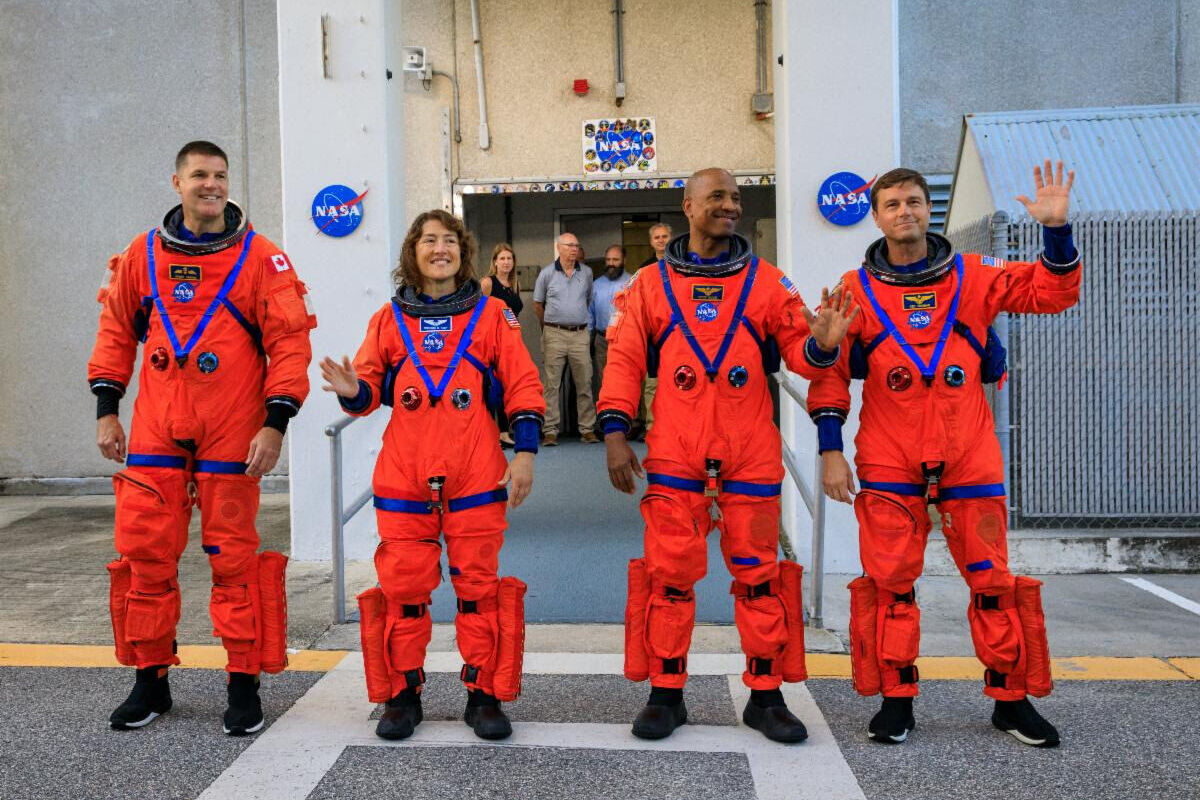
The crew of the Artemis mission
NASA is preparing for a major milestone in its return to the Moon, unveiling a full lineup of prelaunch, launch, and mission events for the Artemis II test flight. All activities will stream across the agency's digital platforms, giving the public front‑row access to the first crewed mission of the Artemis program.
The agency is targeting no earlier than Wednesday, April 1, for liftoff during a two‑hour launch window opening at 5:24 p.m. CDT, with additional opportunities available through Monday, April 6.
A Historic Mission Around the Moon
Artemis II marks NASA's first crewed journey under the Artemis program and the first human mission to travel around the Moon in more than five decades. Launching from Kennedy Space Center in Florida, the mission will send NASA astronauts Reid Wiseman, Victor Glover, Christina Koch, and Canadian Space Agency astronaut Jeremy Hansen on an approximately 10‑day flight.
The mission will test the Orion spacecraft's life support systems with astronauts aboard for the first time, laying the foundation for future lunar surface missions and, eventually, human exploration of Mars.
How to Watch
NASA will provide comprehensive coverage on its YouTube channel, with each event receiving its own dedicated stream. Additional information on how to watch NASA content across social platforms is available on the agency's website.
A full schedule of Artemis II coverage can be found at:
All times below are now listed in Central Daylight Time (CDT).
Highlighted Prelaunch and Launch Events
Friday, March 27
1:30 p.m. CDT – NASA Administrator Jared Isaacman, CSA President Lisa Campbell, and other agency leaders will welcome the Artemis II crew as they arrive at Kennedy Space Center. Astronauts will take questions from attending media.
Sunday, March 29
8:30 a.m. CDT – The crew will answer reporters' questions virtually from their quarantine facility.
1 p.m. CDT – NASA will hold a launch status news conference.
Monday, March 30
4 p.m. CDT – Following a mission management meeting, NASA will provide an update on launch preparations.
Tuesday, March 31
12 p.m. CDT – NASA will host its prelaunch news conference.
Wednesday, April 1 – Launch Day
6:45 a.m. CDT – Coverage begins for tanking operations as propellant is loaded into the Space Launch System (SLS) rocket.
11:50 a.m. CDT – NASA+ begins live launch coverage, continuing on YouTube after Orion's solar arrays deploy.
Approximately 1.5 hours after launch, NASA will hold a postlaunch news conference following the SLS upper stage burn that sends Orion and its crew toward high Earth orbit.
Mission Coverage
NASA will maintain 24/7 real‑time coverage on YouTube throughout the mission. A separate live stream will share views from Orion as bandwidth allows.
Daily mission status briefings from NASA's Johnson Space Center will begin Thursday, April 2, except for April 6, when the crew conducts lunar flyby operations.
The astronauts will participate in several live conversations during the mission, with exact times posted on the Artemis blog and NASA's launch events page.
Additional Resources
NASA Website Coverage
- Countdown and mission updates: Artemis blog
- Latest imagery: Artemis II Multimedia
- Track Orion in real time: nasa.gov/trackartemis
Virtual Launch Attendance
The public can register as virtual guests, receiving curated resources, mission updates, and a virtual passport stamp after launch.
Looking Ahead: The Artemis Era
Artemis II represents a crucial step in NASA's broader vision for a new era of exploration. The agency plans increasingly ambitious missions to unlock scientific discoveries, expand economic opportunities, and prepare for the first human journeys to Mars.
More information about the Artemis program is available on NASA's website.








Reader Comments(0)