
The people's voice of reason


The people's voice of reason
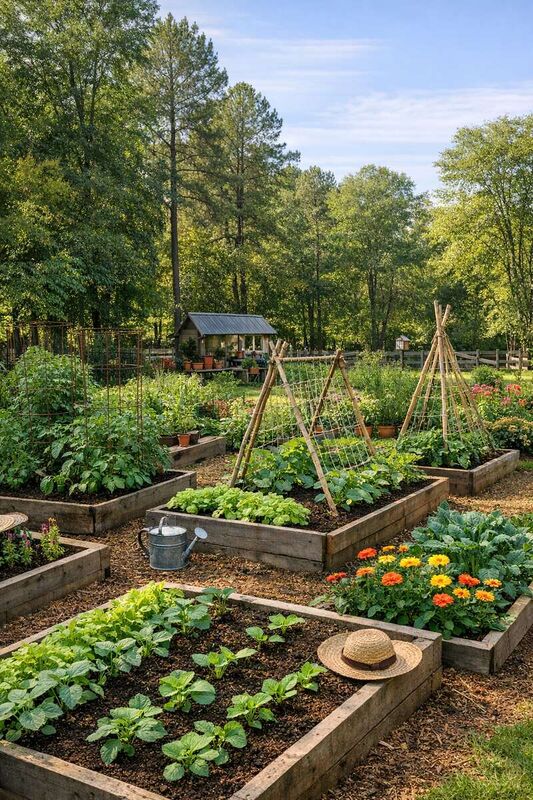
Alabama garden in mid-April
Alabama - April marks one of the most active and rewarding months of the gardening year across Alabama, as warm days, mild nights, and steady rainfall create ideal conditions for planting, pruning, and preparing landscapes for the growing season. From the Tennessee Valley to the Gulf Coast, gardeners are stepping into a month that sets the tone for summer harvests and healthy landscapes.
With soil temperatures rising and the last frost dates behind most of the state, April is the moment when Alabama gardens truly come alive.
Warm‑Season Planting Begins in Earnest
By early to mid‑April, conditions are favorable for planting a wide range of warm‑season vegetables. Gardeners across Alabama can confidently begin setting out:
Tomatoes
Peppers
Squash and zucchini
Cucumbers
Sweet corn
Beans
Eggplant
Okra (especially in South Alabama)
In southern counties, gardeners may already be harvesting early spring crops while transitioning beds to summer production. In central and northern Alabama, April is the green light for transplanting tender vegetables outdoors.
Flower Beds and Ornamentals Enter Peak Planting Season
April is also prime time for refreshing flower beds and adding color to landscapes. Popular warm‑season annuals thrive when planted this month, including:
Marigolds
Petunias
Zinnias
Begonias
Impatiens
Vinca
Sunflowers
Perennials such as daylilies, coneflowers, and black‑eyed Susans can also be planted now, giving them time to establish strong root systems before summer heat arrives.
Shrubs and ornamental grasses benefit from April planting as well, especially when paired with mulch to retain moisture and suppress weeds.
Lawn Care: Growth Surges Across the State
Warm‑season grasses - including Bermuda, Zoysia, Centipede, and St. Augustine - begin active growth in April. Key tasks for homeowners include:
Scalping or lowering the mower height to remove winter thatch
Applying pre‑emergent herbicides if not done in March
Fertilizing warm‑season lawns once consistent growth is visible
Overseeding bare patches with warm‑season grass seed
Cool‑season lawns (fescue, rye) in North Alabama may need light fertilization and continued mowing as temperatures rise.
Fruit Trees, Berries, and Vines Require Attention
April is a critical month for fruit‑bearing plants:
Blueberries: Mulch heavily and monitor for early pests.
Blackberries: Tie up new canes and remove dead ones.
Peaches and plums: Thin fruit to improve size and reduce limb stress.
Figs: Prune lightly and fertilize as new growth emerges.
Grapes and muscadines: Begin training vines and checking trellises.
Pollinators are increasingly active this month, making it an ideal time to plant nectar‑rich flowers and avoid unnecessary pesticide use.
Weed and Pest Pressure Ramps Up
With warmer temperatures come the first major waves of spring pests:
Aphids
Whiteflies
Caterpillars
Fire ants
Early fungal diseases (especially after heavy rain)
Gardeners are encouraged to inspect plants regularly, use mulch to suppress weeds, and apply treatments only when necessary to avoid harming beneficial insects.
April Is the Month of Momentum
Across Alabama, April is the month when gardens shift from planning to action. Beds are planted, lawns awaken, fruit trees set their first crops, and landscapes begin their transition into full spring color.
For gardeners, the work done in April determines the success of the months ahead - from summer tomatoes to fall harvests and year‑round ornamental health.







Reader Comments(0)