
The people's voice of reason


The people's voice of reason
In Louisiana, a seafood boil isn't just a meal - it's an event, a gathering, a reason for friends and family to crowd around a newspaper‑lined table and eat with their hands. The aroma of cayenne, garlic, citrus, and brine drifting from a steaming pot is as much a part of the state's cultural identity as jazz or Mardi Gras. Preparing a shrimp and crawfish boil for six to eight people is surprisingly straightforward, but it rewards patience, bold seasoning, and a willingness to embrace the joyful chaos of communal eating.
Setting the Stage
A proper boil begins long before the pot hits the burner. For a group of six to eight, plan on 10–12 pounds of live crawfish and 2–3 pounds of Gulf shrimp, preferably head‑on for maximum flavor. Add to that a few pounds of small red potatoes, a dozen ears of corn (halved), smoked sausage, whole garlic bulbs, onions, lemons, and your preferred boil seasoning.
Louisiana cooks tend to fall into two camps: those who swear by commercial blends like Zatarain's or Louisiana Fish Fry, and those who mix their own. Either approach works, but the key is generosity. A boil should be aggressively seasoned in the pot, then allowed to soak so the seafood absorbs every bit of spice.
Preparing the Crawfish
Live crawfish need a quick purge before cooking. Place them in a large tub or cooler, cover with cool water, and gently stir to remove mud and debris. Drain and repeat until the water runs mostly clear. Contrary to myth, adding salt doesn't "clean" crawfish - it only stresses them - so fresh water is enough.
Keep the crawfish cool and shaded until cooking time. They should be lively; discard any that are dead before they hit the pot.
Building the Boil
A traditional Louisiana boil is cooked outdoors in a large stockpot or propane‑fired boil pot. Fill the pot halfway with water, then add your seasonings: a full bag of commercial boil mix, plus extra cayenne, garlic powder, bay leaves, and black pepper if you like more heat. Halved lemons, quartered onions, whole garlic bulbs, and a few sticks of celery deepen the broth.
Bring the seasoned water to a rolling boil. This is the foundation of the entire meal - the flavor base that will season every potato, ear of corn, and crawfish tail.
Cooking in Stages
A boil is built in layers, each ingredient added according to how long it needs to cook.
- Potatoes go first, simmering for 10–12 minutes until they begin to soften.
- Smoked sausage follows, adding its own richness to the broth.
- Corn on the cob goes in next, needing only about 5–7 minutes.
- Crawfish are added once the vegetables are nearly done. They cook quickly - about 3–5 minutes after the water returns to a boil.
- Shrimp go in last, needing only 2–3 minutes until they turn pink and firm.
Once the seafood is cooked, turn off the heat and let everything soak. This is the secret to a Louisiana boil. A 15–20 minute soak allows the crawfish and shrimp to absorb the spices, while the potatoes and corn become deeply seasoned. Taste a crawfish tail after 10 minutes; if it needs more heat or salt, adjust the seasoning directly into the pot and continue soaking.
Serving the Feast
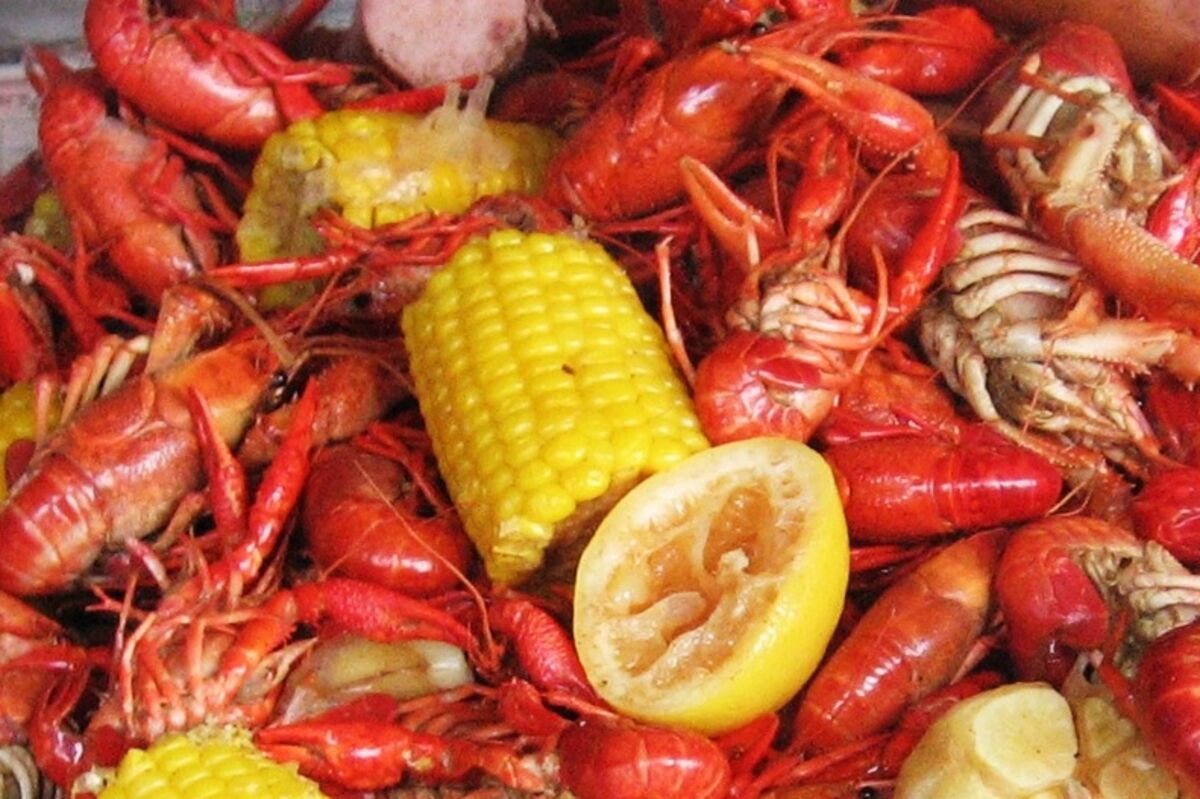
A boil is meant to be served family‑style. Spread newspapers or butcher paper across a long table, then lift the basket from the pot and pour the entire feast down the center. Crawfish, shrimp, sausage, potatoes, and corn tumble together in a colorful, aromatic pile. Add lemon wedges, melted butter, and extra seasoning on the side.
Eating crawfish is an art form: twist the tail from the body, peel the shell, and enjoy the sweet meat. Some insist on "sucking the head," where the spices and juices collect - a hallmark of true Louisiana flavor.
A Meal Meant for Community
What makes a Louisiana boil special isn't just the food but the experience. It's the laughter, the shared platters, the spice‑tinged fingers, and the slow pace of a meal meant to be savored. For six to eight people, a shrimp and crawfish boil is the perfect size - intimate enough for conversation, abundant enough to feel like a celebration.
In Louisiana, a boil is more than cooking. It's hospitality, heritage, and the simple joy of gathering around a table piled high with seafood and stories.








Reader Comments(0)