
The people's voice of reason


The people's voice of reason
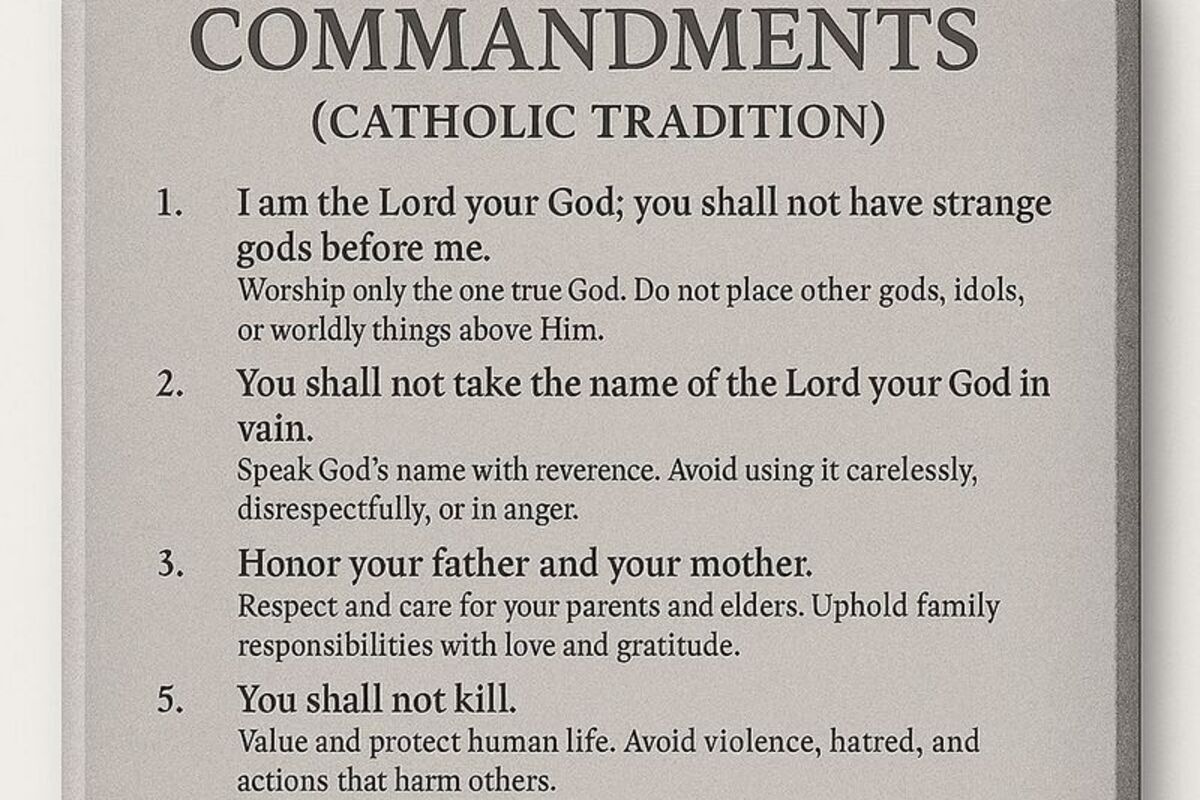
NEW ORLEANS, Lou.- April 21, 2026 - A divided U.S. federal appeals court ruled that the state of Texas can require public schools to display the Ten Commandments in every classroom.
The ruling reverses a lower court judge who had blocked the law from being implemented in the Lone Star State. The 9 – 7 ruling does not directly impact Alabama, because it is in the 5th Circuit and Alabama is in the 11th Circuit; but the ruling does set a precedent which the state will use (if necessary) to defend its own Ten Commandments law.
Alabama Governor Kay Ivey (R) on April 10 signed Senate Bill 99, a measure that will require the display of the Ten Commandments and accompanying historical context in Alabama public schools, contingent on donated materials or funding.
The Alabama legislation was sponsored by State Senator Keith Kelley (R‑Anniston) and State Representative Mark Gidley (R‑Hokes Bluff). It directs schools to place the Ten Commandments alongside an explanation of their historical significance. The displays may not be purchased with state dollars; instead, they must be provided through private donations or donated funds.
Texas Senate Bill 10 was enacted last year and requires a poster of the Ten Commandments to be displayed in a visible spot in every public elementary and secondary school classroom in the state.
The majority's ruling was written by Circuit Judge Stuart Kyle Duncan and joined by Chief Judge Jennifer Walker Elrod along with seven of their colleagues. They ruled that the law does not violate the U.S. Constitution's prohibition on government establishment of religion or its protection of the free exercise of religion.
The Texas law "does not tell churches or synagogues or mosques what to believe or how to worship or whom to employ as priests, rabbis, or imams," Duncan wrote. "It punishes no one who rejects the Ten Commandments, no matter the reason."
The plaintiffs who had challenged the Texas law said that they were disappointed by the ruling.
"The court's ruling goes against fundamental First Amendment principles and binding U.S. Supreme Court authority," Jon Youngwood said. "The First Amendment safeguards the separation of church and state, and the freedom of families to choose how, when and if to provide their children with religious instruction."
Youngwood said that the plaintiffs will ask the U.S. Supreme Court to reverse this decision.
Texas Attorney General Ken Paxton said that the decision was, "a major victory for Texas and our moral values. Ten Commandments have had a profound impact on our nation, and it's important that students learn from them every single day."
Dissent, 5th Circuit Judge Irma Carrillo Ramirez said that the appeals court was bound by a 1980 U.S. Supreme Court decision which struck down Kentucky's Ten Commandments law.
An appeal by the anti-Christian parents will give the current Supreme Court the opportunity to revisit that controversial 1980 decision – either upholding it and finding for the parents or finding for Texas and creates a precedent which legislatures could use to open up the adoption of more religious content in the public schools.
Either way a Supreme Court ruling on this will likely impact the Alabama Ten Commandments law.
The 5th Circuit's ruling reversed a preliminary injunction which had blocked the Texas law from being implemented.
(Based on original reporting by USA Today.)
To comment or to ask a question email: brandonmrepporter@gmail.com


Reader Comments(0)