
The people's voice of reason


The people's voice of reason
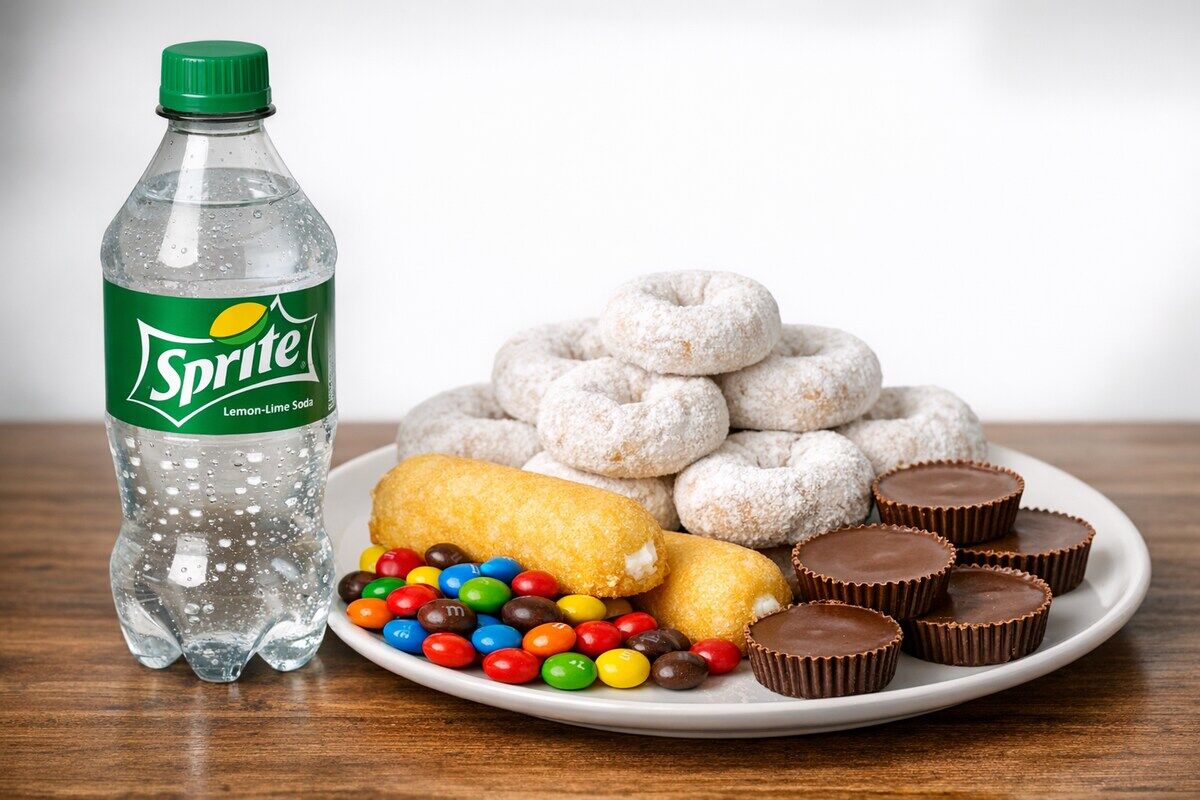
Americans sugar filled diet contributes to our nation's obesity issues
April 9, 2026 – MONTGOMERY, Ala. – The Alabama Legislature passed and sent to the governor legislation to request a waiver to ban sugary snacks, sodas, and energy drinks from being purchased with Supplemental Nutrition Assistance Program (SNAP) benefits.
Senate Bill 57 (SB57) is sponsored by State Senator Arthur Orr (R-Decatur).
Sen. Orr has said that the bill is a public‑health measure and is necessary given that Alabama ranks as one of the most obese in the nation. Orr stated that reducing access to sodas and sugar filled processed foods "is good policy" for the state.
Representative Reed Ingram (R-Montgomery) carried the bill in the House.
The Senate passed the legislation. It was amended in the House. The Senate did not concur with the House changes, so they voted to sed it to a six-member conference committee that included Orr and Ingram. On the last day of the Alabama regular legislative session the House voted to pass the conference committee version of the bill on a largely party line vote 77 to 22. The Senate passed the final version of SB57 unanimously with bipartisan support 33 to 0.
According to the Center on Budget and Policy Priorities 752,200 Alabama residents (about 15% of the state's population) received SNAP benefits in FY 2024. Approximately 39% of those SNAP participants are children (about 290,000). More than 67% of Alabama SNAP participants are in families with children.
According to a study by the CATO Institute 19 percent of American children are clinically obese; but 26 percent of low income (the demographic that qualifies for SNAP benefits) children are obese.
According to the Centers for Disease Control and Prevention (CDC) about 60 percent of 18‑year‑olds are not physically fit enough to serve in the U.S. Army. This is based on national fitness‑eligibility statistics for ages 17 to 24. This estimate comes from federal research showing that only 2 in 5 young adults are both weight‑eligible and physically active enough for military service. A full third of American young people are simply too heavy to be enlisted in the Army and low-income young people are more likely to be obese than their more affluent peers. For generations of poor Americans the military provided a pathway for them to improve their circumstances, build a career, and/or finance a college education. That pathway is increasingly closed for poor teens because they are too heavy and too out of shape. Obesity often leads to heart disease and diabetes. According to the Alabama Department of Health (ADPH) 13.9 percent of the Alabama population has diabetes. According to the CDC 11.9 percent of Alabama adults have heart disease.
The CDC states that sugary drinks-including sodas, fruit drinks, sports drinks, energy drinks, and sweetened coffees-are the #1 source of added sugars consumed in the U.S. diet. High intake is directly linked to weight gain, obesity, type 2 diabetes, and heart disease. A single 12‑ounce soda contains: - 10 teaspoons of sugar and ~150 calories. These calories provide no satiety, making it easy to consume excess energy without feeling full. Ultra‑processed foods-including sugary snacks, packaged sweets, sweetened cereals, and many convenience foods-are engineered by food companies to be hyper‑palatable, calorie‑dense, and easy to overconsume. Diets high in UPFs are consistently linked to higher obesity risk across epidemiological and experimental studies.
lear, publication‑ready 3–4 paragraph summary of SB57 based on the bill text you provided.
SB57 requires the Alabama Department of Human Resources to seek federal approval to prohibit the use of SNAP benefits from purchasing candy and soda with their SNAP provided EBT cards. The state is forbidden from changes SNAP rules on their own, so the bill directs Alabama to ask the U.S. Department of Agriculture for permission to make the change.
If the federal government approves the request, the state can move forward with enforcing the new restrictions beginning on April 1, 2027. If the waiver is granted, Alabama will notify retailers at least one month before the change takes effect and publish a detailed list of prohibited products. This ensures that stores know exactly which items cannot be purchased with SNAP. The bill also protects retailers from penalties for accidental violations unless they exceed three unintentional errors in a fiscal year.
If the USDA denies the waiver, SB57 requires Alabama to reapply every year until approval is granted.
SB57 is on the governor's desk.
(A.I. contributed to this report.)
To comment or to ask a question email: brandonmreporter@gmail.com



Reader Comments(0)