
The people's voice of reason


The people's voice of reason
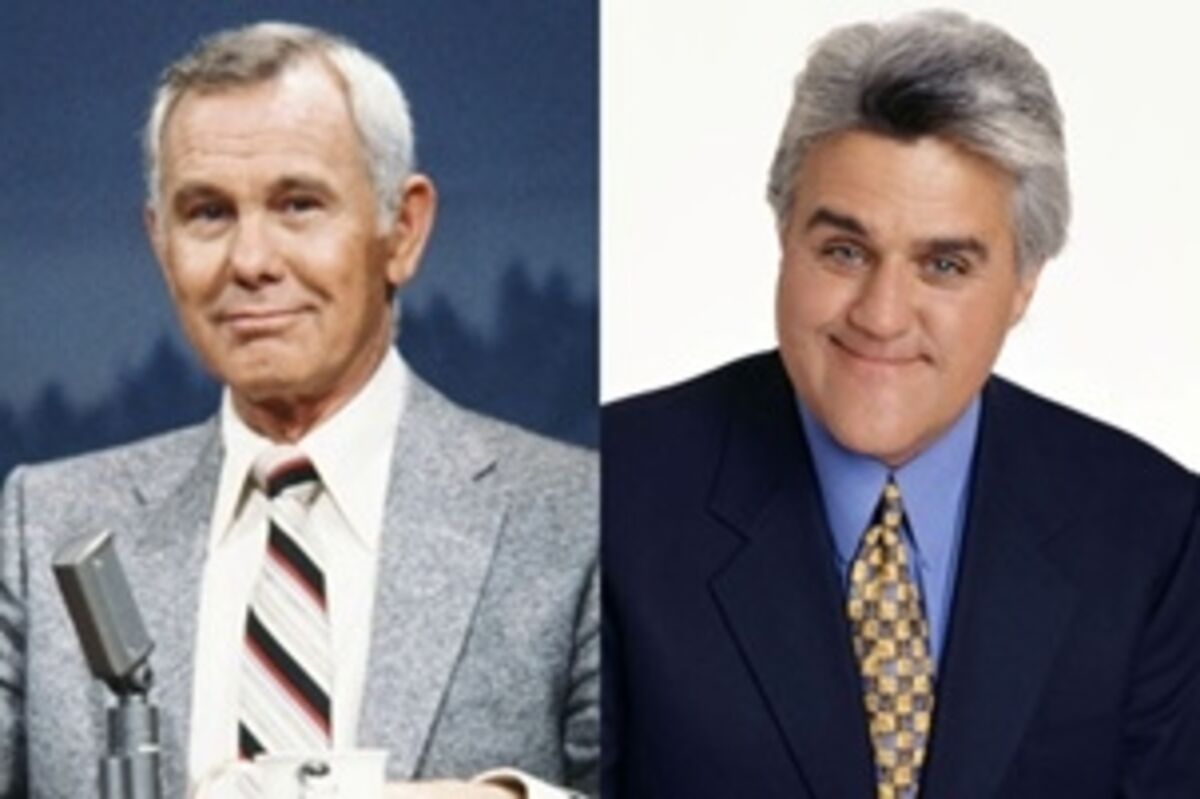
Former Tonight Show hosts Johnny Carson and Jay Leno
There was a time when late-night television served as a pressure valve for the country, a place where Americans of all stripes could laugh at the absurdities of politics and culture without feeling like they were being lectured, divided, or openly mocked for who they are and what they believe. That time is long gone, and no better late night host represents that decline than Jimmy Kimmel.
What once passed for humor has curdled into something far more corrosive, a steady drip of partisan contempt dressed up as comedy, delivered not to unite an audience but to segment it, flatter one side, and belittle the other. The result is not laughter that brings people together but applause lines that deepen the divide.
Consider the pattern that has emerged, not as an isolated misstep, but as a repeated choice. Jokes about Melania Trump that critics rightly viewed as crossing a line into dark and inappropriate territory. Commentary surrounding the murder of Charlie Kirk that blurred into insinuation and political point-scoring at a moment that demanded clarity and restraint. Mockery aimed at Markwayne Mullin that took aim not just at one man, but at the dignity of millions of Americans who work with their hands and built this country from the ground up.
This is not comedy in the tradition of sharp wit or cultural observation. It is messaging. It is agenda. It is, at its core, a calculated decision to trade humor for hostility.
And here is the bottom line that even many of Kimmel's defenders are beginning to acknowledge quietly. It is not funny.
Not because the topics are off-limits, as true comedy has never required safe ground, but because the delivery lacks the one ingredient that makes difficult subjects work in humor, which is fairness. The great comedians of past eras understood that if you are going to poke at one side, you had better be willing to poke at your own, and you had better do it with a sense of proportion and humility. What we see now is something entirely different, a one-way stream of ridicule that feels less like comedy and more like a nightly editorial wrapped in a laugh track.
There is also something deeper at stake than ratings or taste. When influential cultural figures normalize contempt, they give permission for it to spread. When they blur serious events with partisan framing, they contribute to a climate where Americans stop listening to each other and start assuming the worst. When they mock entire classes of people, especially working Americans, they reinforce a cultural divide that is already far too wide.
And then there was the "expectant widow" line directed at the First Lady. Even by today's lowered standards, that moment felt like a final straw for many Americans, not because audiences suddenly became overly sensitive, but because it underscored just how far late-night has drifted from its roots. There was a time when hosts understood instinctively where the line was, not because they were constrained, but because they respected the audience enough to keep humor from tipping into something darker and more corrosive.
Look back at Johnny Carson and that entire generation of late-night greats. They set a standard that balanced wit with restraint, satire with charm, and criticism with a sense of shared humanity. They could take on presidents, celebrities, and cultural trends alike, and still leave the audience feeling like everyone was in on the joke. That balance is what made them great, and it is precisely what is missing today.
What is most striking is not just that the standard has fallen, but that few in modern late-night even appear interested in meeting it. The goal is no longer broad appeal or timeless humor. The goal is reaction, alignment, and applause from a narrow slice of the audience.
Late-night television is not dying because the culture has changed. It is losing relevance because it abandoned the very standard that made it indispensable. When humor becomes predictable, partisan, and mean-spirited, audiences do not lean in, they tune out. Americans are not asking for safe comedy, and they are not demanding silence on tough subjects, but they do expect something real, something balanced, and above all something genuinely funny. Until figures like Jimmy Kimmel decide to rise to that challenge instead of talking down to half the country, the verdict will remain unchanged. The laughs will fade, the audience will shrink, and the legacy of late-night will not be remembered for its courage or wit, but for the moment it chose division over humor and never found its way back.
Perry O. Hooper Jr. is a former state representative, a current member of the Alabama Republican Party state executive committee, the 2016 Trump Victory Chair, and a widely published columnist who writes on politics, government, and current affairs.
Opinions expressed are those of the author and do not necessarily reflect the views of the Alabama Gazette staff or publishers.




Reader Comments(0)