
The people's voice of reason


The people's voice of reason
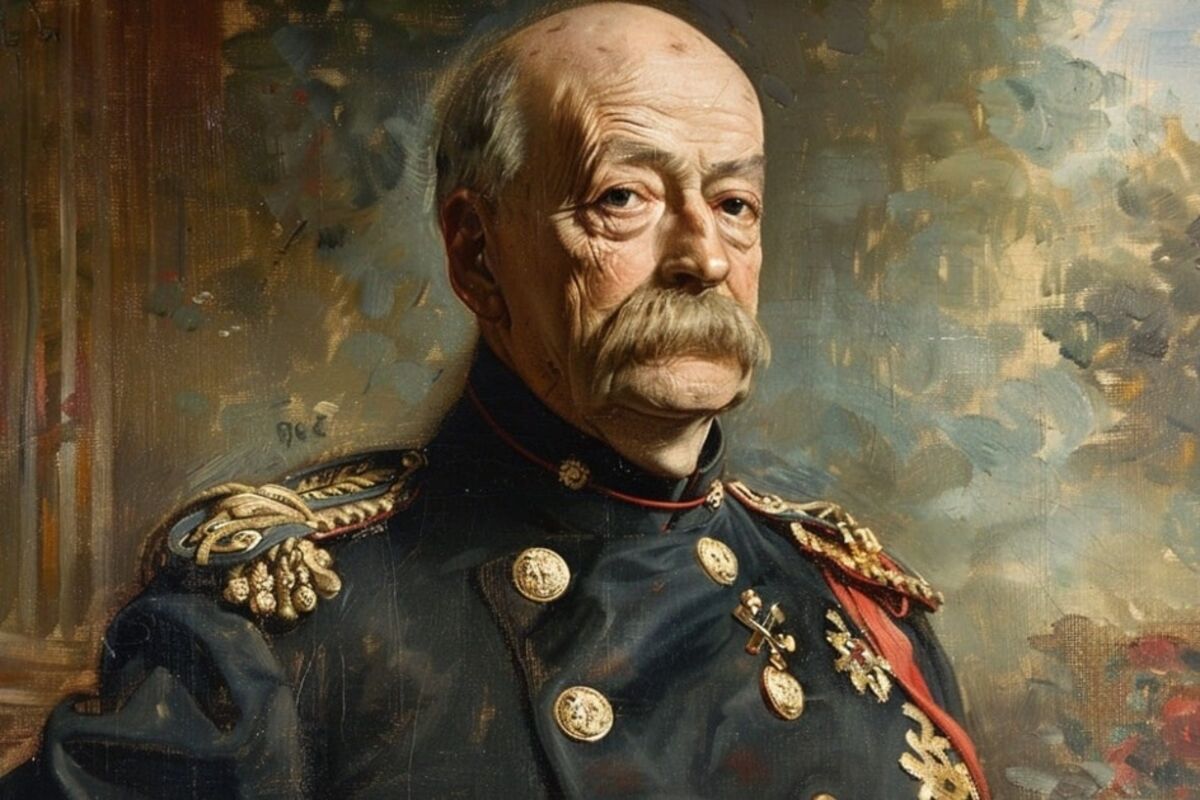
Otto Von Bismarck was the strategic military and diplomatic genius that successfully unified Germany under the Prussian royal house using war to shape the map of Europe into one where Germany became a superpower
May 10, 1871 - On May 10, 1871, European history pivoted sharply with the signing of the Treaty of Frankfurt, the formal peace agreement that ended the Franco‑Prussian War and cemented the rise of a unified German nation-state. What began as a regional conflict between Prussia and France concluded with a geopolitical realignment that reshaped the balance of power for generations.
A War That Redefined Nations
The Franco‑Prussian War (1870–1871) erupted from long‑simmering tensions between the French Empire under Napoleon III and the ascendant Kingdom of Prussia led by Chancellor Otto von Bismarck. Bismarck sought to unify the German states under Prussian leadership, and he understood that a conflict with France could galvanize German nationalism.
The war was swift and decisive. Prussian‑led forces encircled and captured Napoleon III at Sedan, besieged Paris, and shattered French military resistance. By early 1871, France was exhausted, politically fractured, and unable to continue the fight.
Terms That Reshaped the Map
Signed in Frankfurt am Main, the treaty imposed harsh but strategically calculated terms on France:
Cession of Alsace and part of Lorraine to the new German Empire
A massive indemnity of five billion francs, to be paid within three years
German occupation of parts of France until the indemnity was fully paid
Formal recognition of the German Empire, proclaimed months earlier in the Hall of Mirrors at Versailles
These provisions were designed not only to punish France but to secure Germany's western frontier and solidify its newfound unity.
The Birth of a Unified Germany
The Treaty of Frankfurt did more than end a war - it confirmed the arrival of a new European power. The German Empire, forged through Bismarck's diplomacy and Prussian military strength, emerged as a centralized, industrial, and increasingly assertive state.
For the German people, the treaty symbolized the culmination of decades of nationalist aspiration. For France, it marked a national humiliation that would fuel political instability and a deep desire for revanche - revenge - that lingered into the 20th century.
Long Shadows Over Europe
The consequences of the treaty extended far beyond 1871:
Alsace‑Lorraine became a flashpoint, its contested identity contributing to the tensions that preceded World War I.
France's drive to rebuild its military and reclaim lost territory shaped its foreign policy for decades.
Germany's rapid rise disrupted the traditional balance of power, unsettling Britain, Russia, and Austria‑Hungary.
Historians often view the Treaty of Frankfurt as one of the foundational moments of modern Europe - a peace that ended one war but planted the seeds of another.
A Turning Point Remembered
More than 150 years later, May 10, 1871 stands as a reminder of how a single treaty can alter borders, ignite national passions, and redirect the course of history. The Treaty of Frankfurt did not merely conclude the Franco‑Prussian War; it ushered in the German Empire and set Europe on a path toward both unprecedented industrial growth and future conflict




Reader Comments(0)