
The people's voice of reason


The people's voice of reason
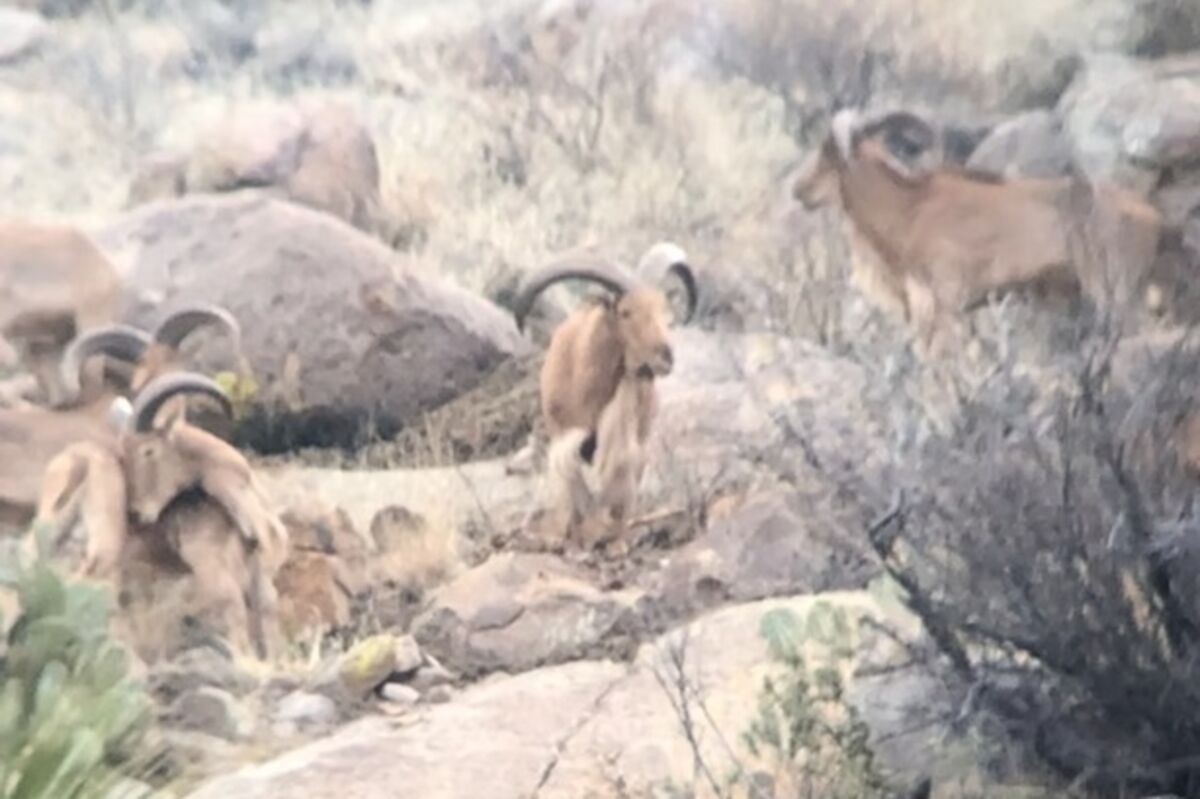
The Asiatic Mouflon (also known as the Aoudad or the Barbary Sheep) is the semi-domesticated ancestor of modern sheep. Today the Aoudad are most numerous on Texas hunting ranches.
Modern domestic sheep (Ovis aries) evolved from the Asiatic mouflon (Ovis gmelini orientalis), a wild sheep species native to mountainous regions of the Near East, including the Caucasus, Anatolia, and Zagros Mountains biologyinsights.com+1. These animals were smaller (25–55 kg) with reddish-brown coats, dark back stripes, and light saddle patches, and had large curved horns in males biologyinsights.com.
Origins and Domestication
Domestication began 11,000–9,000 BCE in the Fertile Crescent (modern Turkey, Iraq, Iran) during the Neolithic period biologyinsights.com+1. Archaeological sites like Aşıklı Höyük and Zawi Chemi Shanidar show early managed flocks, with bone assemblages indicating selective culling of aggressive males and older individuals, preserving females for breeding biologyinsights.com+1. Paleogenomic studies suggest a Central Anatolian source for domestication, with later admixture events spreading across Europe and Asia Oxford Academic.
Early Domestication Traits
Initially, sheep were kept for meat, milk, and skins Wikipedia. Their wild coats were coarse outer hair over a finer undercoat, shed seasonally, unlike the continuous wool of modern breeds scienceinsights.org. Early humans likely followed mouflon herds, then selectively managed populations to favor docility and predictable behavior scienceinsights.org.
Genetic and Phenotypic Changes
Over millennia, human selection altered sheep's size, coat type, and behavior:
Size reduction in some breeds due to selective breeding biologyinsights.com.
Wool development began around 6,000 BCE, with woolly sheep spreading to Africa and Europe via trade Wikipedia.
Behavioral changes included reduced flight distance and increased tolerance of humans, possibly linked to altered thyroid hormone signaling or neural crest cell changes pmc.ncbi.nlm.nih.gov.
Phenotypic diversity arose from multiple capture events and admixture with other wild sheep, though urial and argali are not direct ancestors due to chromosomal differences Wikipedia.
Modern Diversity
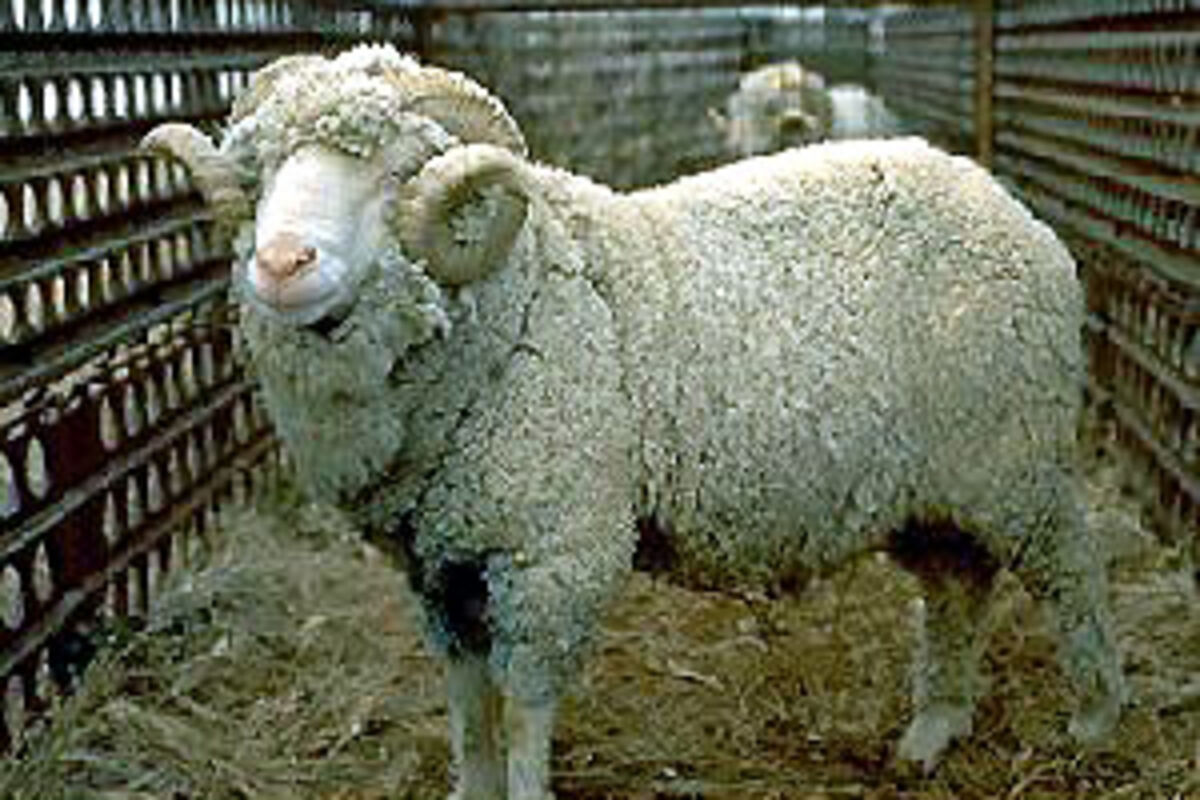
Today's sheep breeds reflect multiple domestication waves and regional adaptations. Some breeds, like the Soay and certain Shetlands, retain traits of ancient sheep-short tails, natural rooing fleece, and horned individuals Wikipedia. Global dispersal via trade and migration has created a wide range of wool, meat, and milk-producing breeds.
In summary: Modern sheep evolved from wild Asiatic mouflon through gradual human-driven selection in the Near East, starting ~11,000–9,000 BCE. This process involved behavioral taming, selective breeding for productivity, and genetic mixing, leading to the diverse domestic sheep we see today




Reader Comments(0)