
The people's voice of reason


The people's voice of reason
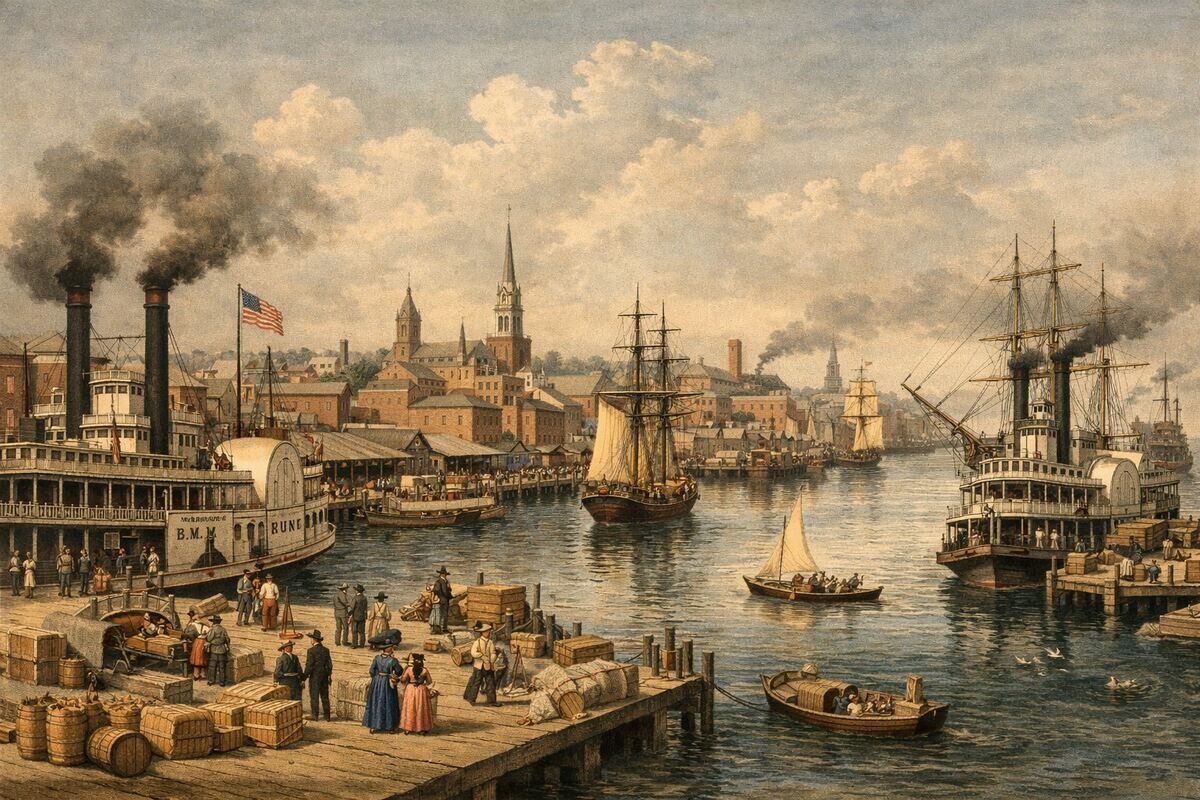
Antebellum Mobile
Mobile, Ala. - On May 25, 1865, just weeks after the Civil War ended, a massive explosion ripped through an ordnance depot on Mobile's riverfront, killing an estimated 300 people and leaving the city in shock. More than 160 years later, it remains one of the deadliest accidental explosions in American history.
A City Still Reeling From War
At the time of the disaster, Mobile was under Union occupation, and the city was crowded with soldiers, freedmen, laborers, and civilians trying to rebuild their lives after four years of conflict. The riverfront depot - a former Confederate facility now controlled by the U.S. Army - stored thousands of shells, cartridges, and kegs of gunpowder awaiting disposal or transport.
Shortly after 2 p.m., witnesses reported a sudden flash, followed by a thunderous blast that shook buildings across the city. The explosion ignited warehouses, wharves, and nearby structures, sending debris and burning timber flying hundreds of feet into the air.
A Firestorm on the Waterfront
The blast instantly leveled the depot and triggered a chain reaction of secondary explosions as ammunition continued to detonate. Fire spread rapidly along the docks, consuming ships, warehouses, and homes. Many victims were killed instantly; others were trapped in burning buildings or struck by flying debris.
Contemporary accounts describe scenes of chaos: soldiers digging through rubble with their hands, families searching for missing loved ones, and doctors overwhelmed by the number of wounded.
Casualties Among the Highest of the Era
Official counts varied, but most historians estimate around 300 people were killed, including Union soldiers, formerly enslaved laborers, dockworkers, and civilians. Hundreds more were injured.
The scale of the tragedy placed it among the worst accidental explosions in U.S. history - comparable to the 1917 Halifax Explosion and the 1947 Texas City disaster.
Cause Never Fully Determined
The exact cause of the explosion was never conclusively established. Investigators at the time suggested several possibilities:
mishandling of munitions
unstable Confederate-era ammunition
sparks from nearby work crews
accidental ignition during transport
No evidence of sabotage was ever proven.
A City Forever Marked
The explosion devastated Mobile's already fragile postwar economy and left deep scars on the community. Mass graves were dug for many of the victims, and newspapers across the country reported the tragedy with shock and sympathy.
Today, the event is remembered as a sobering reminder of the lingering dangers that remained even after the Civil War's final shots were fired.



Reader Comments(0)