
The people's voice of reason


The people's voice of reason
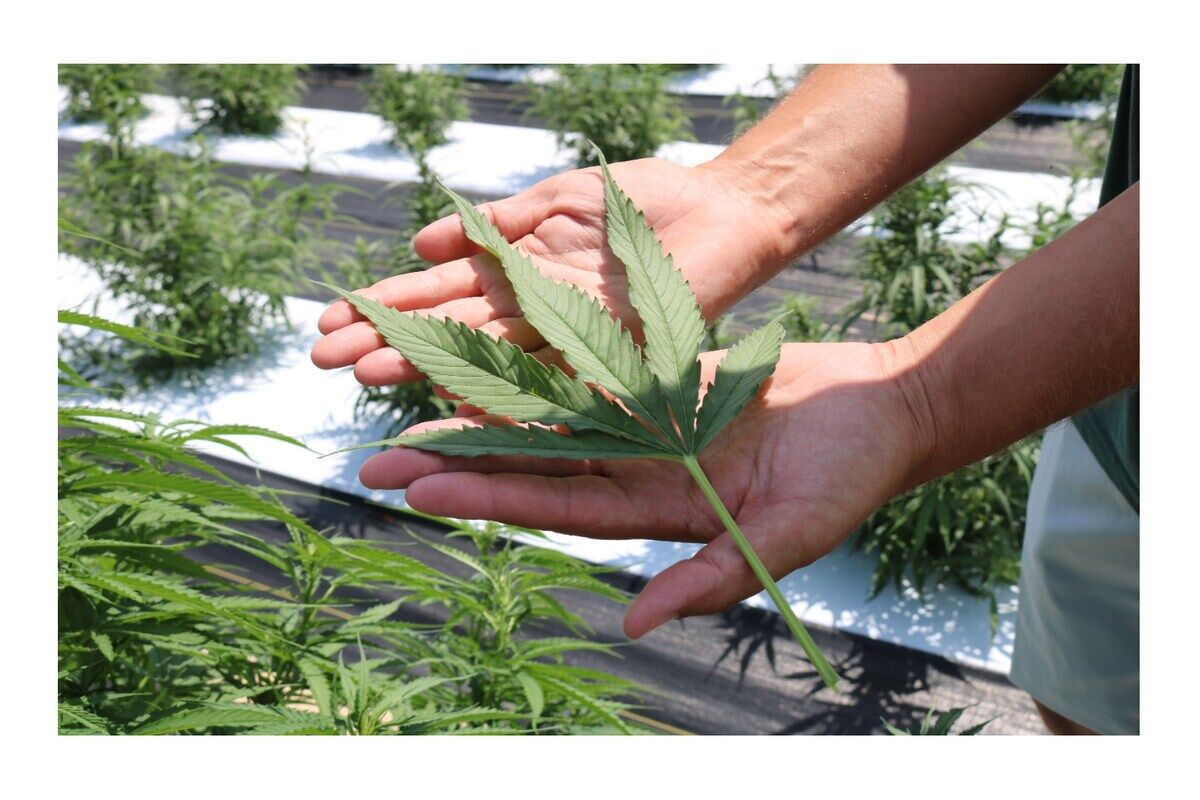
Cannabis plants
June 2, 2026 – MONTGOMERY, Ala. - Alabama's first medical marijuana dispensary opens Thursday in Montgomery, marking a historic milestone five years in the making. After five years of rulemaking, license applications, and litigation Alabama will become the 40th state in the country where persons with a legitimate medical need will be able to legally purchase doctor recommended medical marijuana without breaking any state law.
Callie's Apothecary, located on Atlanta Highway, becomes the first fully operational medical cannabis dispensary in the state this Thursday - a moment that arrives after years of legal delays, licensing battles, and patient frustration.
A New Era Begins in Montgomery
Callie's Apothecary is the first dispensary to successfully navigate Alabama's long and contentious licensing process. The opening follows multiple court injunctions, scoring disputes, and allegations of conflicts of interest that stalled the Alabama Medical Cannabis Commission (AMCC) from 2022 through 2025.
With product testing now complete, the Montgomery location is ready to serve patients who hold a valid Alabama medical cannabis card and a physician's recommendation.
Chey Garrigan is the founder and Executive Director of the Alabama Cannabis Industry Association.
"We have been working towards this moment since 2019," Garrigan told the Alabama Gazette. "I am happiest for all the patients who were there with us fighting for this in the 2020 and 2021 legislative sessions – and all the public hearings and public comment periods during the rule making process."
Garrigan cautioned that the Alabama medical marijuana program is a lot more limited than is other states.
"The biggest thing is that there is no raw plant or smokable product allowed," said Garrigan. "Possession of raw marijuana is still illegal – even for people with a state of Alabama medical cannabis user card."
What Patients Can Expect on Opening Day
Patients entering the dispensary will follow a secure, pharmacy‑style process:
You must show a photo ID at the door to even enter the dispensary.
You must present a driver's license and a state issued Alabama cannabis card in a secure vestibule.
You can then meet with a certified adviser who can access the patient's physician‑recommended THC dosage
Inside, the dispensary is designed to feel like a blend of a doctor's office and a pharmacy - a deliberate choice to emphasize professionalism, safety, and medical legitimacy.
What Products Will Be Available?
Garrigan explained that the 2021 Alabama law prohibits smokable flower, edibles like cookies or candies, and any and all combustible products.
According to Garrigan that only products allowed to patients will be: gel cubes, tinctures, lozenges, pills, Tablets, capsules, and topical gels. There will also be transdermal patches and nebulizers.
These products are manufactured by licensed processors such as Homestead Health in Jasper, using cannabis grown by cultivators like Antoine Mordican.
There are no vertically integrated producers fully online yet. The integrator license was the most desired license and became the most litigated. There are still hearings on those license scheduled for later this summer.
Dispensary owner Vince Schilleci told reporters that he expects around 250 patients in the first week.
The medical cannabis industry in Alabama is regulated by the Alabama Medical Cannabis Commission (AMCC). AMCC leaders say they hope the program will especially benefit patients with seizure disorders and cancer.
The opening of Callie's Apothecary completes the final link in Alabama's medical cannabis supply chain - cultivation, processing, and now dispensing. It also signals that the state's long‑delayed program is finally moving forward.
Nine dispensaries are currently licensed statewide, with hopes of expanding to 12 by year's end.
Thousands of Alabama patients have waited years for this. Some members of law enforcement have expressed concern that medical marijuana legalization will lead to more drivers on the road driving impaired.
Garrigan dismissed those concerns saying that most medical marijuana users have grave medical needs and emphasized that this is not a recreational marijuana program.
Thursday's opening represents more than a storefront - it represents access, relief, and the beginning of a new chapter in Alabama healthcare.
To comment or to ask a question email: brandonmreporter@gmail.com




Reader Comments(0)