
The people's voice of reason


The people's voice of reason
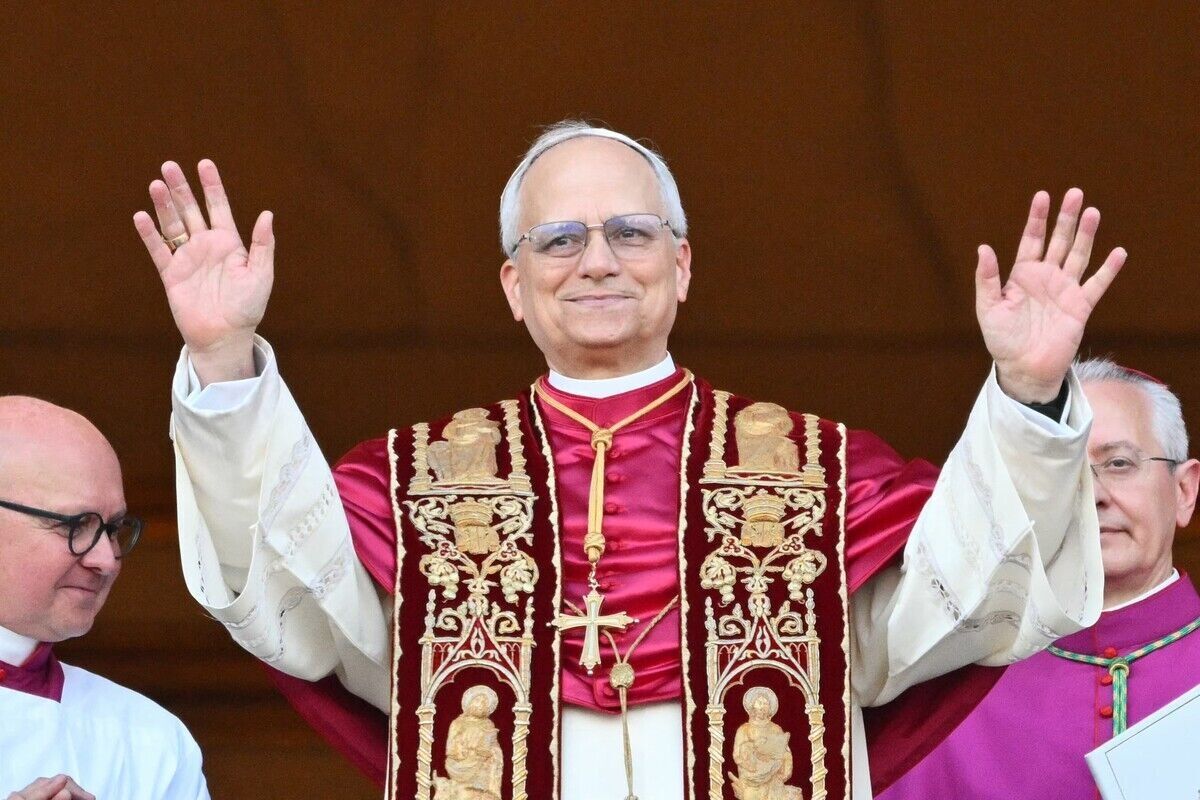
Pope Leo XIV
Pope Leo XIV has released his first encyclical, Magnifica Humanitas, a sweeping 42,000‑word document that places the Catholic Church squarely in the center of the global debate over artificial intelligence, human dignity, and the future of social life. Signed on May 15, 2026, and published May 25, the encyclical marks the 135th anniversary of Rerum Novarum and consciously extends the Church's social teaching into a new technological era.
A Warning Against an "Anti‑Human Vision"
At the heart of Magnifica Humanitas is Pope Leo XIV's stark warning that the digital revolution risks normalizing a "technocratic paradigm" that reduces the human person to data, efficiency, and control. He cautions that AI is not morally neutral and can easily amplify the power of those who already possess wealth, expertise, and access to data.
The Pope argues that humanity now faces a pivotal choice: to build a future rooted in communion with God or to construct a new "Tower of Babel" driven by profit, domination, and the illusion of total control.
Technology: Not an Enemy, but Never Neutral
While the encyclical is deeply critical of the cultural forces shaping AI, Pope Leo XIV rejects both fear and naïve enthusiasm. Technology, he writes, is not inherently evil, but it always reflects the values of those who design and deploy it. For this reason, he calls for "shared standards of social justice" in AI development and governance.
The Vatican's own summary underscores this point: technology must serve humanity, not concentrate power. The Pope urges a "courageous mentality of shared responsibility," insisting that the human heart-not algorithms-must remain the place where God dwells.
A Social Encyclical for a New Era
Magnifica Humanitas is structured in five chapters, each addressing a major dimension of the Church's social doctrine in the digital age:
Chapter One traces the development of Catholic social teaching from Leo XIII to the present, emphasizing its dynamic, Gospel‑rooted character.
Chapter Two reaffirms foundational principles: the dignity of the human person, the common good, solidarity, subsidiarity, and the universal destination of goods.
Chapter Three examines the "technocratic paradigm," the promises and perils of AI, and the threats posed by transhumanism and posthumanism.
Chapter Four addresses truth, democracy, digital communication, the dignity of work, unemployment, and the vulnerabilities of young people in a hyper‑connected world.
Chapter Five confronts the "culture of power," AI‑driven warfare, and the crisis of multilateralism, urging a renewed commitment to peace, justice, and the "civilization of love."
A Call to AI Developers and Global Leaders
In one of the encyclical's most discussed passages, Pope Leo XIV directly addresses AI developers, insisting that every design choice reflects a vision of humanity. He urges them to safeguard the vulnerable and resist the temptation to create systems that deepen inequality or erode human freedom.
The Pope's appeal is not merely theoretical: he presented the encyclical in the presence of leading technologists, including Anthropic co‑founder Chris Olah, underscoring the urgency of dialogue between the Church and the tech world.
A Continuation of the Church's Historic Mission
By releasing Magnifica Humanitas, Pope Leo XIV positions the Church as a moral voice in a moment of global transformation-much as his predecessors did during the Industrial Revolution, the nuclear age, and the rise of globalization. The encyclical echoes Rerum Novarum, Centesimus Annus, and Laudato Si', extending their concern for workers, creation, and the common good into the digital frontier.
A Final Appeal: Remain Human
Ultimately, Pope Leo XIV's message is one of hope and responsibility. He urges the world to "remain human," to resist dehumanizing systems, and to build a society where technology serves the flourishing of every person.
Humanity, he writes, must choose communion over domination, truth over manipulation, and love over power.
https://www.vatican.va/content/leo-xiv/en/encyclicals/documents/20260515-magnifica-humanitas.html





Reader Comments(0)