
The people's voice of reason


The people's voice of reason
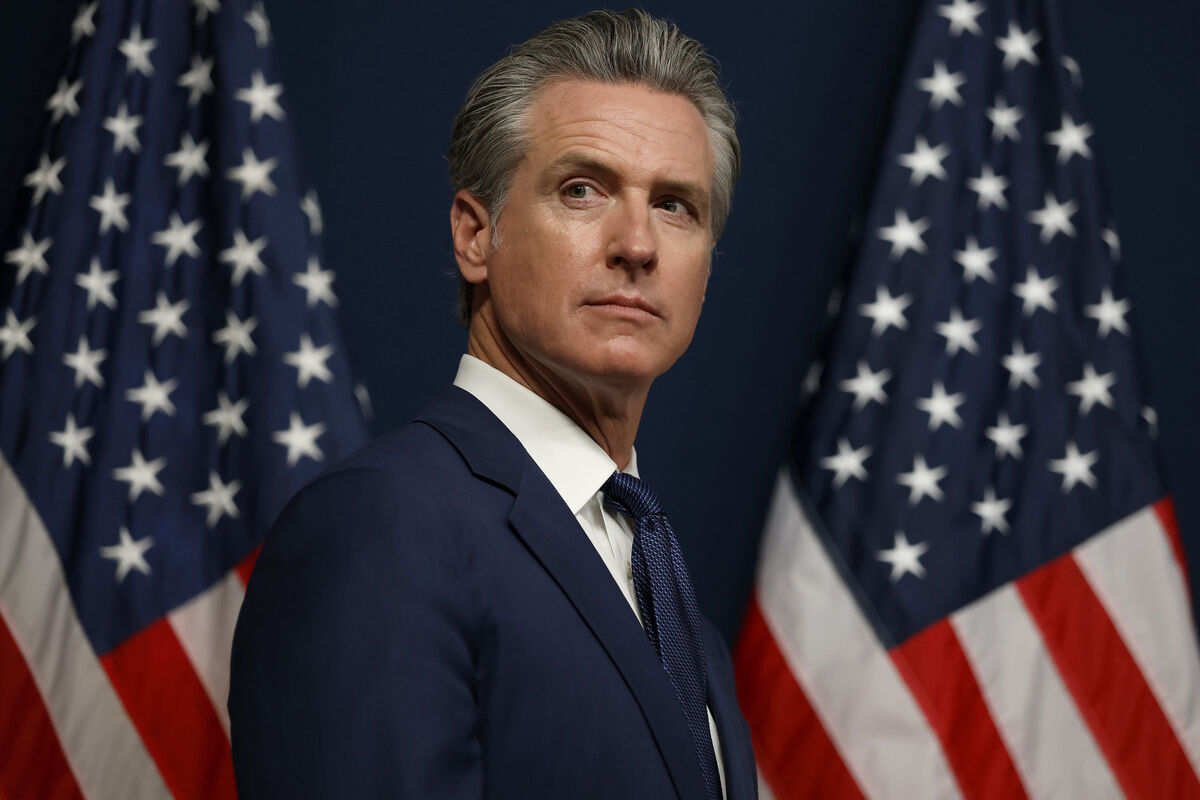
California Governor Gavin Newsom
California's high‑speed rail project has now consumed more than $18 billion in public funds, according to the latest state disclosures-yet not a single mile of operational track has been laid. The project, first approved by voters in 2008, has become one of the most expensive and delayed public works efforts in modern U.S. history.
A Costly Start With Limited Visible Progress
Since construction began in 2013, spending has flowed into a wide range of early‑stage and foundational work, including:
Land acquisition across the Central Valley
Environmental reviews and mitigation
Dozens of viaducts, bridges, and grade separations
Utility relocations
Planning and design for future segments north to San Francisco and south toward Los Angeles
These investments have produced large concrete structures throughout the Central Valley but no completed track, no stations, and no electrification.
Costs Far Beyond Original Promises
When California voters approved the project in 2008, the full San Francisco–Los Angeles line was projected to cost $33 billion.
Eighteen years later, the state's own 2026 business plan estimates Phase 1 alone-San Francisco to Los Angeles/Anaheim-will cost between $89 billion and $128 billion, depending on funding availability and construction timelines.
Where Construction Stands Today
The only active construction zone is the 171‑mile Merced–Bakersfield segment, envisioned as the first operable stretch of the system. Even that portion has faced repeated delays.
Projected opening: 2033
Track laid: 0 miles as of early 2026
Major structures completed: dozens, but not yet connected
The state has not secured full funding for the extensions to San José, San Francisco, Palmdale, or Los Angeles.
Funding Setbacks Add Pressure
California's financial challenges deepened in 2025–2026 when federal support was rolled back:
$4.2 billion in federal grants withdrawn
$929 million rescinded by Congress
With federal dollars uncertain, the project now leans heavily on:
Cap‑and‑trade revenue, generating roughly $1 billion per year through 2045
Potential private investment, which the state began soliciting in late 2025 but has not yet secured at scale
A Project at a Crossroads
Supporters argue the project remains essential for long‑term mobility, climate goals, and economic development. Critics counter that the ballooning costs and slow pace have turned the project into a cautionary tale for megaproject management.
What is clear is that California's high‑speed rail-once pitched as a model for the nation-has become a test of political will, financial endurance, and public patience.
By the Numbers
Total spent: More than $18 billion
Projected total cost: $89–$128 billion
Track laid: 0 miles
Next milestone: Merced–Bakersfield segment targeted for 2033



Reader Comments(0)