
The people's voice of reason


The people's voice of reason
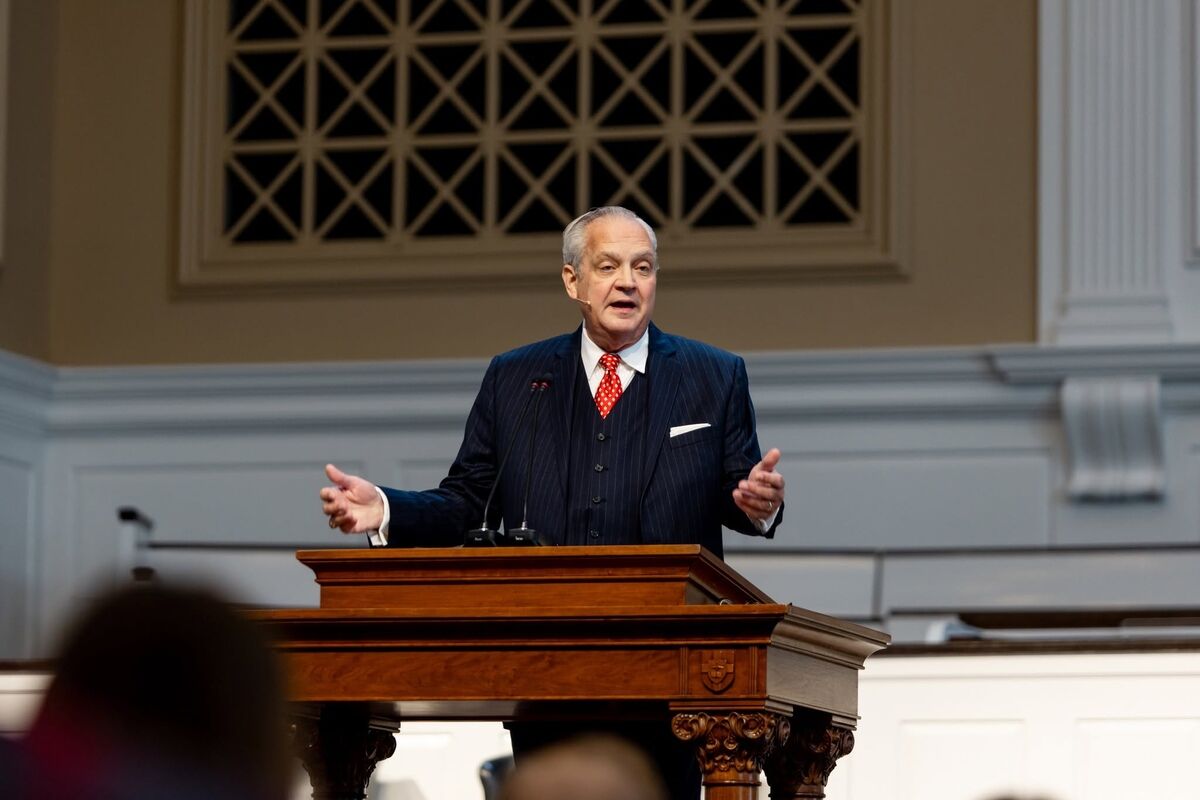
Dr. Albert Mohler
The Southern Baptist Convention (SBC), the nation's largest Protestant denomination, has voted overwhelmingly to advance a constitutional amendment that would bar churches with women serving as pastors or preaching to the assembled congregation. The vote, taken during the SBC's annual meeting in Orlando, marks the first of two required approvals needed to enshrine the ban in the denomination's governing documents. Nearly 75% of delegates ("messengers") supported the measure, signaling strong momentum behind the effort.
What the Amendment Does
The proposed amendment-often referred to as the Truth and Unity Amendment-would formally declare that churches employing women as pastors or allowing women to preach are not in "friendly cooperation" with the SBC. This would give the denomination clearer authority to exclude such churches from its ranks.
While the SBC's statement of faith, the Baptist Faith and Message, has since 2000 stated that only men may serve as pastors, the denomination has struggled in recent years with how to enforce that position. Several high‑profile cases, including the ordination of women at Saddleback Church in 2021, intensified calls for a constitutional clarification.
Al Mohler's Role and Rationale
The amendment was written and proposed by Dr. R. Albert Mohler, president of the Southern Baptist Theological Seminary in Louisville, Kentucky. Mohler has been one of the most vocal advocates for tightening the SBC's stance, arguing that the issue represents a defining line between "biblical evangelicalism" and liberal Protestantism."
Mohler has said the ban is necessary to prevent the SBC from drifting theologically:
"There's a great line that divides liberal and biblical evangelicalism, and you can see it on this very issue."
He and other supporters argue that without a constitutional amendment, the SBC risks becoming too permissive and losing its historic identity. Mohler has also emphasized that the amendment provides clarity, consistency, and unity across the denomination's thousands of autonomous churches.
Opposition and Ongoing Debate
Not all Southern Baptists agree with the amendment. Some pastors argue that the SBC already has mechanisms to disfellowship churches with women pastors and that further restrictions are unnecessary. Others believe the amendment will deepen divisions and harm women serving in ministry roles.
Advocacy groups such as Baptist Women in Ministry have publicly opposed the vote, sponsoring billboards near the convention site and issuing statements lamenting the decision. They argue that women called to preach deserve "affirmation, respect, and the opportunity to follow God's call."
What Happens Next
For the ban to become permanent, it must receive a two‑thirds majority vote again at next year's SBC meeting in Indianapolis. Previous attempts in recent years have failed to clear that second hurdle, despite majority support.
Still, this year's strong vote suggests that the SBC may be closer than ever to formally codifying its long‑standing complementarian position into its constitution.




Reader Comments(0)