
The people's voice of reason


The people's voice of reason
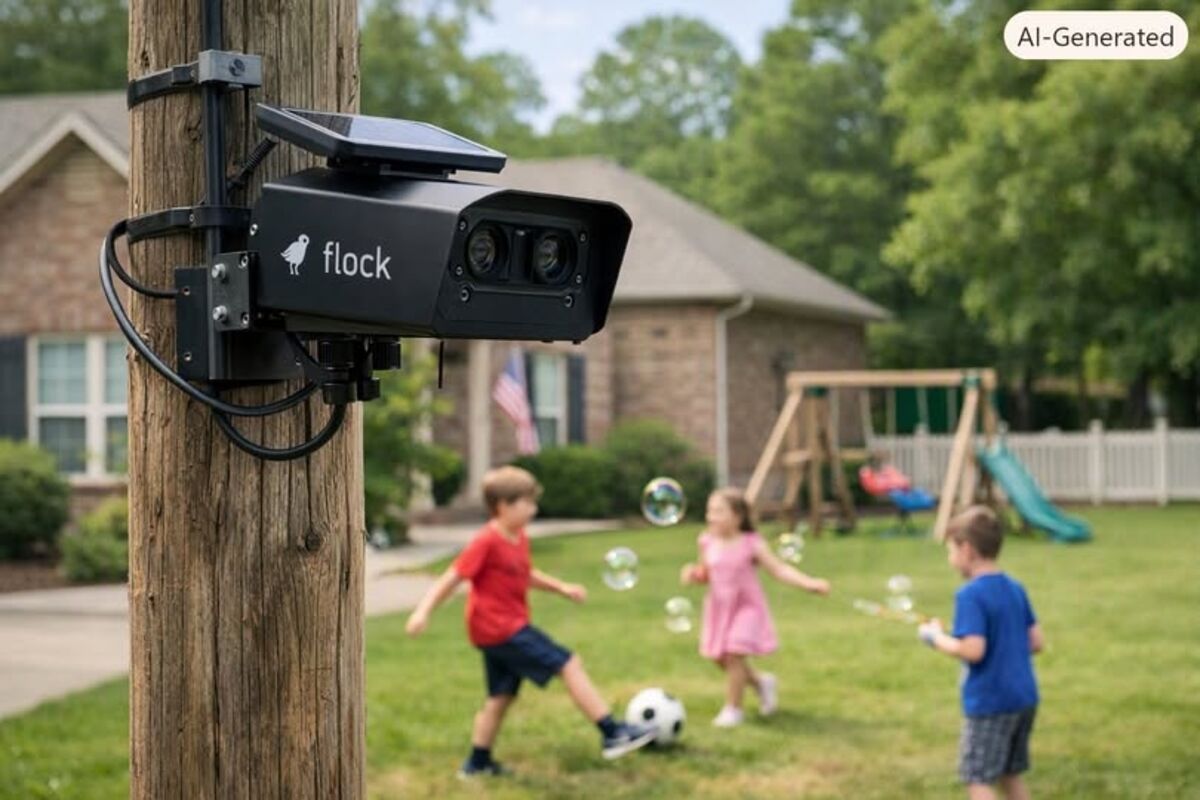
Hundreds of thousands of Flock cameras have been installed in the last seven years.
In a recent episode of the Heart of Dixie Podcast, co-hosts Brandon Moseley of The Alabama Gazette and Harry Still III sat down with prominent privacy advocates to confront the rapid expansion of domestic law enforcement technology. The panels featured John Sophocleus, a former Libertarian candidate for Governor and U.S. Senate, alongside Whitney Scapecchi of the Southern Freedom Press. The lengthy, unfiltered discussion focused primarily on the alarming ubiquity of Automated License Plate Readers (ALPRs)-specifically those deployed by tech giant Flock Safety-and the broader legal and ethical threat of public surveillance networks.
The Rise of Flock Safety and Widespread Tracking
The episode opened by breaking down how quietly, yet thoroughly, Flock style cameras have blanketed communities across America. Unlike traditional traffic devices, these AI-driven ALPR systems are designed to log meticulous visual details of every passing vehicle. They capture license plates, rooftop racks, bumper stickers, and body damage. This collected data is immediately pooled into immense databases accessible not only to thousands of police departments, but also to private entities like schools and Homeowners Associations (HOAs).The hosts and guests highlighted a profound societal shift: law-abiding citizens are now subjected to non-stop tracking without ever being suspected of a crime. Scapecchi emphasized how local municipalities, such as the City of Orange Beach, have utilized this massive tracking capability to surveil citizens and attorneys. This trend, she argued, operates under a dangerous lack of public transparency and independent oversight.
Corporate Subsidies and Constitutional Violations
A major focal point of the interview was the unique mechanism through which surveillance expands. Sophocleus raised sharp objections to utility corporations - specifically Alabama Power Company - playing a direct role in marketing and facilitating these tracking networks. Specifically, he targeted how companies utilize public rights-of-way-land explicitly paid for by local, state, and federal taxpayers-to host surveillance equipment. "Why are we subsidizing corporate entities to spy on us?" Sophocleus questioned, challenging the legal justification of turning standard utility lines into data collection traps.The group collectively argued that this behavior represents a massive erosion of the Fourth Amendment, which safeguards citizens against unreasonable, warrantless searches. With nearly 90,000 cameras operating across 5,000 police agencies nationwide, the panel warned that the sheer scale of the system creates an inevitable breeding ground for law enforcement misuse and personal privacy violations.
The Growing National Backlash
Despite the aggressive spread of surveillance technology, the podcast underscored an emerging national pushback. Activist groups and frustrated voters are aggressively demanding a course correction from local city councils. The guests noted that high-profile federal efforts, such as legislation proposed by Kentucky Representative Thomas Massie to strip federal funding from municipalities utilizing citizen tracking systems, reflect a rising bipartisan consensus against overreach. Ultimately, the episode served as an urgent reminder for citizens to audit their local governments and protect foundational civil liberties before the domestic surveillance apparatus becomes impossible to dismantle.




Reader Comments(0)