
The people's voice of reason


The people's voice of reason
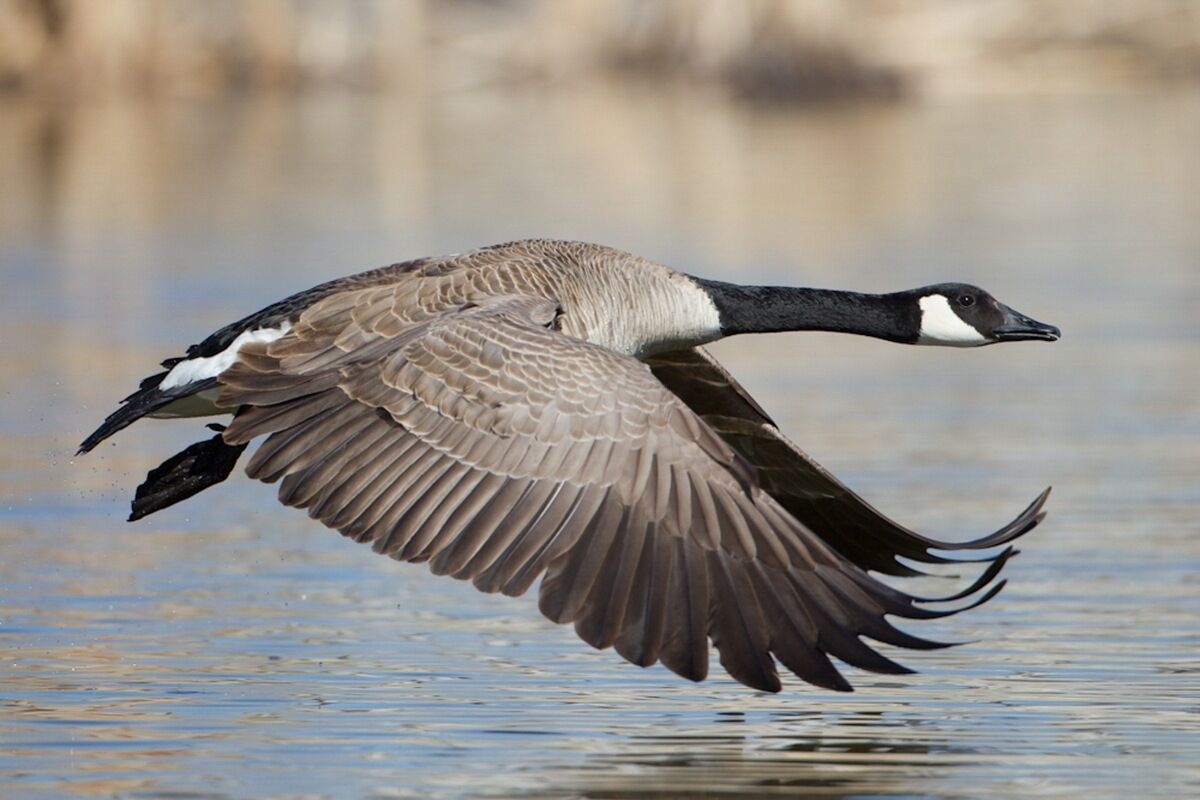
Canadian goose
As the crisp air of December settles over Alabama's fields and waterways, a familiar sound echoes across the landscape-the distant honk of migrating geese. For generations of Alabama hunters, this seasonal chorus signals more than just the arrival of winter. It marks the beginning of one of the state's most rewarding and time-honored outdoor traditions: goose hunting.
A Southern Flyway Stopover
Alabama sits along the eastern edge of the Mississippi Flyway, one of North America's major migratory bird routes. While the state is better known for its duck hunting, geese-particularly Canada geese and white-fronted geese-also make their way through Alabama during the winter months. These birds are drawn to the state's fertile river valleys, agricultural fields, and managed wetlands, offering hunters unique opportunity to pursue waterfowl in a distinctly Southern setting.
The regular goose season in Alabama typically opens in early December and runs through the end of January. This window aligns with peak migration, when flocks of geese descend from northern breeding grounds in search of milder weather and abundant food. For hunters, it's a chance to blend skill, patience, and tradition in pursuit of one of waterfowling's most iconic birds.
Where to Hunt: From the Tennessee Valley to the Black Belt
Alabama's goose hunting hotspots are as diverse as its landscapes. In the northern part of the state, the Tennessee River Valley offers prime habitat, with large reservoirs, backwaters, and agricultural fields that attract thousands of geese each winter. Wheeler National Wildlife Refuge, near Decatur, is a well-known staging area for both ducks and geese, and while hunting is restricted within the refuge itself, surrounding private lands and public hunting areas can be highly productive.
Further south, the Black Belt region-named for its rich, dark soil-provides another excellent goose hunting environment. Here, flooded fields, catfish ponds, and pastureland create ideal conditions for geese to feed and rest. Counties like Dallas, Lowndes, and Sumter have long been favored by waterfowlers, and local landowners often lease fields to hunters during the season.
Closer to home in St. Clair County and central Alabama, smaller ponds, lakes, and agricultural plots can also hold surprising numbers of geese, especially resident Canada geese that have adapted to local conditions. Scouting is key-watching flight paths, feeding patterns, and roosting sites can make the difference between a quiet morning and a full game strap.
Gear, Tactics, and Tradition
Goose hunting in Alabama blends modern gear with old-school know-how. Most hunters rely on layout blinds or natural cover to conceal themselves in open fields. Decoy spreads-ranging from a few dozen to several hundred-are used to simulate feeding flocks and draw geese within shooting range. Motion decoys and flagging can add realism, especially on calm days when wary birds need extra convincing.
Calling is another critical skill. While Canada geese respond well to deep, resonant honks and clucks, white-fronted geese (also known as specklebellies) have a higher-pitched, yodeling call that requires a different technique. Many Alabama hunters pride themselves on mastering both, often passing down their calls and strategies from one generation to the next.
Shotguns chambered in 12 or 10 gauge are standard, paired with non-toxic shot (steel, bismuth, or tungsten) as required by federal law. Hunters must also carry a valid Alabama hunting license, a state waterfowl stamp, a federal duck stamp, and HIP (Harvest Information Program) certification.
Community and Conservation
Beyond the thrill of the hunt, goose hunting in Alabama is deeply rooted in community and conservation. Many families treat the season as a time to gather, share meals, and reconnect with the land. Early mornings in the blind are followed by storytelling sessions over biscuits and gravy, and successful hunts often end with shared feasts featuring grilled goose breast, gumbo, or smoked sausage.
At the same time, hunters play a vital role in conserving Alabama's wetlands and wildlife. Through license fees, stamps, and habitat programs, waterfowlers contribute millions of dollars annually to the preservation of critical ecosystems. Organizations like Ducks Unlimited and the Alabama Wildlife Federation work closely with landowners and agencies to ensure that future generations can enjoy the same opportunities.
A Season of Fellowship and Flight
For many Alabamians, goose hunting is more than a sport-it's a seasonal ritual that blends patience, skill, and reverence for the natural world. Whether you're a seasoned caller in the Tennessee Valley or a first-timer setting decoys on a St. Clair County pond, the experience offers something timeless: the quiet anticipation of dawn, the sudden rush of wings overhead, and the shared joy of a tradition that binds communities together.
As December unfolds and the honking grows louder, Alabama's fields and skies come alive with possibility. So grab your gear, call your hunting buddies, and head out before sunrise. The geese are flying-and the season is on.








Reader Comments(0)