
The people's voice of reason


The people's voice of reason
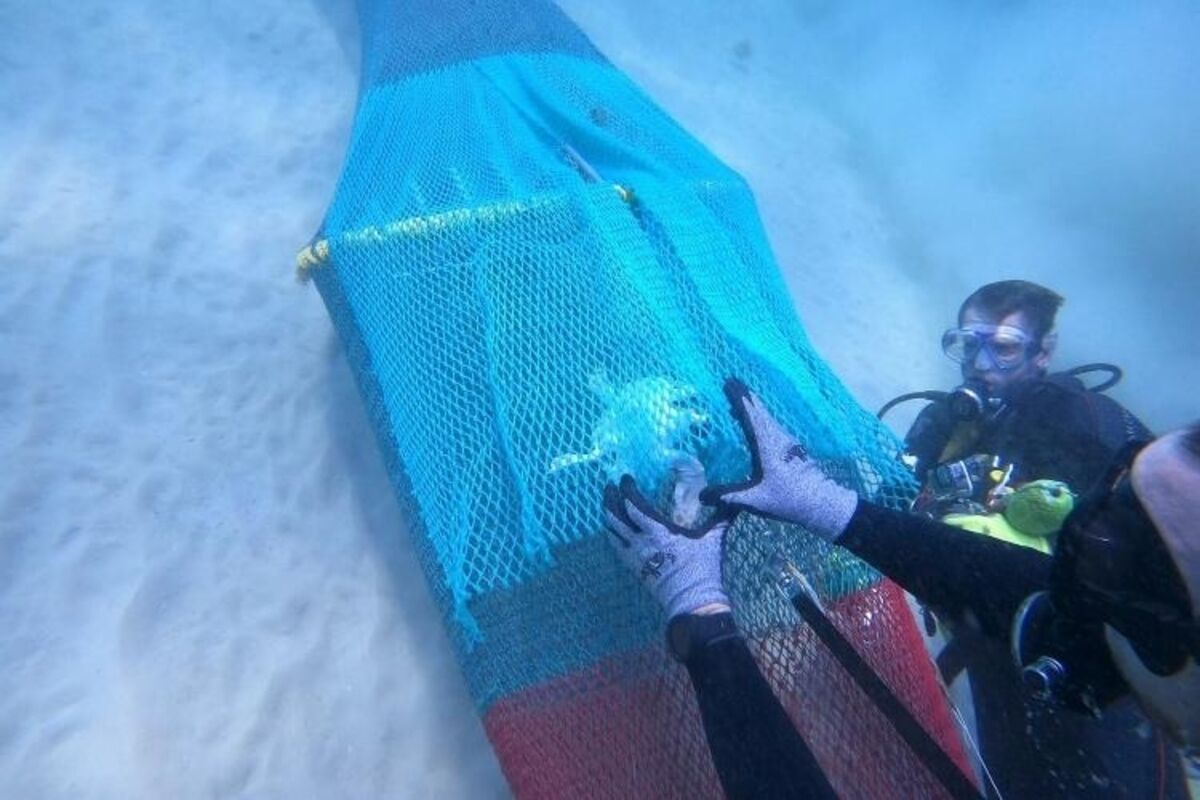
Research divers from the Southeast Fisheries Science Center's Harvesting Systems Branch prepare to capture a turtle upon escape from the TED.
Since 1987, a quiet revolution has been unfolding beneath the surface of the Gulf of Mexico and the southeastern U.S. coast. It's not a new law or a flashy invention-it's a simple metal grid called a Turtle Excluder Device, or TED. Designed to prevent sea turtles from becoming accidental victims of shrimp trawling, TEDs have become a cornerstone of marine conservation and a symbol of collaboration between scientists and fishermen.
A Life-Saving Innovation
Shrimp trawlers drag large nets through the water to harvest millions of pounds of shrimp each year. Unfortunately, these nets can also trap sea turtles, which need to surface to breathe. Without a way out, turtles can drown-making bycatch one of the leading threats to their survival.
TEDs solve this problem. Installed in the back of trawl nets, these metal grids guide turtles toward an escape opening while allowing shrimp to pass through. When properly installed and maintained, TEDs are 97% effective at excluding turtles, making them one of the most successful conservation tools in modern fisheries.
Built on Collaboration
The development of TEDs began in the early 1980s, when NOAA scientists and shrimpers teamed up to find a solution to turtle bycatch. That spirit of cooperation continues today. Gear specialists at NOAA's Southeast Fisheries Science Center work closely with the fishing industry to test and refine TED designs. They offer training, compliance checks, and even help fishermen propose and test new modifications.
One such innovation is the Chauvin flapless TED, which uses a flexible PVC pipe to improve shrimp retention while still allowing turtles to escape. This design, inspired by a fisherman's broom handle prototype, is now approved for use. Another version, the Drury flapless TED, is currently undergoing trials.
Benefits Beyond Turtles
TEDs don't just protect sea turtles-they also help fishermen. By excluding large debris, sharks, and stingrays, TEDs reduce damage to nets and improve the quality of shrimp catches. They also reduce drag in the water, allowing nets to stay open wider and potentially catch more shrimp.
In fact, some trawl nets equipped with TEDs may outperform those without them. By preventing the net's mouth from narrowing due to heavy bycatch, TEDs help maintain optimal fishing conditions.
A Boost for Recovery
All sea turtle species in U.S. waters are protected under the Endangered Species Act. Five of these species, including the critically endangered Kemp's ridley and the loggerhead, inhabit the Gulf of Mexico-where 70% of domestic shrimping occurs.
Thanks in part to TEDs and international conservation efforts, sea turtle populations are showing signs of recovery. In Mexico, the number of Kemp's ridley nests rose from about 2,000 in 1996 to over 17,000 in 2022. Continued use and improvement of TEDs will be key to sustaining this progress.
A Model for the Future
TEDs represent more than a technical fix-they're a model for how science, industry, and conservation can work hand in hand. As NOAA and shrimpers continue to innovate, TEDs will remain a vital tool in protecting marine life while supporting the livelihoods of those who depend on the sea.
Based off of this article by NOAA Fisheries:





Reader Comments(0)