
The people's voice of reason


The people's voice of reason
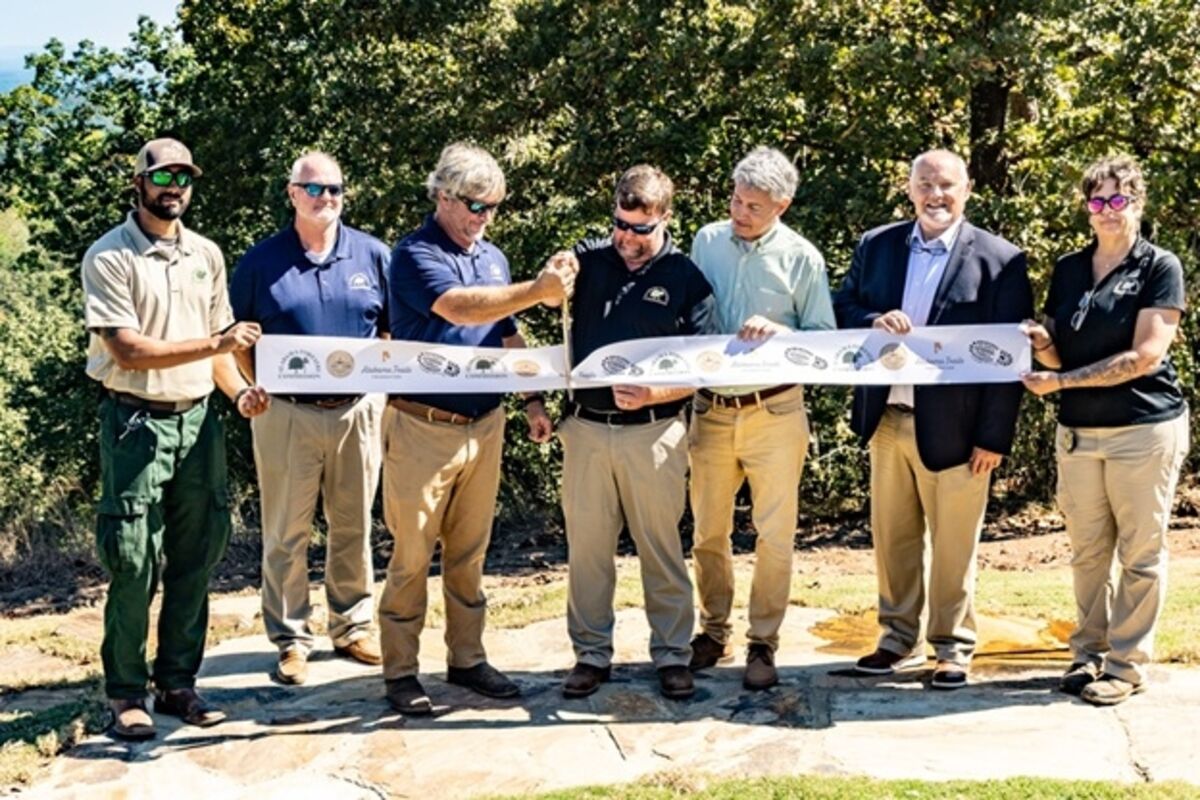
Cutting the ribbon on new water and the 0.0 marker for the Pinhoti Trail at Flagg Mountain. Pictured: Josef Greene, Shelby County Forester, Alabama Forestry Commission; Rick Oates, State Forester, Alabama Forestry Commission; John Goff, Protection Division Director, Alabama Forestry Commission; Brad Dunham, Forest Management Specialist, Alabama Forestry Commission; Paul DeMarco, President, Alabama Trails Foundation; Billy Pope, Assistant Deputy Commissioner, Alabama Dept. of Conservation and Natural Resources; Mary Thurman, Flagg Mountain Caretaker, Alabama Forestry Commission
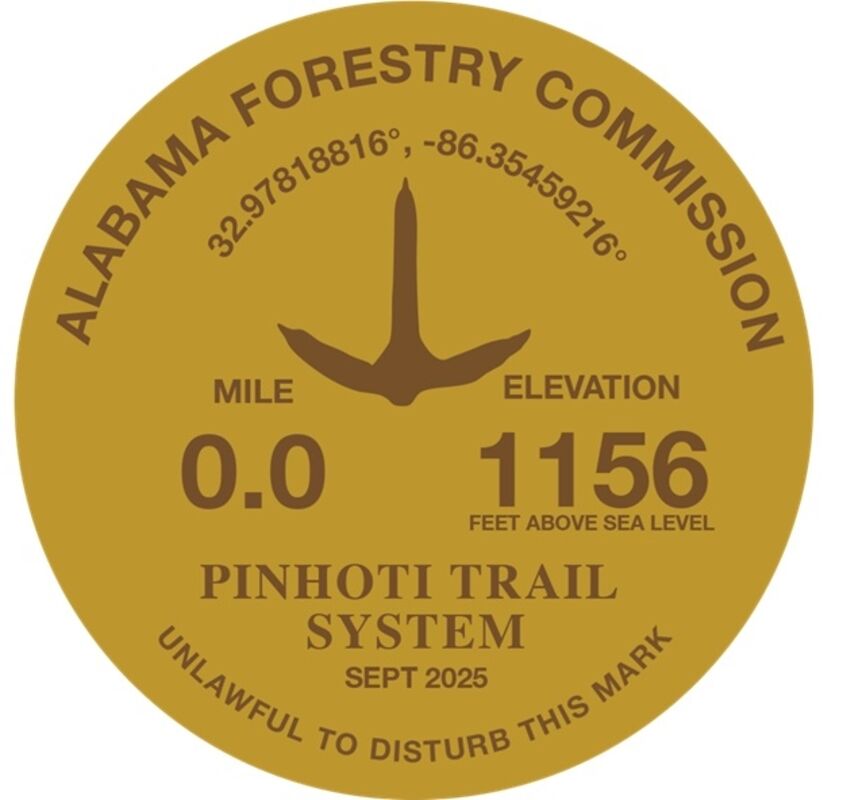
Marker signifying the starting place of the Pinhoti Trail at the foot of the Flagg Mountain Observation Tower
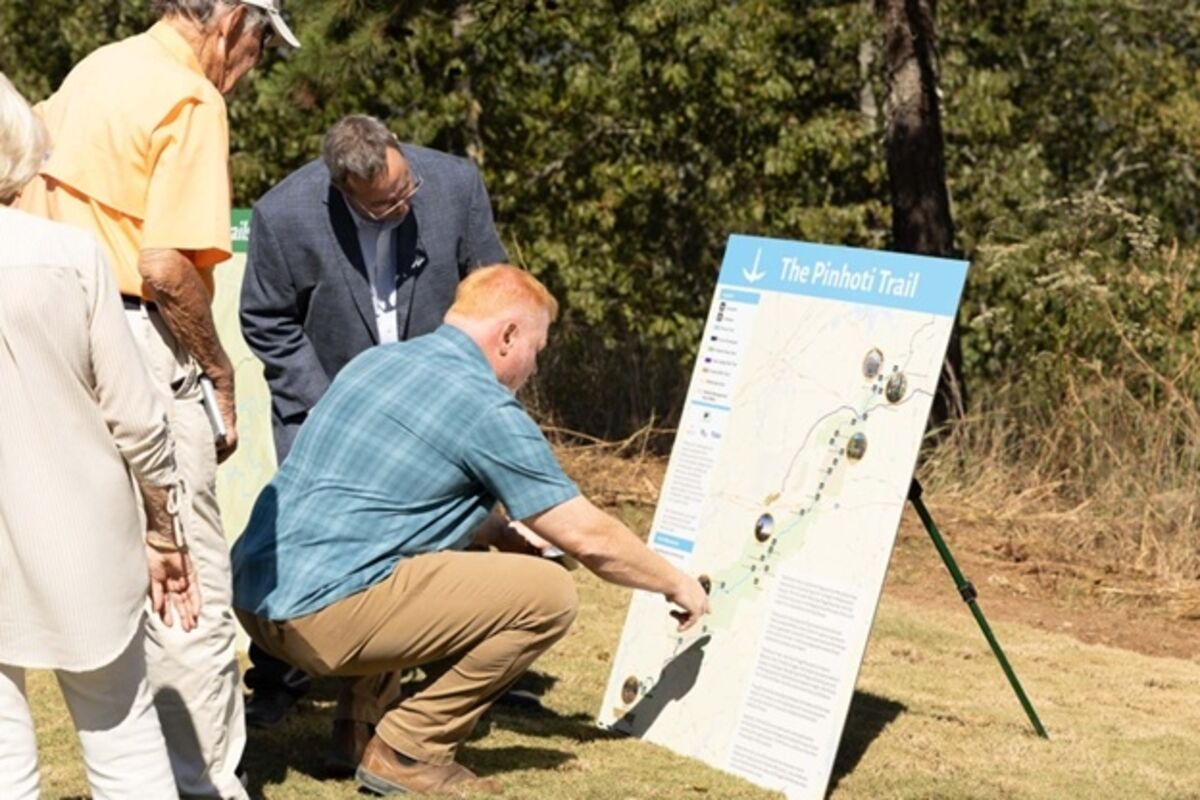
Looking at the full 170 miles of the Alabama Pinhoti Trail from atop Flagg Mountain
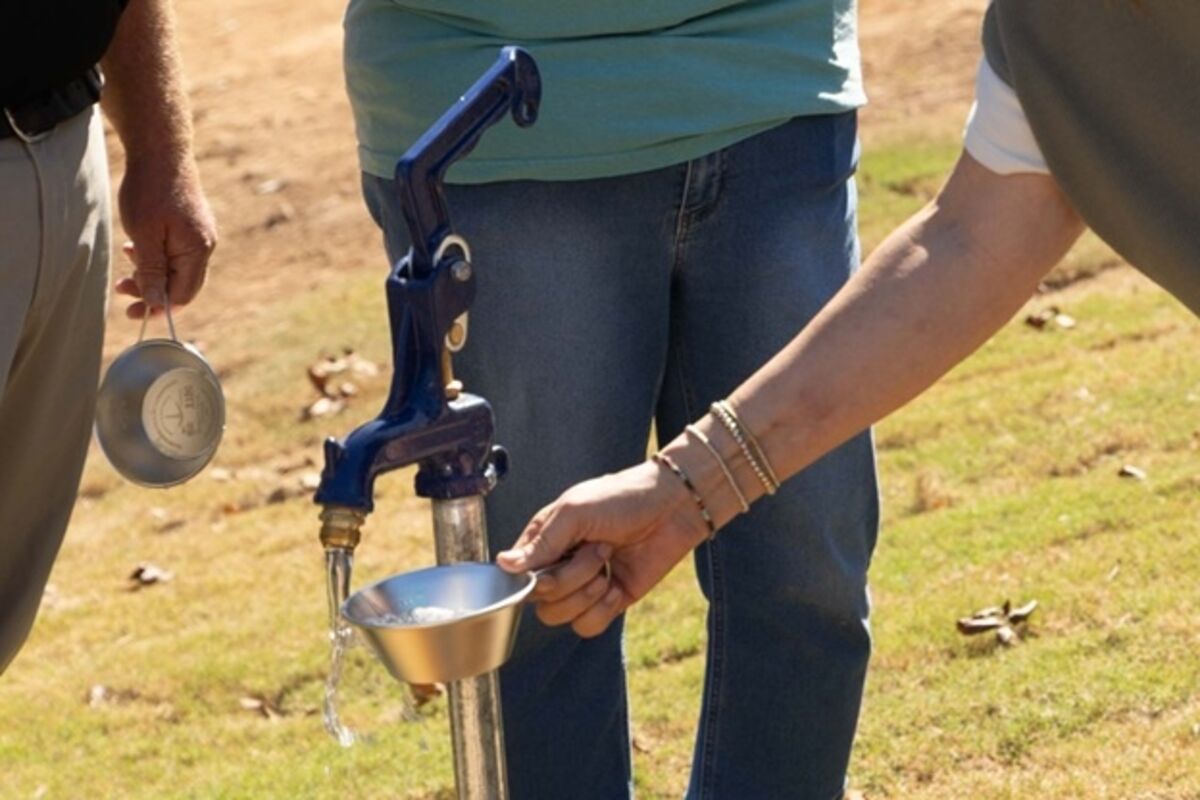
Water comes to Flagg Mountain in Coosa County
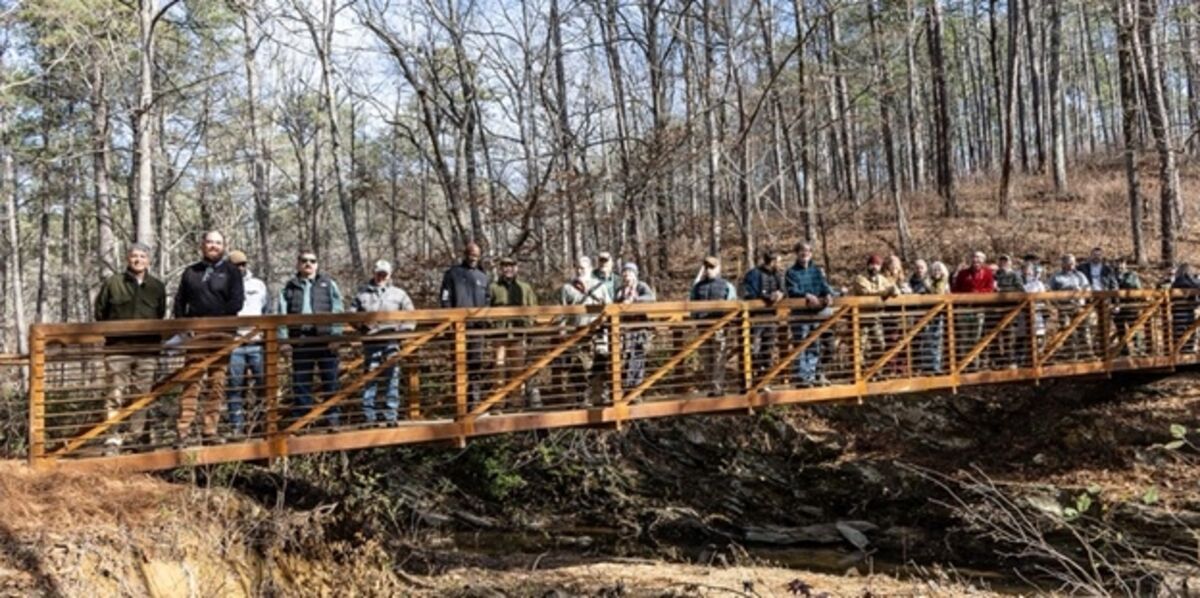
60 foot pedestrian bridge at Jogloma-Scott Lake in the Talladega National Forest
The year 2025 will be remembered as a transformative period for Alabama's outdoor landscape. Together with our partners, we worked tirelessly to elevate our state's trails to world-class status. We've crisscrossed the state promoting trails from the coast to the Tennessee state line.
As Alabama's longest footpath, the Pinhoti Trail has long been seen as a destination for hikers who enjoy a challenge. And it's why the Alabama Trails Foundation chose it as a priority project for our ongoing work. It is popular with hikers across the country, but until recently, the southern gateway to this trail has remained tucked away into the side slope of the mountain. That uncertainty is now gone. Now, the beginning of the Pinhoti is marked by the architectural wonder of the Flagg Mountain Observation Tower - a celebration of Alabama's history and endurance. Earlier this fall, the Alabama Forestry Commission and the Alabama Trails Foundation gathered along with nearly 100 guests and trail partners atop Flagg Mountain to celebrate the official opening of the southern gateway at the top of the mountain, just outside the entrance to a stone observation tower built in 1936.
The Flagg Mountain Observation Tower is one of two stone observation towers in Alabama built by the Civilian Conservation Corps-the other "sister" tower is located at Cheaha State Park, just off the Pinhoti Trail. The Flagg Mountain tower was restored to its original grandeur and reopened in 2022, helping to facilitate the trail's official move to the tower base and providing a true destination for the endpoint of a spectacular trail.
This fall's celebration included the installation of a new trail marker at the foot of the tower. At first glance, the three-inch marker embedded in concrete might seem small, but it has a significance that should not be overlooked. It is modeled after the original survey marker placed inside once the tower was finished. Like that earlier one, this new marker is meant to indicate a key point on the Earth's surface. It is intended to tell you exactly where you are:
• At the starting point of the Pinhoti Trail, atop the first one-thousand-foot mountain in the Appalachian Mountain chain.
• Standing in front of a recently restored historic observation tower built by the Civilian Conservation Corps.
• Embarking on a journey that may stretch just a few feet or more than two thousand miles. No matter the distance. You are here. In Alabama. In Coosa County. On Flagg Mountain.
On a clear day, it is possible to see for miles in every direction, giving hikers a better sense of where they are about to go, whether that journey is one mile or twenty-five hundred.

Marker signifying the starting place of the Pinhoti Trail at the foot of the Flagg Mountain Observation Tower
That marker may be a small piece of bronze, but it is no small thing. It is an anchor, letting people know where they stand, both literally and figuratively. It is important to the Alabama Trails Foundation because it is another concrete example (okay, a cast bronze example embedded in concrete), of our long-term commitment to the Pinhoti Trail, to Flagg Mountain, and to our partnership with the Alabama Forestry Commission. Hand cast by Sloss Furnaces in Birmingham, it is a special marker for an even more special place.
The work that the Alabama Forestry Commission (AFC) is doing to make Flagg Mountain the official home of the Pinhoti Trail is remarkable. Although just one mile of the Pinhoti lies within the Weogufka State Forest, it represents a critical first step, and a memorable first mile. This pride of place points the way toward the future of trails across our state. As AFC embraces their roll as the gateway to the Pinhoti and in many ways the Appalachian Mountains themselves, they are demonstrating their ability to partner and leverage state assets to improve the lives of Alabamians while fulfilling their mission.
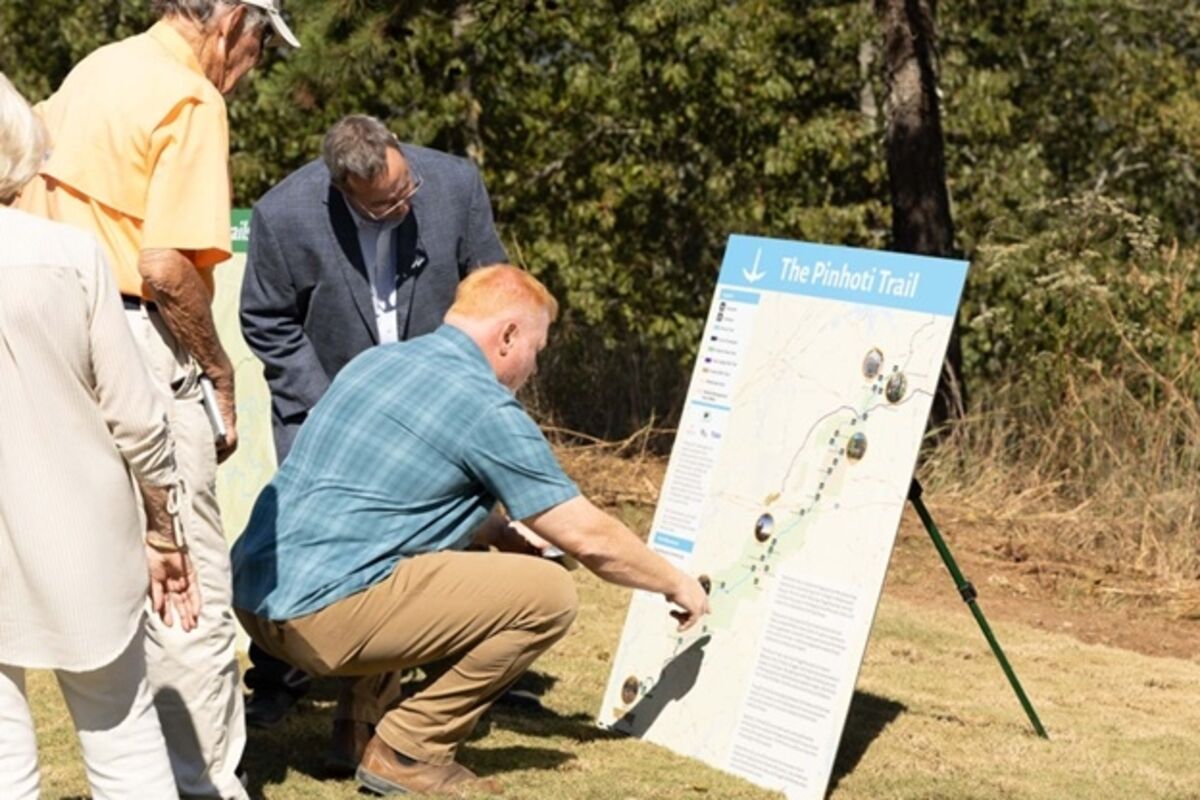
Looking at the full 170 miles of the Alabama Pinhoti Trail from atop Flagg Mountain
Whether it's partnering with ADEM and the Stewartville Water Authority to install public water to the top of the mountain or working with the Alabama Hiking Trail Society to keep the Pinhoti Trail clear of limbs and brush, the AFC is leading the way in demonstrating that Alabama's forests are a vital component in the outdoor recreation landscape. By starting at Flagg Mountain, the Pinhoti Trail hiker sees how active management of our state forests is positively impacting Alabama's natural resources and making our forests healthy and productive.
These investments are already showing results. Improvements at Flagg Mountain have more than doubled visitation since the work began, contributing over two and a half million dollars in economic impact over the past seven years. That kind of growth is meaningful anywhere in Alabama. We expect those numbers to continue rising in Coosa County, and all along the Pinhoti Trail as more people discover this special place and experience the walk for themselves.
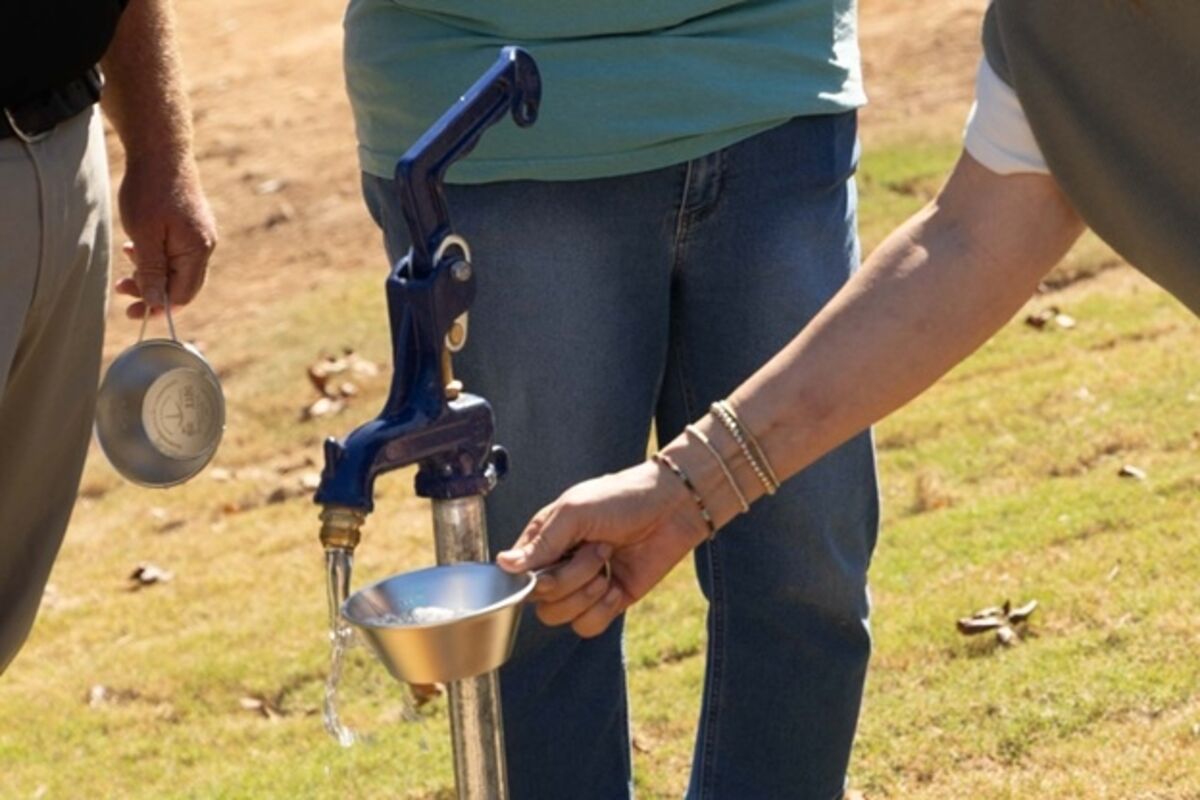
Water comes to Flagg Mountain in Coosa County
As mandated by the Alabama Legislature, the Alabama Trails Foundation works to support Alabama's trails. In places like those found along the Pinhoti Trail, we align with federal, state, and local governments to help them achieve their goals. We are at our best when working across multiple jurisdictions and large landscapes such as the Pinhoti. Partnering with the three public land stewards, USDA Forest Service, Alabama Department of Conservation and Natural Resources, and the Alabama Forestry Commission, we bring resources to help improve the Pinhoti-resources that may be outside the main scope of work of these hardworking public agencies. Couple that with working with the Alabama Department of Tourism to share the beauty and wonder of Alabama's outdoors, and you will find the secret of success for places like Flagg Mountain.
The Alabama Trails Foundation often focuses on capital improvements and policy, such as working with Alabama's Congressional Delegation to expand the Talladega National Forest and set the stage to move the last sections of the Pinhoti Trail off the road. Expanding the boundaries of the Talladega National Forest to connect to Flagg Mountain is essential to the long-term success of this iconic trail.
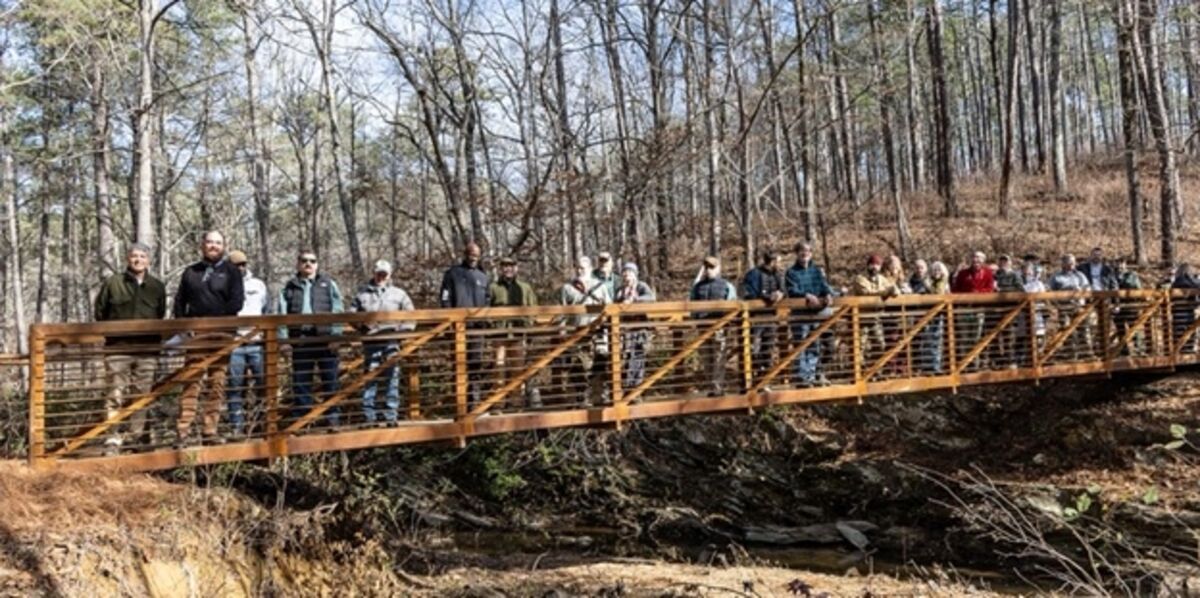
60 foot pedestrian bridge at Jogloma-Scott Lake in the Talladega National Forest
But, make no mistake, it is the volunteer maintainers that keep the Pinhoti Trail open for hikers. Without their work, there would be no trail. From cutting back overgrown brush to clearing downed trees, volunteers have carried a heavy load to keep the Pinhoti Trail alive.
It is up to all of us to appreciate, support, and advocate for these tireless volunteers and their ongoing contributions to keeping the Pinhoti Trail open. And it is also our responsibility to ensure that organizations like the Alabama Trails Foundation, along with federal and state agencies charged with protecting and promoting our natural areas, stay focused on that mission.
Like the volunteers, the agencies that oversee our trails provide critical support. The Alabama Forestry Commission's effort has given the Pinhoti more than just a trailhead sign, it has provided a meaningful connection to our state's history and to the Appalachian Mountains that stretch north from Alabama. We're glad to report that Flagg Mountain is more accessible for everyone. With the accessible trail leading to the tower and with water now on the mountain, public restrooms are finally a possibility. And, we hope, they'll be a reality in the near future.
Together, with volunteers, agencies, corporations and private donors, we are working to create a better Pinhoti Trail and a better Alabama. We are investing in trail infrastructure at important locations along the trail, such as Jogloma-Scott Lake, where we recently completed a 60-foot steel pedestrian bridge located in Alabama's Talladega National Forest, working alongside our federal partners with the USDA Forest Service . This critical infrastructure provides a safe crossing near Porter's Gap while protecting the ecosystem from unauthorized vehicle traffic.
Wherever you are in Alabama, take time to get outside and enjoy this spectacular place. I'd suggest starting from a trail.
Paul DeMarco is the President of the Alabama Trails Foundation







Reader Comments(0)