
The people's voice of reason


The people's voice of reason

Originally developed for Type 2 diabetes, glucagon-like peptide-1 (GLP-1) receptor agonists have transformed the weight-loss medication market. And in recent years, their popularity has soared due to their effectiveness and versatility.
Looking ahead to the rest of 2026, several key trends are set to redefine the GLP-1 landscape — from broadening applications to expanded access. GoodRx, a platform for medication savings, takes a closer look at what to expect.
Key takeaways:
GLP-1 receptor agonists mimic a natural gut hormone in the body called GLP-1. GLP-1 is involved in regulating blood glucose (sugar), appetite, and digestion. GIP/GLP-1 receptor agonists work in a similar way. But they mimic GLP-1 and a second hormone called glucose-dependent insulinotropic polypeptide (GIP) for added benefits.
Most GLP-1s are injectables. Two oral options, Rybelsus (semaglutide) and the Wegovy pill (semaglutide), are available. Currently, there are 11 FDA-approved GLP-1 medications:
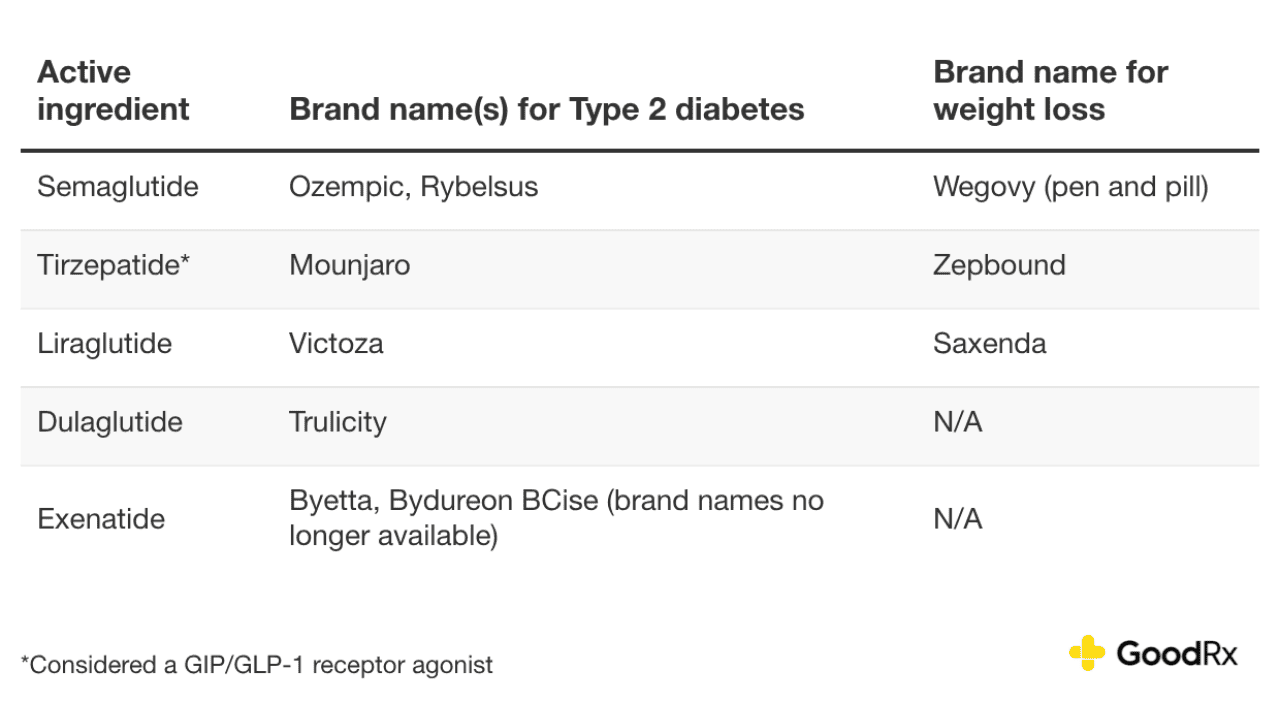
Next, read on for five GLP-1 trends to watch in 2026.
In 2026, GLP-1s are no longer viewed solely as diabetes or weight-loss medications. They’re increasingly positioned as versatile therapies with benefits for several of the body’s organs, including the kidneys, heart, liver, and more.
GLP-1s could gain approval for new uses in 2026, including:
Examples of other potential uses under investigation include treatments for polycystic ovary syndrome and substance use disorders.
New GLP-1 doses could also be approved in 2026. The highest Wegovy injection dose is currently 2.4 mg. But a higher 7.2 mg dose is being reviewed by the FDA. During clinical trials, people in the Wegovy 7.2 mg group lost almost 19% of their starting body weight. Those who stayed on treatment the whole duration lost nearly 21%.
Several promising injectable GLP-1 therapies are in development, with the potential to deliver even better results. Of these, CagriSema is the furthest along, with approval pending in 2026.
CagriSema is semaglutide paired with cagrilintide. Cagrilintide is a new, long-acting medication that acts like amylin. Amylin is a hormone that helps promote fullness after meals. The effects of semaglutide with amylin appear to be greater than either medication on its own.
In clinical trials, people in the CagriSema group lost about 20% of their starting body weight at 68 weeks (about 16 months). Those who stayed on the medication the entire trial lost about 23%.
CagriSema is also being studied for weight loss among people with Type 2 diabetes and for cardiovascular benefits among people with heart disease.
Other promising injectable GLP-1 medications advancing through clinical trials include:
Not everyone is comfortable giving themselves shots, which makes oral GLP-1 medications an appealing alternative. After launching in January 2026, the Wegovy pill quickly gained attention as a needle-free option for weight loss.
Today, oral semaglutide — sold under the brand names Wegovy, Ozempic, and Rybelsus — is the only GLP-1 receptor agonist available in oral form. But another GLP-1 pill, called orforglipron, may be approved in the second quarter of 2026.
Unlike peptide-based GLP-1s, orforglipron is a small molecule that’s made by linking together simpler chemical building blocks. This can make it easier and less expensive to produce.
During clinical trials, people taking the highest orforglipron dose lost about 11% of their starting body weight at 72 weeks (about 17 months). Another trial showed that orforglipron helped people maintain weight loss after treatment with injectable Wegovy and Zepbound.
Direct-to-consumer (DTC) models have become one of the biggest access trends for GLP-1 medications. In 2026, many people are starting or managing GLP-1 therapy outside traditional in-person visits and retail pharmacies.
Several manufacturers now offer DTC pharmacy programs that can simplify access and, in some cases, lower out-of-pocket costs. For example, NovoCare Pharmacy and LillyDirect allow eligible people to receive their GLP-1 medication shipped directly to their home. These programs often use manufacturer-sponsored discounts and cash-pay pricing that bypass traditional insurance hurdles.
Telehealth platforms have also expanded GLP-1 access by offering virtual evaluations, prescriptions, and ongoing support. These options can improve convenience and speed, and may provide similar manufacturer cash-pay pricing, giving people more ways to start and maintain treatment.
In 2026, insurance coverage for GLP-1 medications is increasingly splitting in two directions. Many plans continue to cover GLP-1s for Type 2 diabetes and certain cardiovascular uses. But coverage for weight loss alone is tightening.
In 2026, glucagon-like peptide-1 (GLP-1) receptor agonists will continue to reshape the treatment landscape for Type 2 diabetes, obesity, and beyond. Expanded uses, new injections and oral options, and direct-to-consumer access are a few trends to watch.
The future of GLP-1 insurance coverage presents a complex picture. Some insurers are limiting or dropping coverage for weight loss. But there are also efforts to expand access through Medicare and Medicaid. And a growing list of indications could also broaden coverage.
This story was produced by GoodRx and reviewed and distributed by Stacker.










Reader Comments(0)