
The people's voice of reason


The people's voice of reason
If HB363 becomes law it will become a felony to enter a house of worship with the intent of disrupting a church service as an act of protest
Rep. Greg Barnes (R-Jasper) is the sponsor of HB363
Rep. Juandalynn Givan (D-Birmingham) spoke in opposition to HB363
February 25, 2026 – MONTGOMERY, Ala. – The Alabama House of Representatives passed legislation to protect Alabama's churches, synagogues, temples, and mosques from intentional disruption by protestors.
House Bill 363 (HB363) was sponsored by State Representative Greg Barnes (R-Jasper).
"This is a religious protection bill that protects all religions: churches, synagogues and mosques," Barnes explained.
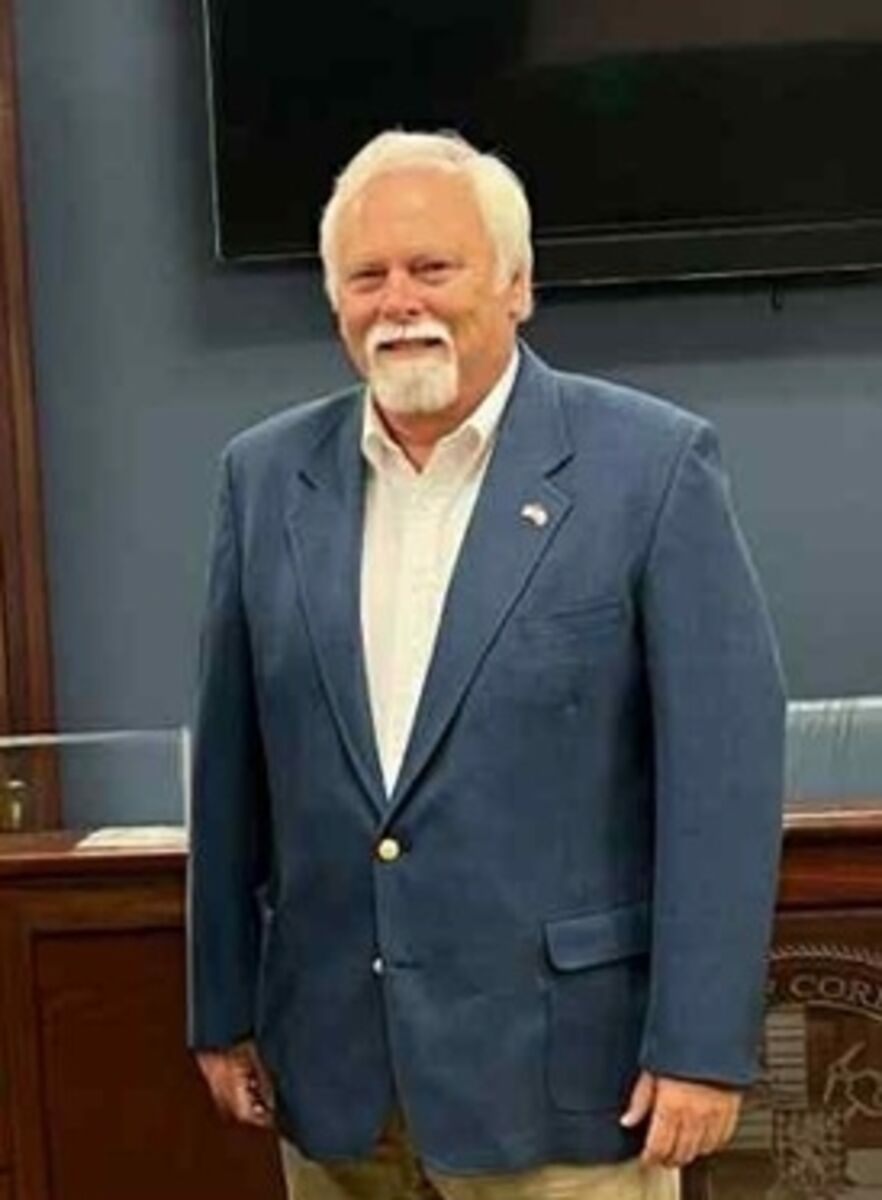
Rep. Greg Barnes (R-Jasper) is the sponsor of HB363
The bill was motivated after a shocking protest at Cities Church in St. Paul, Minnesota on place on January 18, 2026. Dozens of loud, angry leftwing protesters entered the church during a Sunday service, chanting "ICE out" and "Justice for Renee Good." The protest targeted Pastor David Easterwood, who also served as acting director of the ICE St. Paul field office. Federal charges were later brought against protesters and two journalists who were present, including Don Lemon.
Rep. Juandalynn Givan (D-Birmingham) said, "I wish you Republicans would stop watching Fox News."
"What you are saying that is if I go into a church and become disrupting that I can be arrested?" Givan said
Givan warned that if HB363 becomes law there will be "Unintended consequences."
"I saw this on Fox News, and I said then what fool is going to introduce a bill in the Alabama Legislature," said Givan. "This is a class C felony. This is clearly an attack on the First Amendment."
"I don't believe in going into Church and being disruptive," said Givan. "I can do enough damage outside."

Rep. Juandalynn Givan (D-Birmingham) spoke in opposition to HB363
Givan was concerned that journalists covering the protest could also be arrested and charged with a felony.
"This is an attack on journalists," said Givan.
"You have to go into a Church knowingly with the intent to disrupt the service," said Rep. Barnes.
Rep. Mark Gidley (R-Hokes Bluff) is a pastor.
"Isn't one of our fundamental rights the right to worship without being disrupted?" said Rep. Gidley. "This protects those people who want to worship together. It guarantees the right that no one is disrupted from their fundamental right to worship."
Rep. Laura Hall (D-Huntsville) said that she is a member of a Pentecostal Church.
Hall said that in her faith members shout, speak in tongues, and sometimes even crash into other people when moved by the spirit.
"What if I came in to your church and got happy would I be charged?" asked Hall.
"You have to go in with the intent to be disruptive," explained Barnes.
"Every church that I know of has armed members to protect them, even the Church I attend," Hall said.
"A lot of that happened with church shootings," said Barnes. "There is a lot of things cumulatively that came into this to come into one bill. This is a very narrowly focused bill."
"I have not heard of anything like this happening in Alabama," said Hall.
"We want to send a crystal-clear message that that will not be tolerated in this state," said Barnes. "This is a pre-emptive bill. To put on notice to anyone thinking about doing this."
"Don't you think we already have laws to keep this from happening?" Hall said.
"This adds a different layer," explained Barnes.
Rep. Reed Ingram (R-Montgomery) said, "This is a great bill, and it is proactive. There has got to be consequences."
The bill was amended on the floor of the House.
Barnes explained the committee amendment, "This originally had a five-year penalty for a second offense. We took that off the bill and left it as a class C also."
The amendment raising the penalties for a second offense was adopted.
Rep. Patrick Sellers (D-Birmingham) is also a pastor.
"This is a very sensitive area and I believe in definitely protecting the houses of worship; but am sensitive of the penalty," said Sellers.
Sellers said that while he is good with the intent to protect houses of worship, he had issues with the "bill's language and structure."
"It is redundant and overbroad," Sellers argued. "HB363 could kill protected speech if people speak or protest in houses of worship."
Sellers suggested that a class C felony was a "disproportionate penalty" for the offense, which would be felt long term, "including the loss of voting rights."
"Law enforcement already has the authority," to protect Church services Sellers said, suggesting that protestors could already be charged with trespass and/or disorderly conduct if they invaded a house of worship.
New Majority Leader Paul Lee (R-Dothan) came to the floor with a motion in writing to cloture debate and vote. That motion passed in a 75 to 28 vote.
Rep. Marilyn Lands (D-Madison) said, "We keep introducing bills that don't move Alabama forward. Let's really get down to do the people's work."
HB363 passed the chamber on a 74 to 27 vote, with all Republicans voting in favor and all Democrats voting against.
The bill had more 50 GOP co‑sponsors.
It establishes the crime of "disruption of a worship service." Under the bill, an individual commits the offense if they enter a church building and intentionally disrupt a service by engaging in riotous behavior, unlawful protest, disorderly conduct, or harassment of worshippers. The bill also applies to individuals who enter church property adjacent to a service with the intent to obstruct ingress or egress.
HB363 now goes to the Alabama Senate for their consideration.
To make a comment of ask a question email: brandonmreporter@gmail.com







Reader Comments(0)