
The people's voice of reason


The people's voice of reason
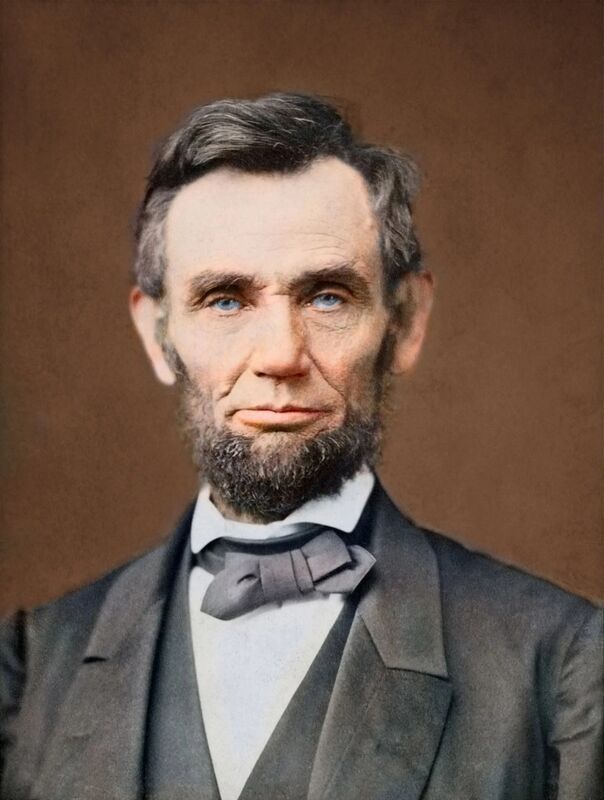
President Abraham Lincoln
In the early morning hours of April 15, 1865, the United States awoke to its darkest moment since the Civil War began. At 7:22 a.m., President Abraham Lincoln died from a gunshot wound inflicted the night before by actor John Wilkes Booth while attending a performance of Our American Cousin at Ford's Theatre in Washington, D.C. The assassination came just six days after General Robert E. Lee's surrender at Appomattox Court House, which had effectively ended four years of brutal conflict. Lincoln's death transformed national jubilation into grief and uncertainty.
After Booth fired the fatal shot, Lincoln was carried across the street to the Petersen House, where doctors worked through the night to keep him alive. Cabinet members, military officers, and family gathered as the president's breathing slowed. Secretary of War Edwin Stanton, who had taken charge of the scene, reportedly declared upon Lincoln's passing, "Now he belongs to the ages." The phrase captured the sense that Lincoln's legacy had transcended his presidency, becoming a symbol of unity and sacrifice.
The assassination was part of a broader conspiracy to destabilize the Union government. Booth, a Confederate sympathizer, believed killing Lincoln would avenge the South and reignite its cause. His co‑conspirators targeted Vice President Andrew Johnson and Secretary of State William H. Seward, though those attempts failed. Booth fled through Maryland and Virginia, but Union soldiers cornered and killed him twelve days later in a barn near Port Royal, Virginia.
Lincoln's death marked the first assassination of an American president and plunged the nation into mourning. His body was carried by train on a two‑week funeral procession from Washington to Springfield, Illinois, where he was buried. Millions lined the tracks to pay their respects. The tragedy reshaped Reconstruction before it began, leaving the task of healing a divided nation to his successor, Andrew Johnson, and ensuring that Lincoln's vision of liberty and equality would remain the moral compass of American democracy.


Reader Comments(0)